Drone Strikes Reveal Cracks in Kremlin’s Bomber Narrative
Recent operations by Ukrainian forces have thrust long-range Russian bombers into the international spotlight. While satellite imagery and video evidence from multiple independent sources indicate extensive damage across Russian airbases, Kremlin spokespeople maintain that no aircraft have been lost, only impaired and subsequently repairable. This discrepancy has raised questions not only about the veracity of official statements but also about the evolving tactics in modern conflict.
On a crisp morning that seemed to belie the tumult of war, Ukrainian forces launched an intricate drone operation—codenamed “Pavutyna”—aimed squarely at Russia’s strategic bomber fleet. Ukrainian defense officials claim the strikes hit 41 key aircraft, including venerable models such as the Tu-95MS and the Tu-22M3. In contrast, high-resolution images circulated on Defence Blog and corroborated by satellite surveillance reveal what many analysts described as “severe destruction” at several airbases long associated with the Russian strategic strike force.
The operation marks a significant moment in the conflict’s history. Drone warfare, a method initially relegated to surveillance and minor strikes, has been honed by Ukrainian forces into a tool capable of symbolic and strategic disruption. For decades, Russia’s long-range bombers have underpinned a critical component of its national defensive and nuclear deterrence strategy. Now, these aircraft—the workhorses of a Russian legacy that stretches back to the Cold War—are being challenged on the modern battlefield.
The Russian government has been quick to issue statements downplaying the reported losses. Officials assert that despite the apparent damage, repair crews are already set to work, seeking to restore full operational status to the misfired bombers. This narrative suggests resilience and continuity rather than the catastrophic depletion of a strategic asset class. Yet, the insistence that no bombers have been “destroyed” contrasts sharply with video evidence and intelligent analysis gathered by independent defense experts and international news services.
Background and context furnish a critical perspective on these events. For years, the strategic bomber fleet has symbolized Russia’s enduring emphasis on long-range capabilities—a hallmark of military strategy formulated during the latter half of the 20th century. In recent operations, Ukraine’s increasingly sophisticated tactical use of unmanned aerial vehicles (UAVs) has allowed it to exploit vulnerabilities in a military system assumed to be impervious or, at best, capable of withstanding minor skirmishes. Such developments force a reevaluation of both operational doctrines and long-standing assumptions about airbase security.
Multiple facets of this unfolding narrative demand scrutiny. First, the difference between “damage” and “destruction” is not merely semantic; it carries substantial strategic weight. Russian officials may prefer the term “damage” to underscore the notion that any compromised aircraft can be returned to service. However, for experts analyzing satellite data and on-the-ground reports, extensive structural impairment—even if technically reversible—poses a serious challenge to timely operational readiness, especially when compounded by potential downtime and resource diversion for repairs.
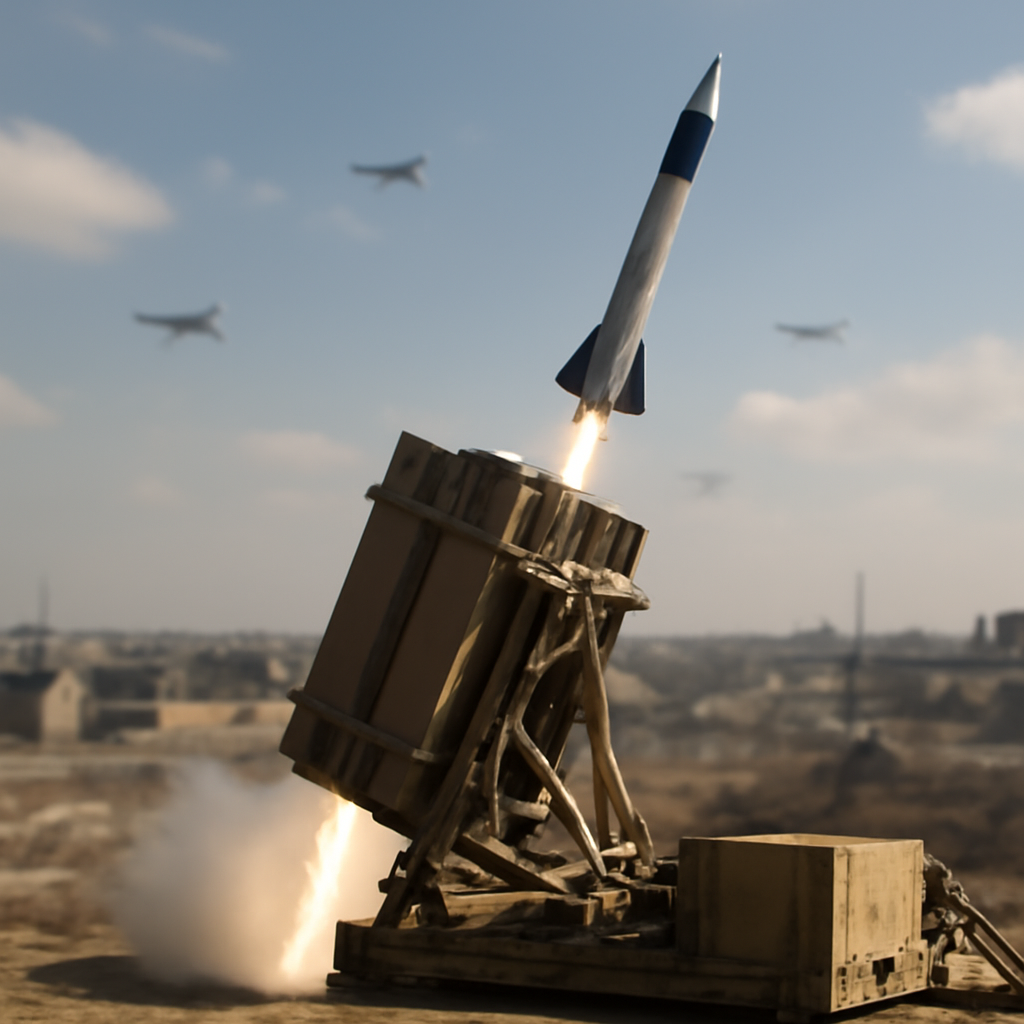
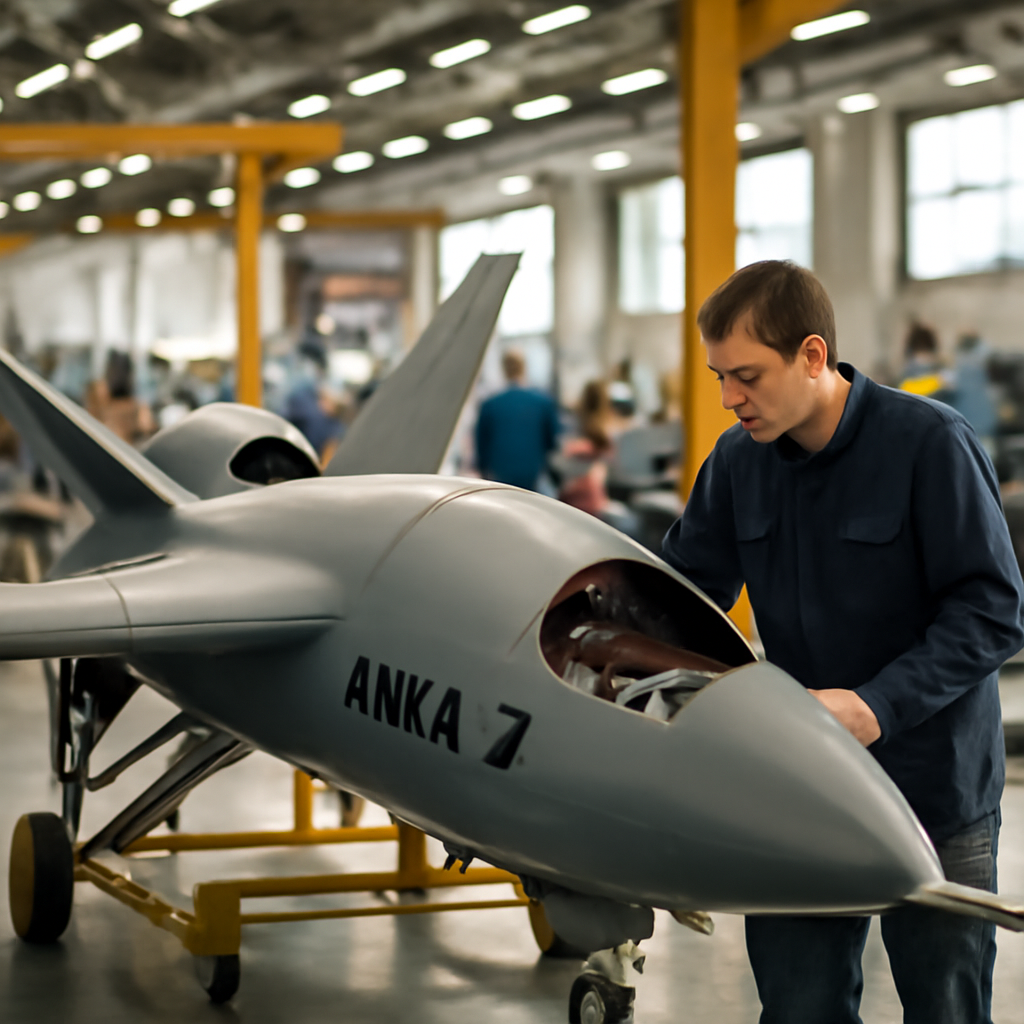
Notably, this operation underscores the shift in modern warfare toward asymmetric tactics. While traditional air power battles have historically employed fighter jets and extensive munitions, the ability to precisely target and incapacitate high-value assets using relatively inexpensive drones marks a disruptive innovation in military strategy. This evolution is perhaps most evident in the contrast between the old guard—epitomized by the majestic Tu-95MS—and the nimble, cost-effective weaponry used by Ukrainian forces.
For international observers, the incident raises critical questions about the reliability of state-reported figures during conflict. Independent verification has become a cornerstone of responsible journalism and strategic analysis, particularly in a time when information plays as significant a role as physical weaponry in the battlefield. With the Ukrainian Ministry of Defense and independent satellite monitoring firms providing clear evidence of severe destruction, the Kremlin’s narrative appears increasingly at odds with observable facts. Yet, such disparities are not new in wartime reporting; historical instances remind us that official statements often serve as both reassurance to domestic audiences and an ideological shield against external criticism.
Beyond the immediate tactical implications, the exercise has strategic resonance. Russia’s long-range bombers have long been a part of its nuclear posture. Even the suggestion that these aircraft have been severely impaired raises questions about potential shifts in deterrence strategies. Analysts at Reuters and the International Institute for Strategic Studies have noted that while no immediate vulnerabilities in Russia’s nuclear deterrence have been confirmed, the incident underscores the vulnerability of even the most storied elements of a military arsenal.
Experts in military strategy and energy security have weighed in on the broader impacts of these events. While the full operational implications remain to be seen, the potential for a recalibrated approach to airbase defense and even the maintenance regimes of strategic bombers cannot be understated. For instance, seasoned defense analyst Michael Kofman of the Conflict Studies Research Center has remarked in past briefings that “any significant downtime for strategic bombers could lead to a cascading effect on overall military readiness.” Even when repair is feasible, the process itself compels a reassessment of contingency planning, supply chain logistics for advanced components, and the morale of maintenance crews tasked with restoring the flying services to full capacity.
Looking ahead, several scenarios emerge. In the short term, we may see an intensified effort by Ukrainian forces to target logistical hubs and repair depots associated with critical infrastructure in Russian military airbases. Such moves could further delay recovery and force a reallocation of Russian resources. Simultaneously, the Kremlin is likely to double down on public relations and technical reconfigurations to reassure both domestic and international stakeholders that its strategic deterrence remains intact.
In the broader geopolitical context, the interplay between asymmetric threats and conventional military capabilities is reshaping the dynamics of modern warfare. This particular episode is emblematic of how emerging technologies—drones in this instance—are not only challenging established military doctrines but also complicating the narratives presented by states engaged in high-stakes information warfare. The diverging interpretations between visible damage and official line call for a more nuanced understanding of what constitutes a “hit” in today’s technologically complex battlefields.
For stakeholders ranging from defense policymakers to independent security analysts, the implications are clear:
- Operational Readiness: Even if repairable, the loss of immediate combat capability disrupts strategic timing and deployment schedules.
- Strategic Messaging: The Kremlin’s insistence on downplaying the losses could be an attempt to deter escalation and maintain confidence among domestic constituents, yet it risks eroding international credibility if independently verifiable evidence contradicts official statements.
- Technological Impact: The effective use of drones against high-value targets illustrates a paradigm shift, where lower-cost systems are capable of imposing disproportionate challenges on advanced military hardware.
- Security and Deterrence: The overall security environment becomes more volatile when traditional power structures are questioned by emerging tactics that exploit vulnerabilities in established military systems.
As we watch developments unfold, the essential takeaway is that modern conflict extends well beyond conventional battle lines. The interplay of advanced technology, strategic deception, and the human element creates a chessboard where every move is rife with multifaceted consequences.
In retrospect, the events of “Pavutyna” are not simply about damaged metal or bureaucratic spin. They represent a critical inflection point in military tactics—a signal that in today’s age of digital warfare, narratives and facts can diverge sharply. The Kremlin’s narrative of “damage, not destruction,” is a reminder that in the fog of war, the language of power is often as finely tuned as the weapons deployed.
Ultimately, the enduring question remains: In a world where truth is contested on multiple fronts—from satellite images to official press releases—how will states recalibrate their strategies to effectively respond to both the physical and informational challenges of modern warfare?