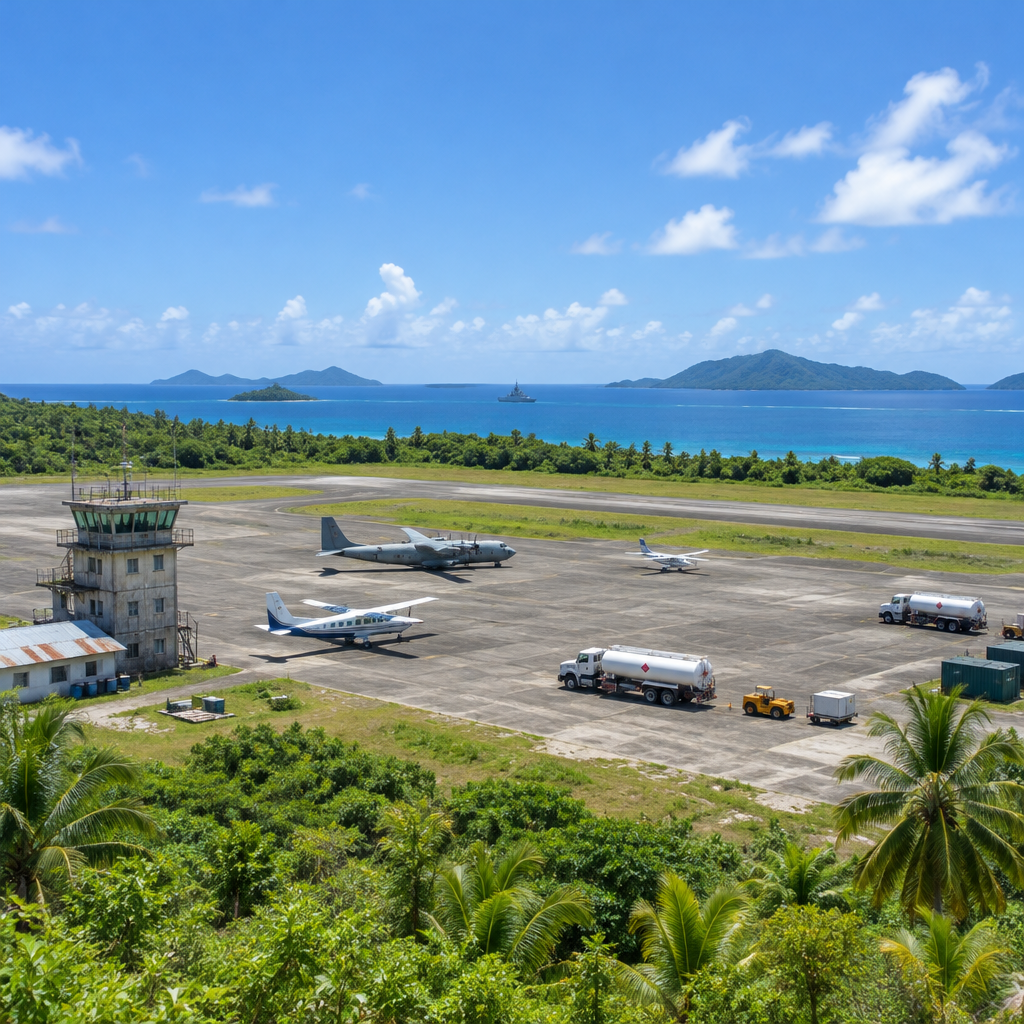
“Ascension’s Wideawake airfield, staffed for just three aircraft movements a week, had to be turned within three weeks into a base for more than 800 personnel and up to 32 aircraft.”
Why Japan, Australia and the United States are being asked to build an air bridge
The proposal set out in the article is straightforward: “Japan and Australia, with the United States and other partners, should build an air bridge between them in peacetime.” That air bridge would be a set of regular air corridors with settled overflight and landing rights, refuelling routes and dispersed supply and maintenance sites. Its advocates link the need to a changing operational picture in the Pacific: China’s “lengthening naval reach” is pushing Japan to plan defences along the second island chain — the line of islands running from Japan’s home islands through Guam to Palau and New Guinea — because China already has a “well-established ability to deny an enemy use of surface ships on the waters inside the first island chain.”
How a peacetime air bridge would be built and hardened
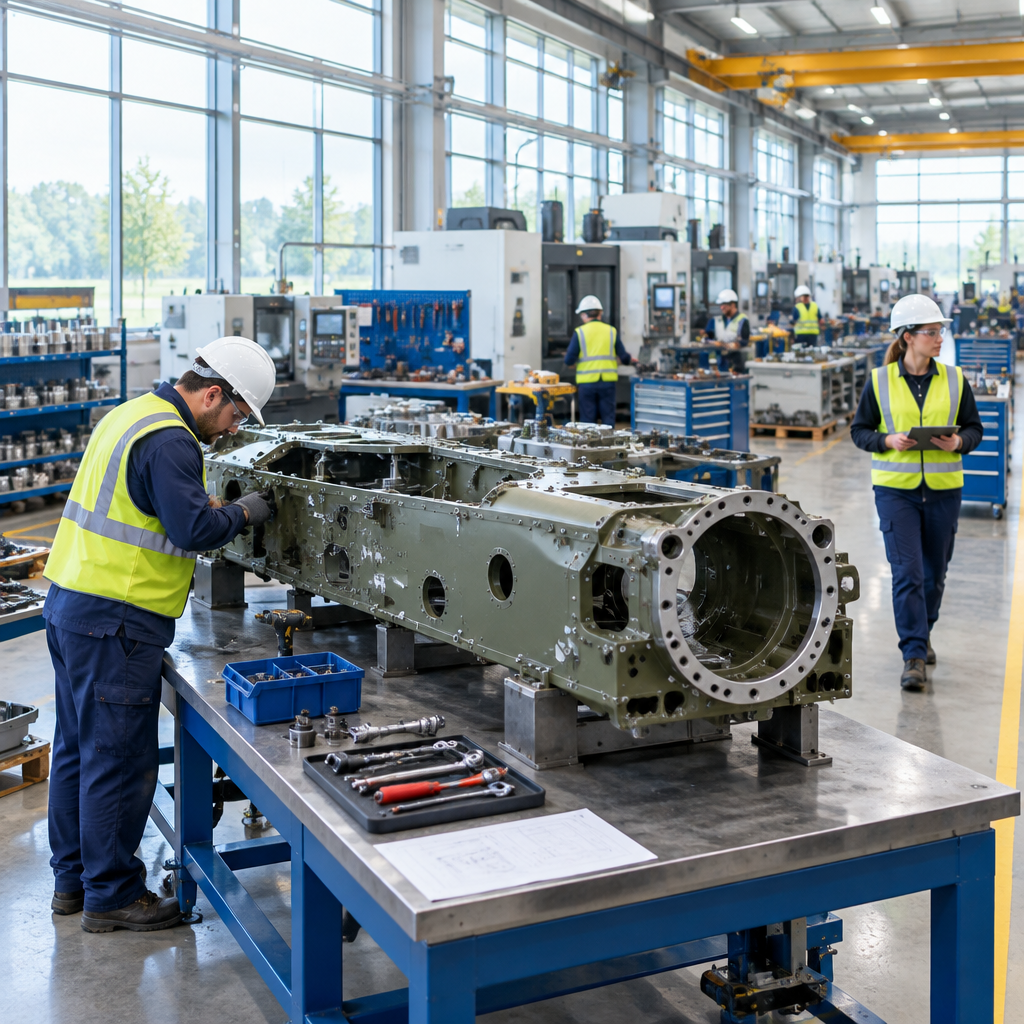
In practice the air bridge would be constructed through repeated, routine movements that settle legal and operational details well before a crisis. Frequent aircraft traffic would institutionalise overflight permissions, airspace clearances, refuelling patterns and host-nation procedures; aircraft would carry supplies and essential support equipment to be stored along the route, including on islands. The article notes Japan, Australia and the United States already have logistics agreements with storage provisions, allowing each to keep stocks in the others’ territory, including islands.

Audit-ready is a season. It shouldn't be.
Evidence in spreadsheets, controls drifting between audits, frameworks multiplying on flat headcount. Nubivance runs continuous compliance on Rapid7 Cyber GRC - SOC 2, HIPAA, ISO 27001, PCI, CMMC.
End the scrambleWhat the air bridge is intended to do in a crisis
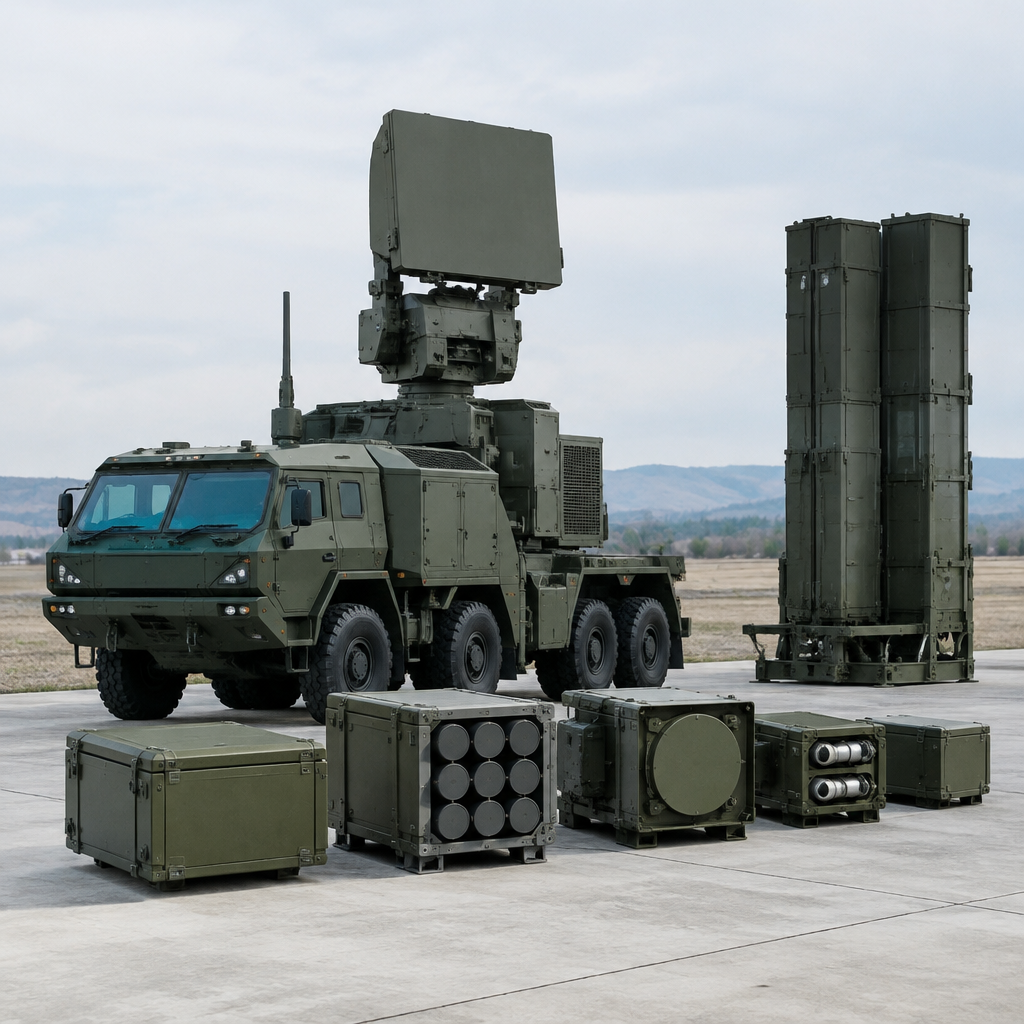
The article describes a crisis role that is concrete and logistical: the air bridge would carry supplies to dispersed forces along the second island chain and sustain forward defences. That would include precision-guided munitions, spare parts and components, maintenance tools, critical medical supplies including blood products, and portable desalination units. The case made is that once forces move inside the reach of China’s sea-denial capability — “the second chain lies within the range at which, according to the Pentagon, Chinese strikes would probably be effective against US intervention” — surface lines of communication would be contested and air sustainment would be a critical lifeline.
Exercise Southern Cross, the trilateral logistics body and the Ascension precedent
The article cites recent practical steps. “Six Japanese Lockheed Martin F-35As and two air-surveillance radar aircraft flew to Australia for Exercise Southern Cross in July, refuelled in the air by Japanese and Australian tankers.” On the ground, maintainers from Japan, Australia and the United States “inspected, refuelled and rearmed the F-35As,” and in July the three countries’ air forces formalised that work through a new trilateral air logistics body. Those routines, the article argues, are the beginnings of an air bridge because they standardise the operational cooperation needed in peacetime.
To underline the operational risk and the need to practise surges, the article points to Britain’s experience in 1982: Ascension Island’s Wideawake airfield went from a facility handling three aircraft movements a week to a forward base hosting more than 800 personnel and up to 32 aircraft within three weeks. That example is invoked as a cautionary lesson: improvisation under crisis is costly and fragile; steady peacetime flows create standing capability.
Australia’s Project Camel Train and uncrewed resupply options
The proposal also envisions unmanned logistics as part of the solution. Australia’s Project Camel Train is trialling autonomous cargo aircraft “under a concept that ranges from short-range precision delivery to longer-range transportation of heavier loads along dedicated corridors.” The article suggests that extended over water, such systems “could resupply dispersed sites from northern Australia through Southeast Asia, Pacific island states, US territories and Japan’s remote islands without risking crews,” thereby sustaining parts of the air bridge while reducing personnel exposure.
What this means for Japan, Australia, and the United States
- Japan: build and position stocks and surveillance sites — the defence ministry has already set up an office to plan Pacific defences, plans surveys for a radar on Chichi Jima, included a surveillance site on Kita-Daito Jima in its 2027 budget request, and is studying cargo-handling facilities on Iwo Jima.
- Australia: continue experimentation with Project Camel Train and host routine peacetime air movements that can seed dispersed supply points along routes toward the second chain.
- The United States: participate in trilateral logistics arrangements and exercises that formalise maintenance, refuelling and rearming procedures — the article notes the trilateral air logistics body created after Exercise Southern Cross.
The article’s core argument is operational: make the air bridge in peacetime so it need not be improvised in conflict. The concrete next step it points to is clear — sustain a “strong and steady peacetime flow of aircraft between Japan and Australia” to settle legal, technical and logistical arrangements, build stocks along the route, and practise surge operations before they are urgently needed. The original piece is here: https://www.aspistrategist.org.au/japan-australia-us-should-build-a-second-island-chain-air-bridge/