Japan’s New Mobile Defense Moves: A Strategic Shift for Remote Island Protection
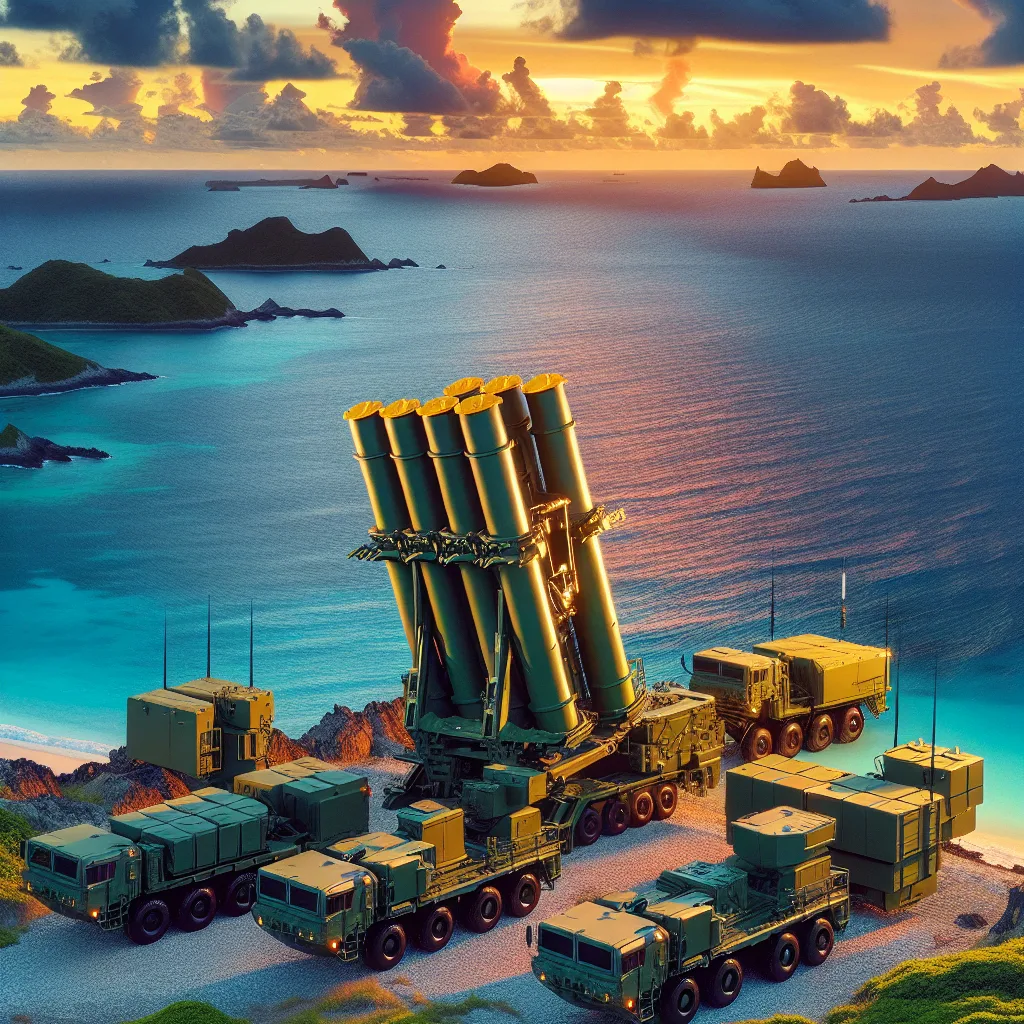
In a demonstrative move that underscores Japan’s strategic recalibration, Defense Minister Gen Nakatani recently inspected state-of-the-art mobile defense systems at the Japan Ground Self-Defense Force (JGSDF) Fuji Garrison in Shizuoka Prefecture. The unveiling of a new missile launcher and vehicle-mounted 120mm mortars, destined to bolster the defense of Japan’s southwestern islands, marks a pivotal moment in the nation’s defense posture—one that reflects broader regional security concerns and an evolving military doctrine.
During a carefully orchestrated visit that drew attention from both national and international observers, Minister Nakatani underscored the need for rapid mobility and agile defensive capabilities to secure secluded islands against potential threats. The equipment, revealed to the public for the first time, symbolizes Japan’s commitment to a multi-layered defense strategy in an increasingly complex security environment in Asia.
Historically, Japan’s defense policies have been shaped by the post-World War II pacifist constitution and a reliance on a limited, self-defense oriented military posture. However, over the past two decades, a gradual shift has been noticeable. Factors contributing to this transition include an evolving threat landscape in the East Asian region, where rising assertiveness from neighboring adversaries and unpredictable geopolitical shifts have spurred the nation to modernize its military capabilities. The deployment of mobile defense systems is a tangible step towards enhancing the flexibility and responsiveness of Japan’s forces.
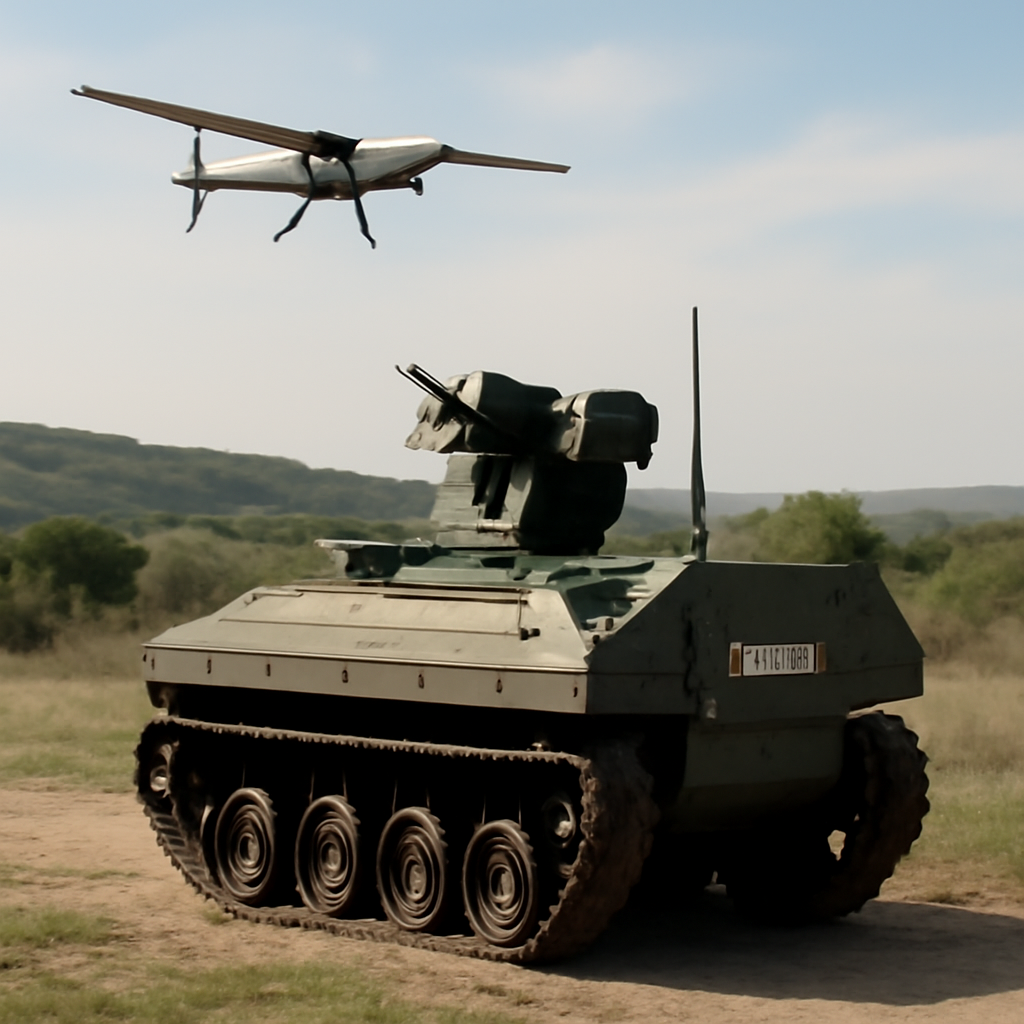
At the JGSDF Fuji Garrison, the focus was not only on showcasing innovative military technology but also on testing the operator readiness of these systems in geographically challenging environments. The mobile missile launcher and vehicle-mounted mortars are tailored for rapid deployment and are designed to overcome the logistical challenges of remote island defense—a necessity given Japan’s extensive network of islands, many of which serve as first lines of defense against regional incursions.
According to official statements from the Ministry of Defense and corroborated by public briefings from the JGSDF, the new equipment is expected to fill critical gaps in Japan’s current defense architecture. The southwestern islands, situated in a region witnessing intensified military activity and increased surveillance by foreign powers, now have a robust mobile defense option that can be repositioned swiftly in response to emerging threats.
This strategic enhancement aligns with broader national security reforms. In recent years, Japan has made several key policy shifts in order to better integrate advanced technologies and respond faster to potential security breaches that could compromise strategic outposts. The current deployment represents not only a modernization effort but also an acknowledgment of the changing dynamics in regional security architecture—one where flexibility and rapid response are of paramount importance.
Observers and defense analysts note that Japan’s move to unveil and deploy mobile firepower for island defense is reflective of a broader trend among nations seeking to adapt to new forms of hybrid and asymmetric warfare. As military operations around the world become more agile and technology-dependent, traditional fixed installations are increasingly giving way to mobile, rapidly deployable platforms that can adjust to both conventional and unconventional threats.
Experts in defense technology note several critical advantages of the new systems:
- Flexibility in Deployment: Mobile systems allow forces to quickly reposition in response to real-time intelligence, offering a tactical advantage in covert and overt operations.
- Enhanced Survivability: The ability to relocate minimizes the risk of destruction from targeted strikes, making it more difficult for adversaries to predict and counter Japan’s defense strategy.
- Integrated Force Multipliers: When combined with global surveillance and communications networks, these mobile units can create responsive, networked defense grids that ensure sustained operational readiness.
From a military perspective, the shift is significant. Local commanders tasked with the defense of these remote outposts now have unprecedented operational autonomy. The integration of such advanced mobile platforms is expected to dovetail with other modernization programs underway within Japan’s self-defense forces, including network-centric warfare capabilities and enhanced cyber-defense measures.
Yet, the decision to unveil and deploy these systems is not without controversy. Critics of Japan’s gradual militarization argue that such moves could further destabilize an already volatile region. Policy analysts such as those at the East Asia Security Initiative at the Council on Foreign Relations emphasize that while the equipment is defensive in nature, its deployment must be carefully calibrated to avoid escalating regional tensions.
Despite such criticisms, the consensus among strategic analysts is that Japan’s investments in mobile defense solutions are driven by practical security imperatives. As geopolitical realities tighten, nations in East Asia are compelled to reimagine the contours of national defense. For Japan, embracing mobile firepower along with advanced technological integrations is seen as a logical step to counter both conventional military threats and the subtler challenges of asymmetric warfare.
It is also important to recognize the internal political dynamic influencing such defense policy decisions. Domestic support for enhanced self-defense capabilities has grown in response to unpredictable regional developments. In the wake of heightened tensions in neighboring waters and frequent incursions into disputed territories, the Japanese government faces increasing pressure to safeguard the nation’s peripheries. The introduction of these mobile systems can be seen as a response to both external strategic imperatives and internal public sentiment, which favors a robust self-defense regime.
Defense Minister Gen Nakatani’s public inspection of the equipment not only served as an operational review but also as a signal to potential adversaries. By demonstrating the capability to rapidly deploy world-class defense systems, Japan is sending a message that its remote islands are not as vulnerable as once presumed. The imagery of a missile launcher and mortars mounted on mobile platforms traversing rugged terrain invokes both the heritage of Japan’s defensive resolve and its willingness to modernize in step with contemporary threats.
As Japan continues along this transformative path, the strategic implications extend beyond national borders. The deployment of advanced, mobile firepower may stimulate further defense spending and recalibration of readiness not only within Japan but also among its regional allies, including the United States and Australia, who have long looked upon Japan as an essential bulwark against destabilizing regional forces. This evolving dynamic will likely influence broader security calculations in the Indo-Pacific, where defense postures are in a state of constant evolution.
Looking ahead, several trends warrant close surveillance. First, the integration of these mobile defense systems into Japan’s broader network-centric operations may pave the way for enhanced interoperability with allied forces. Secondly, the operational tests conducted at facilities like the JGSDF Fuji Garrison will determine how effectively these strategies translate to real-world defense scenarios—particularly in a rapidly shifting maritime environment. Finally, the broader international community must watch for any recalibration of defense policies by regional powers in response to Japan’s visible modernizations, as such moves might alter the balance of power in East Asia.
In the final analysis, Japan’s unveiling of its mobile defense arsenal for island protection is emblematic of a nation at a crossroads—balancing tradition with rapid modernization, and caution with the imperatives of self-defense. It remains to be seen how this new strategic posture will influence both regional security and international defense alignments in the years to come. As the defense landscape becomes ever more intricate, one must ask: can a nation so steeped in its historic pacifism successfully transition to a dynamic, modern frontier of defense without igniting unforeseen geopolitical repercussions?
While the strategic calculus may be complex and the stakes exceedingly high, Japan’s commitment to protecting its periphery reflects a broader universal truth: in the realm of international security, preparedness and adaptability remain a nation’s staunchest allies.