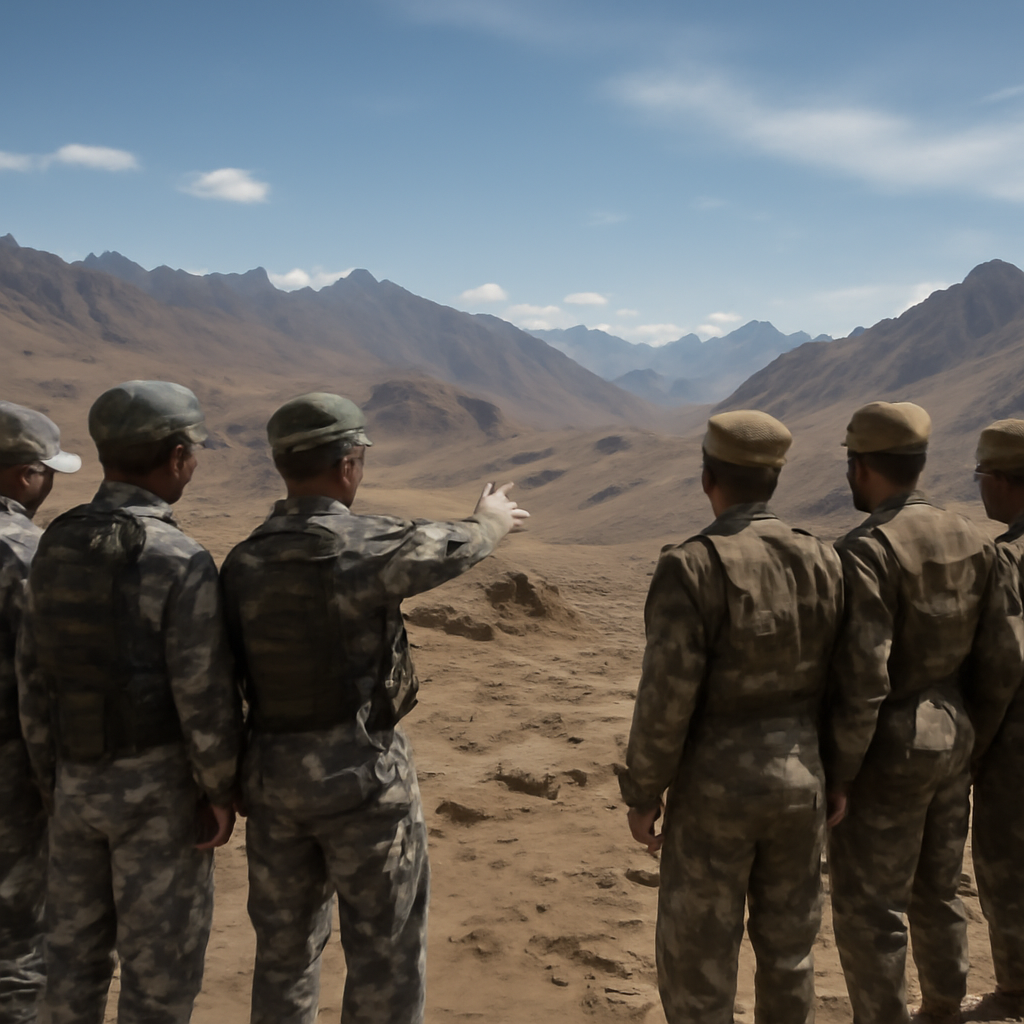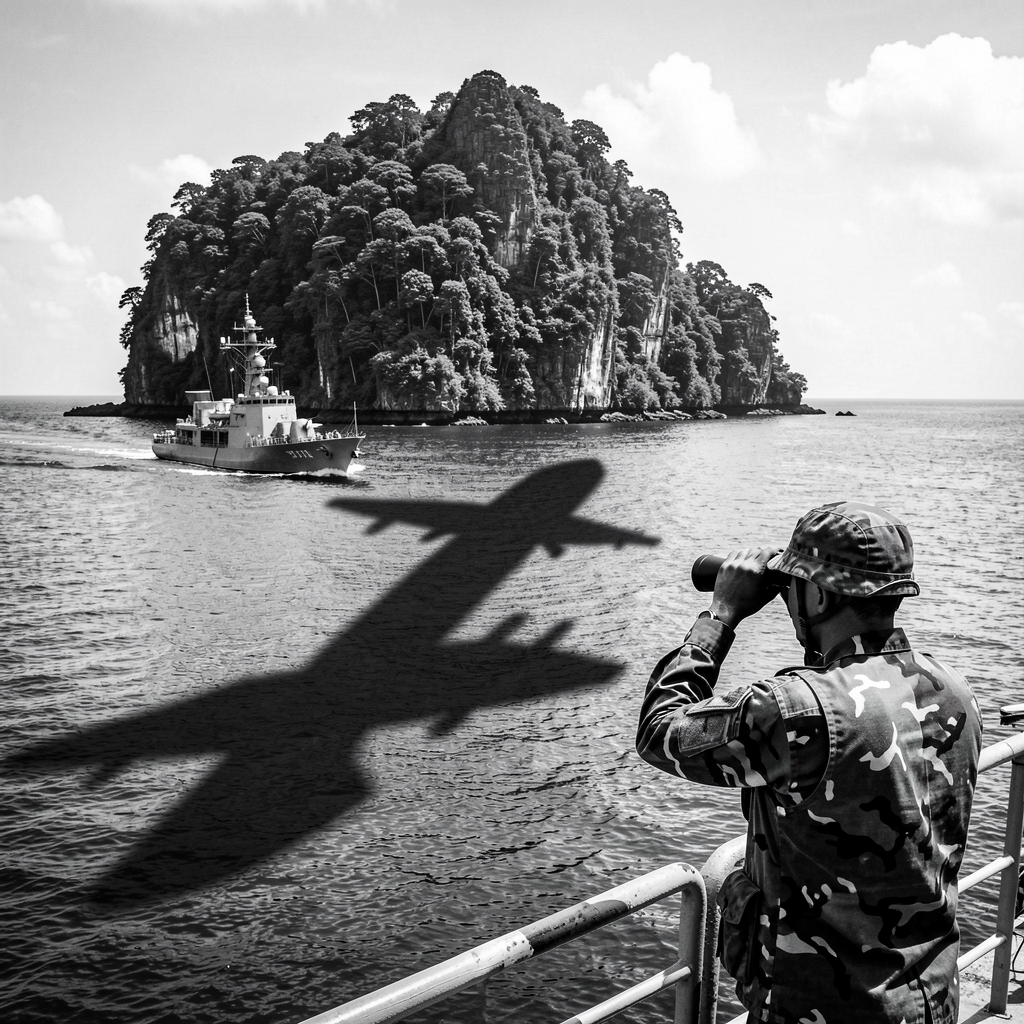
What does it mean when a country that has long limited the overseas deployment of its armed forces dispatches combat units to a trilateral exercise with the Philippines and the United States for the first time? That question now sits at the center of a decision that the reporting calls “a historic shift” in Japan’s security engagement with Southeast Asia — and with Manila specifically.
The development
Japan will send combat units to the Philippines–U.S. Balikatan exercises for the first time. Observers describe the move as a historic change in Tokyo’s security posture toward Southeast Asia and toward the Philippines in particular.
Context and immediate meaning
On its face, the decision changes the composition of a longstanding regional exercise by introducing Japanese combat forces into the combined training environment with U.S. and Philippine forces. That factual change is notable because it is the first time Japan has been reported to take that specific step within the Balikatan framework.

This site is the portfolio.
OSINTSights runs on Cloudflare Workers, D1, R2, and Vectorize, with an AI pipeline on Hetzner ARM. Nubivance designed, built, and operates it. We do the same for clients.
See what we buildWhy this matters
- Strategic signaling: The deployment of combat units to a trilateral exercise is a signal in diplomatic and security terms — a visible adjustment in how one government chooses to project its military capabilities alongside partners in the region.
- Regional engagement: The reporting identifies the move as a historic shift in Japan’s security engagement with Southeast Asia and with the Philippines, suggesting a possible recalibration of Tokyo’s regional role.
- Operational implications: Including combat units in multinational exercises can change training objectives, command relationships, and interoperability demands — all matters that militaries and planners track closely when partners alter who participates and in what capacity.
Perspectives to watch
- Policymakers: Officials and strategists will likely assess whether this step represents a one-off adjustment tied to specific circumstances or the beginning of a broader pattern in defense cooperation.
- Military planners and technologists: Forces and defense industry actors will be attentive to how the introduction of a new country’s combat units affects interoperability, communications, rules of engagement, and the technical integration of systems during exercises.
- Civilian audiences and regional capitals: Citizens, partner governments, and neighbors will interpret the move through their own security lenses, weighing its implications for stability, deterrence, and diplomatic relations.
- Potential adversaries: Any actor monitoring shifts in coalition training and capabilities will factor this reported change into assessments of operational readiness and alliance cohesion.
The decision to send combat units to Balikatan marks a concise, reportable fact — and the framing of it as historic underscores its symbolic weight. Whether it proves to be an isolated evolution in training or the opening of a larger strategic chapter will be decided in the months and years ahead. In the meantime, the choice forces a straightforward question: how will partners and rivals alike interpret a single, visible change in who trains with whom?