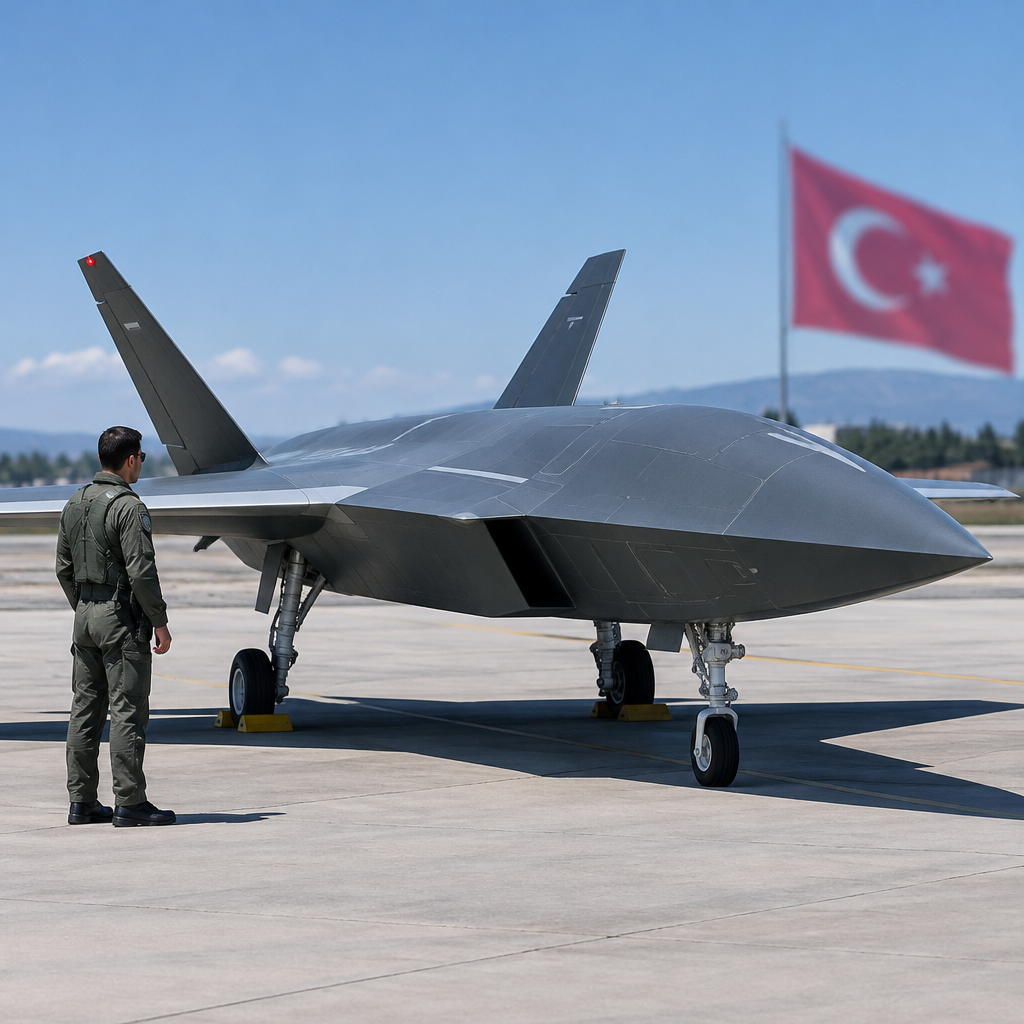
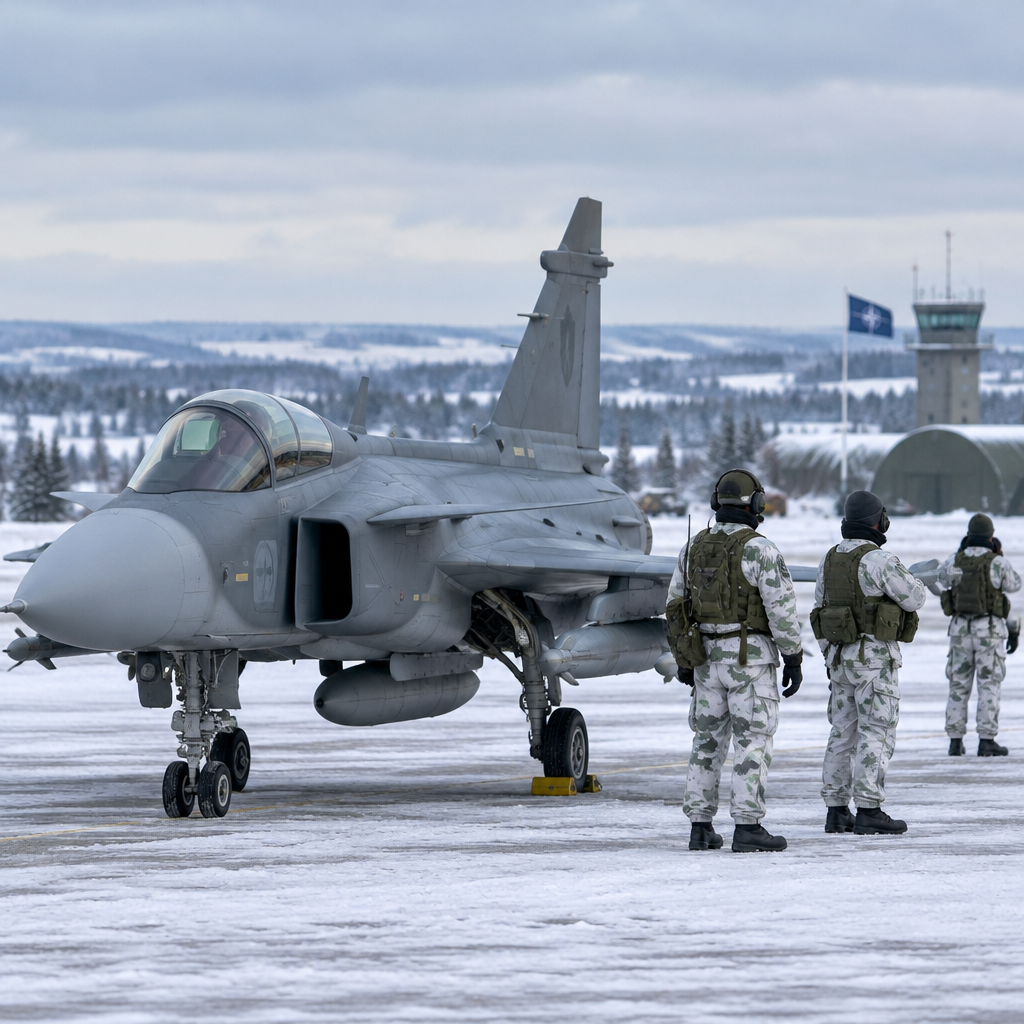
Japan and Australia have together been approved to buy more than 470 SM-2 Block IIIB and SM-6 Block I missiles.
US production, wartime drawdown, and near-term shortfalls
All three governments face a tightening supply picture. Deliveries are running at roughly 180 Raytheon Tomahawk cruise missiles and 240 Lockheed Martin Patriot-series interceptors a year, while only 125 SM-6s are due to be handed over in 2026. The article cites the war with Iran as having strained US stocks, and says refilling them will take priority — a dynamic that could leave Japanese and Australian demand for new munitions unmet. It also notes May reporting that Tomahawk deliveries to Japan could be delayed by up to two years.
Why sustainment, not just production, is the vulnerability
Missiles require periodic inspection and maintenance even while in storage: sensitive electronics, explosives and chemically reactive propellants must be checked and recertified. For many US-made missiles, major maintenance and recertification currently must be done in the United States. Sending munitions across the Pacific lengthens turnaround times and reduces operational stocks; and as US facilities work to restore depleted inventories, their servicing priorities might favour Pentagon needs under Defense Priorities and Allocations System ratings. In short, production shortfalls and sustainment bottlenecks compound to reduce the number of missiles ready for immediate use.

Audit-ready is a season. It shouldn't be.
Evidence in spreadsheets, controls drifting between audits, frameworks multiplying on flat headcount. Nubivance runs continuous compliance on Rapid7 Cyber GRC - SOC 2, HIPAA, ISO 27001, PCI, CMMC.
End the scrambleWhy Australia, and what infrastructure already exists
The piece argues Australia is the sensible place for a joint maintenance hub. Japan has greater missile manufacturing and maintenance capability, but the article frames Tokyo’s facilities as vulnerable in war because of proximity to China; Australia’s distance offers greater safety. Australia already runs a depot at Defence Establishment Orchard Hills capable of much of the maintenance for SM-2s, and expansion would build on that existing infrastructure. The author also notes Australia’s efforts to build domestic capacity through its Guided Weapons and Explosive Ordnance Enterprise and argues that expanding maintenance is a faster, more achievable contribution than attempting to make sophisticated missiles outright.
Technical and legal constraints: SM-2/SM-6 first, Type 03 later
The article recommends Raytheon SM-2 and SM-6 naval interceptors as the first munitions to be serviced at a joint facility. According to US Foreign Military Sales records cited in the piece, combined Japanese and Australian approvals for SM-2 Block IIIB and SM-6 Block I total more than 470 missiles; assuming a five-year maintenance cycle, roughly 90 missiles would need servicing annually. Over time the facility could expand to service Japanese-designed systems such as the Type 03 surface-to-air missile, but doing so would require changes to Tokyo’s defence export laws. The report stresses that building the hub would also require US support on technical information, certification processes and specialised equipment — hence the recommendation that the project be pursued trilaterally.
What this means for Japan, Australia, and the United States
- Japan: Would gain redundancy and distance for sustainment of key interceptors, but would need legal steps to allow servicing of indigenous systems at an overseas facility.
- Australia: Would convert existing capacity at Defence Establishment Orchard Hills into a regional sustainment node, turning geographic distance into a protective advantage.
- The United States: Would see some industrial burden shifted to allies, easing pressure on US facilities and shortening turnaround for allied missiles — if Washington provides the required technical data and certification.
The proposal reframes an industrial question as a strategic one: deterrence rests not only on inventories but on how many rounds are ready now and for how long they can be kept ready. Pooling Japanese and Australian demand would create a dedicated recertification capability with a viable workload and, crucially, priority access for those owners’ missiles. If spare capacity exists, the hub could also service US forward-deployed munitions.
Whether Washington will provide the technical information, certification pathways and specialised equipment the article says are necessary remains the decisive next step. Absent that trilateral commitment, allies dependent on US production and US-only servicing risk longer turnarounds and a narrower set of ready missiles — conditions the author argues would erode shared operational endurance just as much as national resilience.