Japanese Air Self-Defense Force Enters New Era with Next-Generation Type 20 Rifle
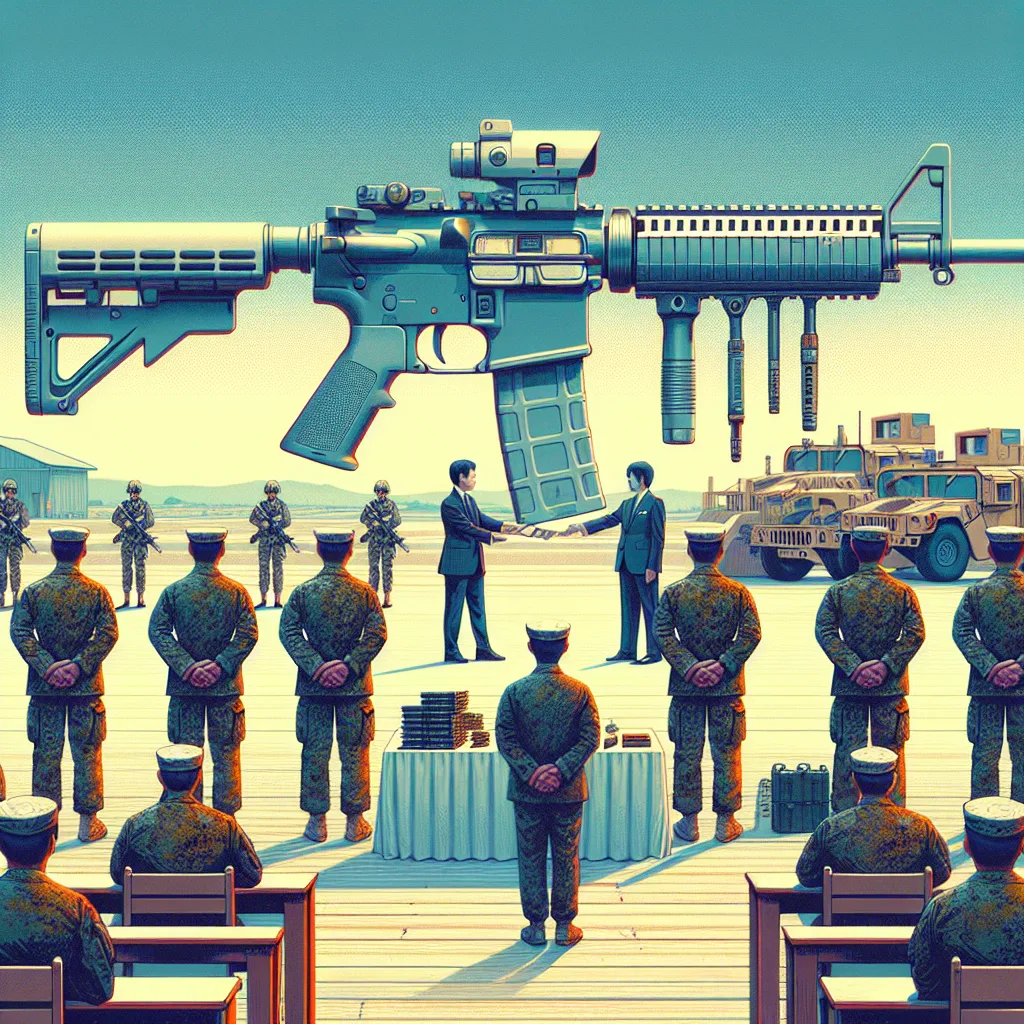
The Japan Air Self-Defense Force (JASDF) is charting a new course in tactical preparedness by integrating the cutting-edge Type 20 5.56mm assault rifle into its operations. This development, officially announced via an X post from Hyakuri Air Base, has drawn significant attention as it marks the debut of next-generation small-arms technology within Japan’s premier air force training unit.
“Finally! The #Type20 5.56mm rifle has been deployed to the #BaseSecurityTrainingUnit!” read the base’s message. The statement, steeped in enthusiasm and a clear signal of modernization, underscores the strategic importance of equipping the force with weapons that offer enhanced performance, reliability, and ergonomics. As this new weapon system takes its place among Japan’s defense assets, both security experts and industry analysts are watching closely to see how it reshapes the tactical landscape.
Historically, Japan’s Self-Defense Forces have been at the forefront of adopting advanced technology within the constraints of a self-defense posture. Over decades, the focus has been on creating a portable yet versatile arsenal that supports rapid deployment and secure defense against emerging threats. The Type 20 rifle, developed in response to evolving tactical challenges and stringent performance requirements, is no exception. This system is designed to offer improvements in accuracy, durability, and ease of maintenance—qualities critical for both training scenarios and operational readiness.
On a practical level, the introduction of the Type 20 rifle aligns with broader modernization efforts energized by the need to counter increasingly sophisticated security challenges. With regional dynamics undergoing constant change, Japan’s strategic recalibration is not only a matter of adopting new hardware but also ensuring that personnel are trained on platforms that promise superior performance. The Base Security Training Unit at Hyakuri Air Base, known for its rigorous programs and adherence to operational excellence, now has the opportunity to incorporate advanced marksmanship training and tactical drills that reflect the rifle’s updated capabilities.
From a policy perspective, Japan’s decision to integrate the Type 20 rifle reflects ongoing adjustments in the nation’s defense architecture. In recent years, shifts in regional security dynamics have led to a renewed emphasis on bolstering domestic capabilities. As the Ministry of Defense seeks to balance a commitment to self-defense with the ever-present demands of technological innovation, moves like this serve as a practical signal of intent: to maintain both deterrence and operational flexibility in an unpredictable global environment.
Defense analysts have weighed in on the potential impact of this upgrade. According to experts at the Japan Institute of International Affairs, equipping base security units with modern weapons is critical not only for readiness but also for enhancing the confidence of personnel in their ability to respond to crises effectively. With the Type 20 rifle boasting improvements over its predecessors in handling, modularity, and integration with advanced optics, it is expected that field performance and training outcomes will both see meaningful enhancements.
Several key points underscore the significance of this development:
- Enhanced Firepower: The Type 20 rifle has been engineered to deliver consistent accuracy and high reliability, crucial in both defensive operations and training scenarios.
- Technological Integration: With a design that likely supports compatibility with modern optics and accessories, the rifle symbolizes a marriage between traditional small-arms capability and next-generation digital combat systems.
- Training Implications: The deployment at the Base Security Training Unit provides a live environment to test and refine integration tactics, offering lessons that may inform broader military strategy.
- Strategic Signaling: As Japan continues to navigate evolving regional security challenges, modernizing its arsenal sends a clear message to potential adversaries about its commitment to maintaining effective defensive postures.
Further insight comes from comparisons with other advanced military markets. While many countries are gradually upgrading their infantry weapons to match contemporary combat realities, Japan’s measured approach emphasizes not only new technology but also the training and adaptation necessary to maximize its benefits. As the doctrine of self-defense evolves in tandem with emerging security challenges, the successful deployment of weapons like the Type 20 rifle could serve as a model for incremental, yet strategically significant, military modernization.
An official statement from Hyakuri Air Base highlights the careful transition from legacy systems to state-of-the-art platforms—a process that involves not just new equipment, but a recalibration of training protocols and tactical procedures. In an era where the lines between conventional and asymmetric warfare continue to blur, investing in the human element remains as critical as the technology itself.
Observers note that while the Type 20 rifle marks an important milestone, it forms just part of a broader continuum in Japan’s defense strategy. In future profiles of JASDF modernization efforts, one can expect further integration of advanced communication systems, data-sharing technologies, and cyber defense measures—all aimed at creating a resilient and adaptable defensive force.
Looking ahead, experts suggest that additional evaluations will be necessary to gauge the rifle’s performance in diverse conditions. For Japan, which has long prioritized defensive capabilities, the move could influence procurement decisions across other branches of the Self-Defense Forces. These evaluations, conducted through rigorous field tests and after-action reports, will inform any necessary adjustments in strategic doctrine.
As Japan continues to evolve its defense posture amid regional uncertainties, the adoption of the Type 20 rifle embodies a broader commitment to ensuring that both technology and training keep pace with emerging challenges. The balance between preserving longstanding principles of self-defense and embracing cutting-edge tools is delicate—but essential.
Even as the military history of Japan is steeped in lessons from the past, the present moment underscores that modernization is not merely about new equipment, but about preparing personnel to meet the demands of a rapidly evolving global landscape. With every new deployment, the human side of the story—marked by rigorous training, adaptability, and resolve—remains a central component of Japan’s defense narrative.
In an era where the boundaries of conflict are constantly redrawn, the implementation of the Type 20 rifle invites both reflection and anticipation. How will this leap in technology shape the future strategies of the Japan Air Self-Defense Force? As the nation watches and learns from its integration process, the answer may well offer insights into the broader dynamics of modern defense systems worldwide.