A New Shield Over the Baltic: Italy’s Advanced SAMP/T System Takes Flight
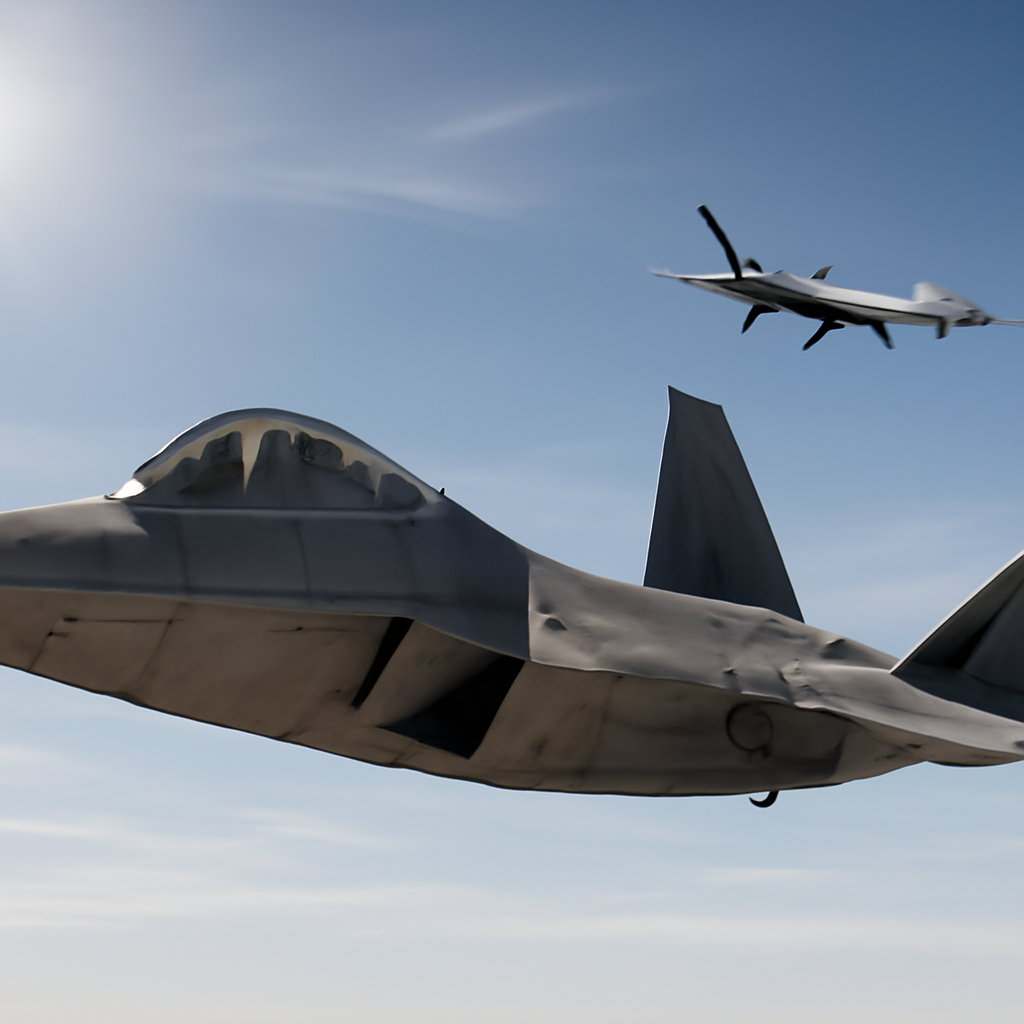
Italy is set to deploy its long-range SAMP/T air defense system to Estonia later this year—a strategic move confirmed by both nations during a NATO defense ministers’ meeting in Brussels. The deployment, which will see the high-tech system located at Estonia’s Ämari Airbase, marks an important milestone in the region’s evolving security architecture. Alongside the SAMP/T, Italian fighter jets will begin patrolling Estonian airspace as part of NATO’s rotational Baltic presence, underscoring the alliance’s commitment to collective defense.
This initiative emerges at a time when Eastern Europe remains a focal point of geopolitical tension. As NATO member countries reassess their defense postures in light of evolving security challenges, Italy’s contribution is seen as both a tactical enhancement and a symbolic assertion of unity. The decision was made amid discussions and high-level consultations at Brussels, reflecting the careful calibration of military capabilities in response to regional needs.
The SAMP/T system, renowned for its long-range and multi-target capabilities, has been a cornerstone of European air defense. Developed by France and deployed in various configurations across the continent, the system has consistently proven its mettle in deterring aerial threats. Its deployment in Estonia—a NATO member state situated near vulnerable borders—provides an added layer of security, strengthening deterrence and ensuring rapid response to any air incursions.
Historically, the Baltic region has been a theater for strategic maneuvering between diverse military powers. Estonia’s modern defense strategy has increasingly relied on both domestic measures and international partnerships to safeguard its sovereignty. The arrival of Italy’s SAMP/T system bolsters these efforts by integrating cutting-edge technology with established NATO protocols. The aircraft patrols by Italian jets further integrate conventional air power with the high-tech defenses of the SAMP/T, exemplifying a multi-domain approach to modern warfare.
In Brussels, representatives underscored that the deployment represents more than technical reinforcement—it symbolizes the alliance’s unwavering commitment to the security of its eastern flank. NATO officials have repeatedly reiterated that collective security means every member’s stability contributes to the overall strength of the alliance. This move, therefore, is not only about advanced military hardware but also about reassuring populations in border regions that NATO remains vigilant and united.
Defense analysts have noted that such deployments serve as a practical bulwark against potential aerial threats in a region where the specter of conflict looms large. Experts from institutions like the RAND Corporation have argued that technological investments, particularly in integrated systems like SAMP/T, are pivotal for maintaining a credible defense posture. The combination of long-range air defense networks with rotational fighter patrols is a paradigm that blends prevention with rapid reaction.
Looking ahead, the deployment is expected to generate ripple effects across the Baltic security landscape. By reinforcing Estonia’s airspace, it sends a clear message to both allies and potential adversaries: NATO’s commitment to deterrence is both robust and adaptive. Observers caution, however, that such enhancements, while necessary, will need continuous updating as the nature of aerial threats evolves. From upgrades in sensor technology to better interoperability with allied systems, the coming years will see further integration of advanced defense measures in the region.
For policymakers, military strategists, and citizens alike, the Italian deployment of the SAMP/T system serves as a reminder of the delicate balance between technological prowess and strategic diplomacy. It highlights the importance of maintaining a proactive defense posture in an era marked by rapid technological change and complex security dynamics.
As the SAMP/T system is ushered into service at Ämari Airbase, one is left to consider the broader implications. Is this a temporary tactical adjustment or a sign of a deepening trend toward increased military integration among NATO members? In the end, the evolution of the Baltic air defense architecture underscores a timeless truth: in a world of shifting alliances and unpredictable threats, security is a shared endeavor, honed by both technology and the enduring will of nations to stand together.