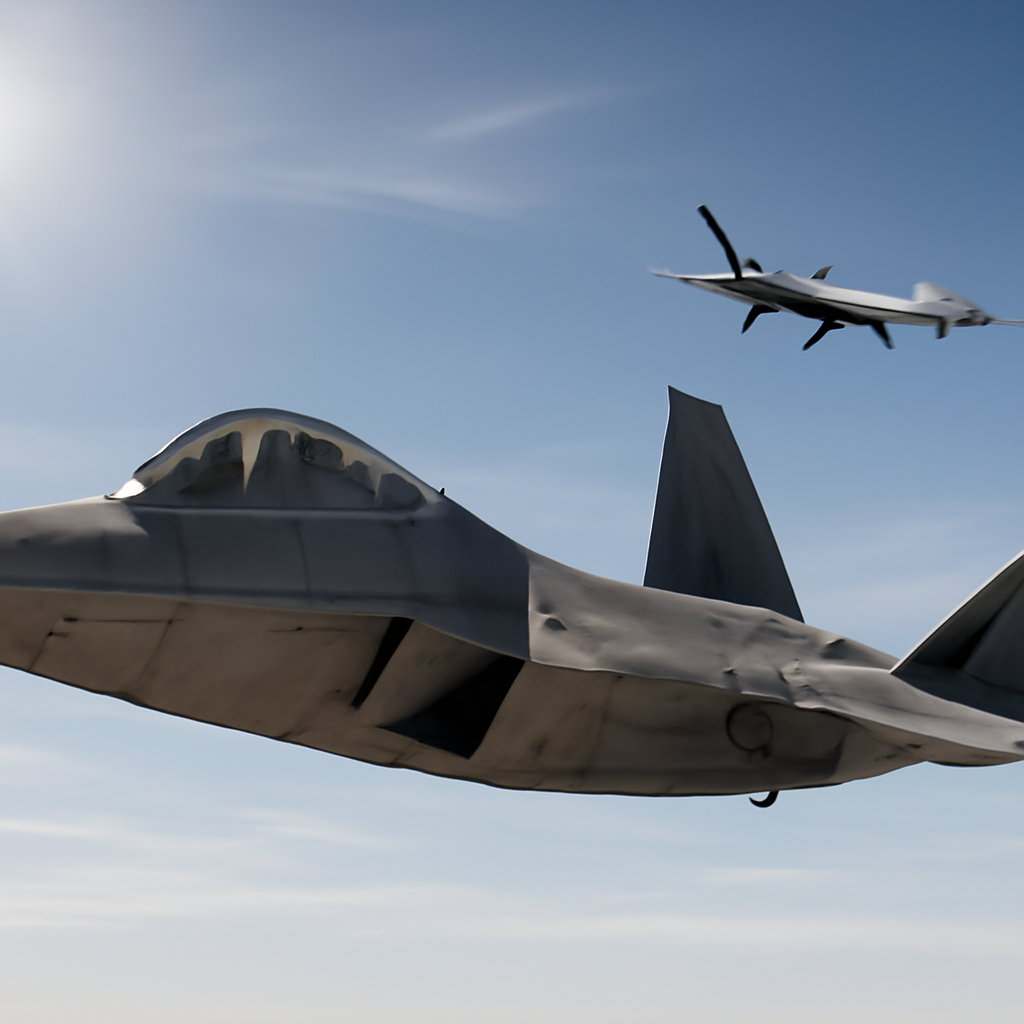
Soaring to New Heights: Israeli ROOSTER Drone Sets a New Standard for European Special Forces
In a significant leap towards modern military capabilities, Israeli defense technology firm Robotican has delivered dozens of its ROOSTER hybrid drone systems to European special operations forces. This development not only enhances the operational readiness of these elite units but also marks a pivotal moment for NATO’s collective defense strategy. As Europe grapples with evolving security challenges, the question arises: can advanced drone technology fundamentally alter the landscape of military engagement in Europe?
To appreciate the implications of this deployment, it is essential to understand the context surrounding the ROOSTER system. The hybrid drone, which combines vertical takeoff and landing (VTOL) with fixed-wing flight, is designed for diverse applications, ranging from surveillance to logistical support. Its successful registration with NATO signals that it adheres to strict military standards—an assurance that sets it apart in an increasingly crowded field of unmanned aerial systems.
Currently, as tensions rise across Eastern Europe and beyond, various nations are reevaluating their defense strategies. The war in Ukraine and ongoing geopolitical uncertainties have underscored the necessity for rapid-response capabilities that can adapt to a range of operational environments. The ROOSTER’s versatility could prove critical in addressing such challenges.
The ROOSTER system boasts features that enable it to perform real-time intelligence gathering while simultaneously supporting troop movements and logistics. Equipped with advanced sensors and cameras, it offers enhanced situational awareness—a crucial factor when every second can influence mission success or failure. By integrating these technologies into existing operational frameworks, European special forces can achieve heightened efficiency on the battlefield.
Moreover, the significance of this development extends beyond mere tactical advantages; it reflects a broader trend in military modernization efforts among NATO member states. As explained by Dr. Elan Ziv, a noted defense analyst at the Institute for Strategic Studies, “The integration of hybrid drones like ROOSTER into European forces signifies a shift towards a more agile and technologically adept military posture. It’s not just about having drones; it’s about how they fit into an overall strategic vision.”
This shift towards drone integration also highlights the complex interplay between technological advancement and public perception. While advanced drone capabilities promise enhanced security, they also raise ethical questions regarding surveillance and combat operations. Policymakers must navigate these concerns carefully as they look to bolster defenses without compromising public trust or civil liberties.
Looking ahead, it will be crucial for observers to monitor several key developments:
- NATO Operational Integration: Watch how effectively European forces incorporate the ROOSTER into their existing operations, particularly in joint exercises.
- Technological Enhancements: Anticipate advancements in drone technology that could emerge as other defense contractors respond to this new standard set by Robotican.
- Public Discourse: Pay attention to how discussions around drone usage evolve within Europe—specifically concerning privacy rights and ethical standards in warfare.
As European nations face pressing security issues on multiple fronts, the delivery of the ROOSTER hybrid drone represents more than just a procurement success; it encapsulates a broader commitment to modernization within NATO. Can this innovative technology deliver on its promise? Only time will tell if these drones can indeed help reshape not just tactical outcomes but also public perceptions about the future of warfare in an increasingly interconnected world.