High Stakes Over the Skies: An Israeli Drone Downed in Iran
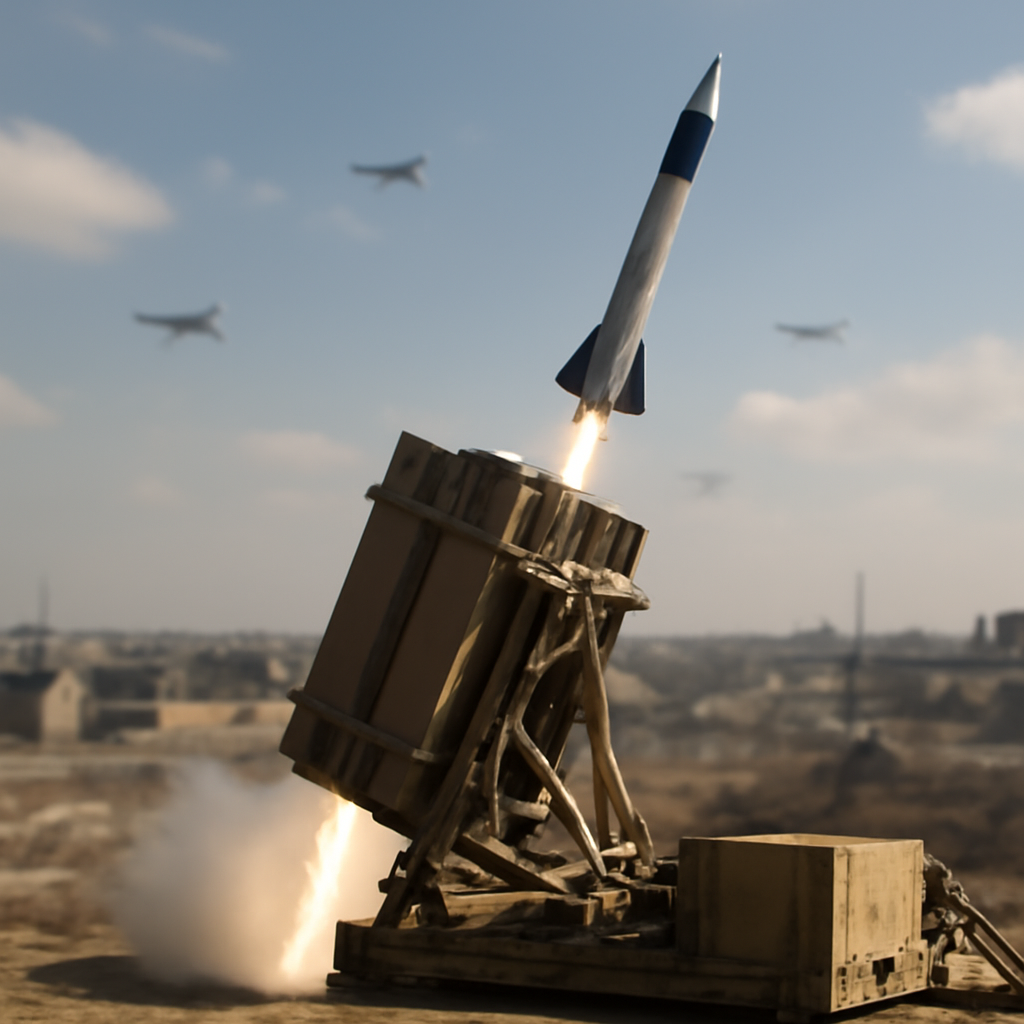
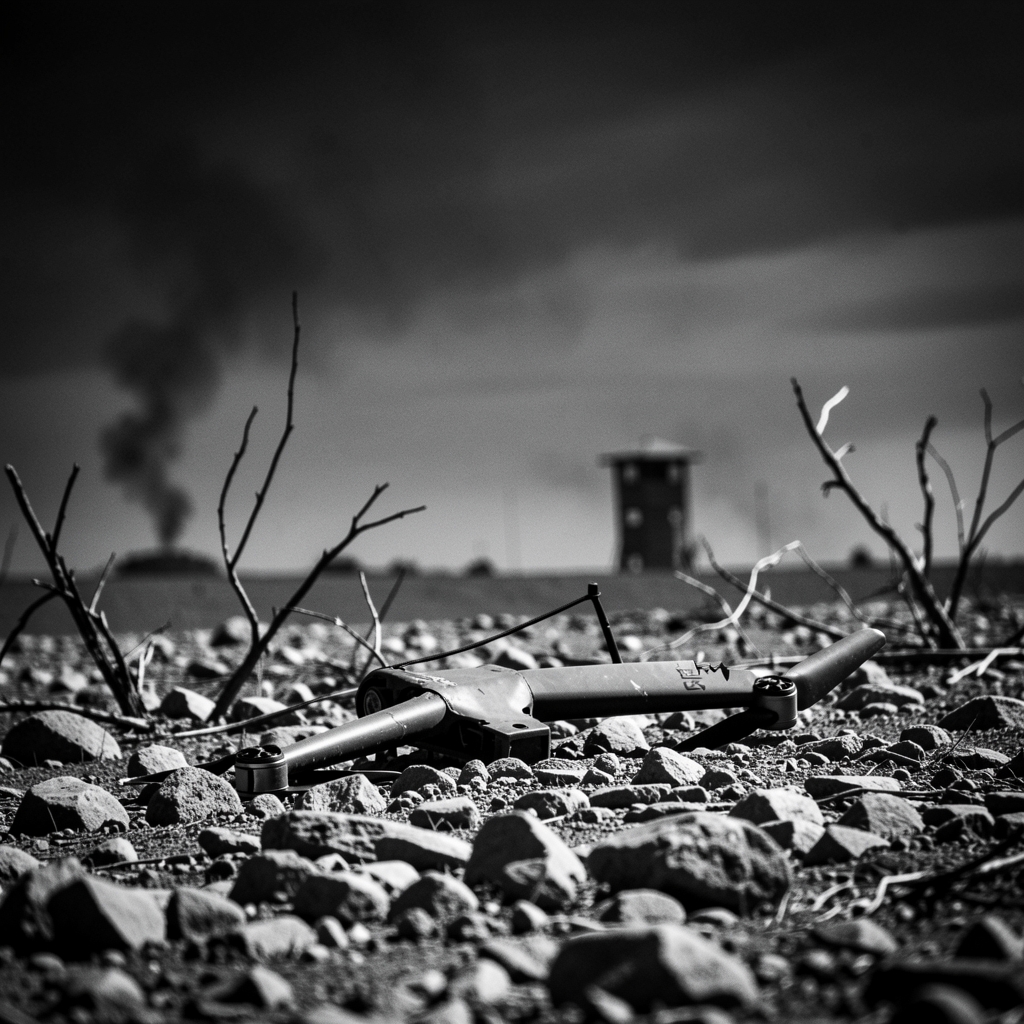
In a striking escalation of regional tensions, the Israeli Defense Forces (IDF) confirmed on Wednesday that one of its unmanned aerial vehicles was shot down near Isfahan, Iran. This incident follows Iranian assertions that their air defense systems successfully targeted an Israeli drone, underscoring a growing aerial confrontation between two long-time adversaries. As geopolitical maneuvering intensifies in the Middle East, questions arise regarding the implications of this event on broader security dynamics.
The backdrop to this incident is steeped in decades of animosity between Israel and Iran, marked by a relentless pursuit of military superiority and intricate proxy engagements across the region. The significance of Isfahan cannot be understated; it is home to critical Iranian military installations, including facilities associated with the country’s ballistic missile program and nuclear research efforts. Understanding this context helps illuminate why both nations view aerial surveillance operations as vital to national security.
Reports indicate that the drone was downed around 5:00 AM local time, a time when visibility is often favorable for both surveillance and defensive actions. Official statements from Tehran depicted the interception as a successful demonstration of their increasing military capabilities. The Iranian narrative claims that the drone was operating within their airspace, while Israel has not disclosed details about the drone’s specific mission or purpose at the time of its downing.
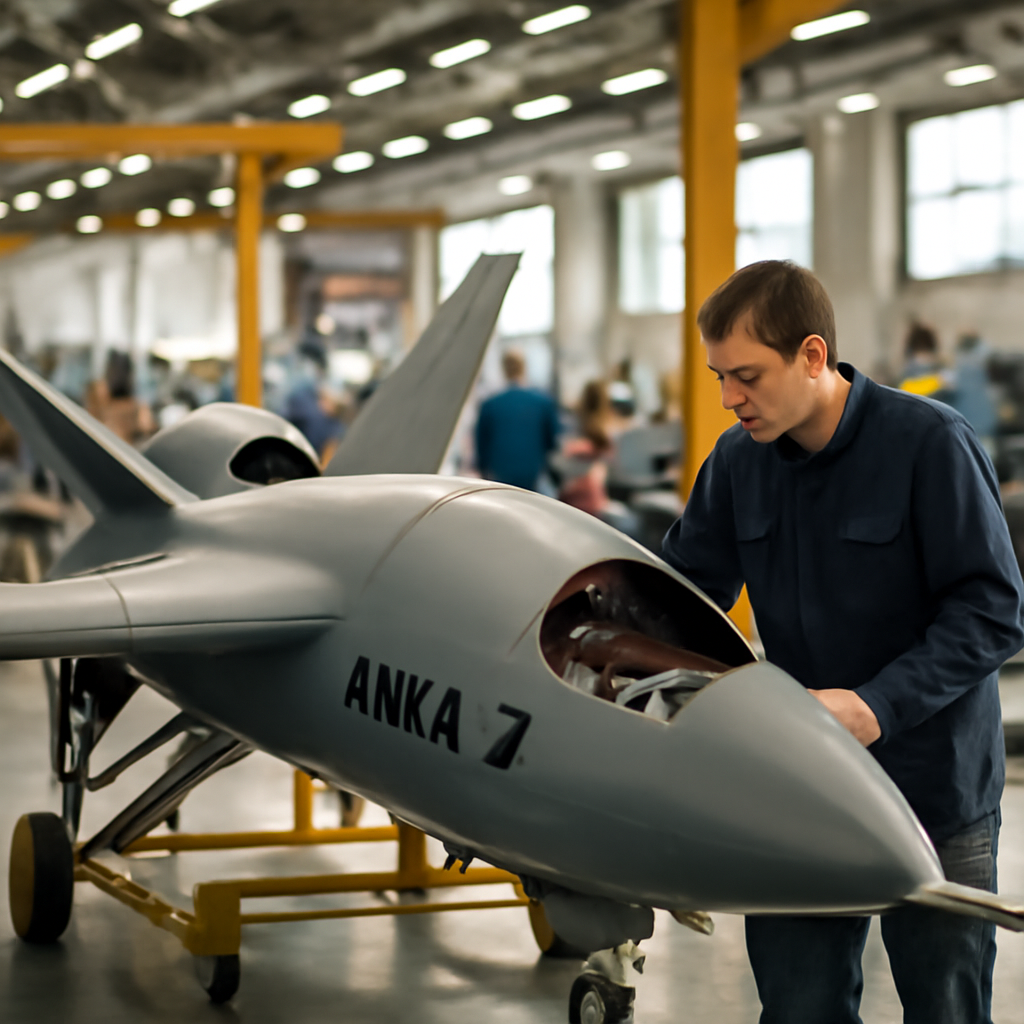
This incident is emblematic of a broader trend where technological warfare is becoming increasingly prominent in geopolitical disputes. Drones have revolutionized combat dynamics, enabling nations to project power with reduced risk to human life. However, they also provoke countermeasures that escalate conflicts into dangerous confrontations. For instance, Israel has employed drones extensively for intelligence-gathering operations targeting Iranian interests in Syria and Lebanon. Iran’s ability to counter these operations raises significant questions about its evolving defense posture.
The implications of this drone downing extend beyond immediate military concerns; they touch on issues of public trust and national security perceptions within both nations. For Israel, which often boasts advanced military technology and intelligence capabilities, such incidents can shake public confidence in its defenses and operational strategies. Conversely, for Iran, showcasing military success against an adversary can bolster nationalist sentiments and enhance governmental legitimacy amid ongoing sanctions and economic struggles.
Expert commentary on this situation emphasizes a crucial point: both nations are locked in a cycle where each action begets reaction. Dr. Michael Eisenstadt, a senior fellow at The Washington Institute for Near East Policy, noted that “Israel will likely reassess its intelligence-gathering tactics over Iranian territory as they navigate this new reality.” He added that as long as Iranian air defenses are modernizing and improving, further confrontations are virtually inevitable.
Looking ahead, observers should remain vigilant regarding several possible outcomes from this incident. First, we may witness an uptick in aerial engagements as Israel adapts its strategies to counter evolving Iranian defenses. Additionally, Iran might seek to further demonstrate its capabilities through enhanced defensive posturing or propaganda efforts aimed at consolidating internal support.
This episode serves as a stark reminder: every drone downed can echo beyond military calculations; it reverberates through diplomatic channels and public perceptions alike. As tensions flare like wildfire across the region’s complex political landscape, one has to wonder—how many more confrontations must occur before constructive dialogue replaces hostilities?