"Israel is stronger than ever, and Israel must always be significantly stronger than our enemies," Prime Minister Benjamin Netanyahu said after the government approved procurement of two new fighter squadrons.
Ministerial Committee approval and next steps
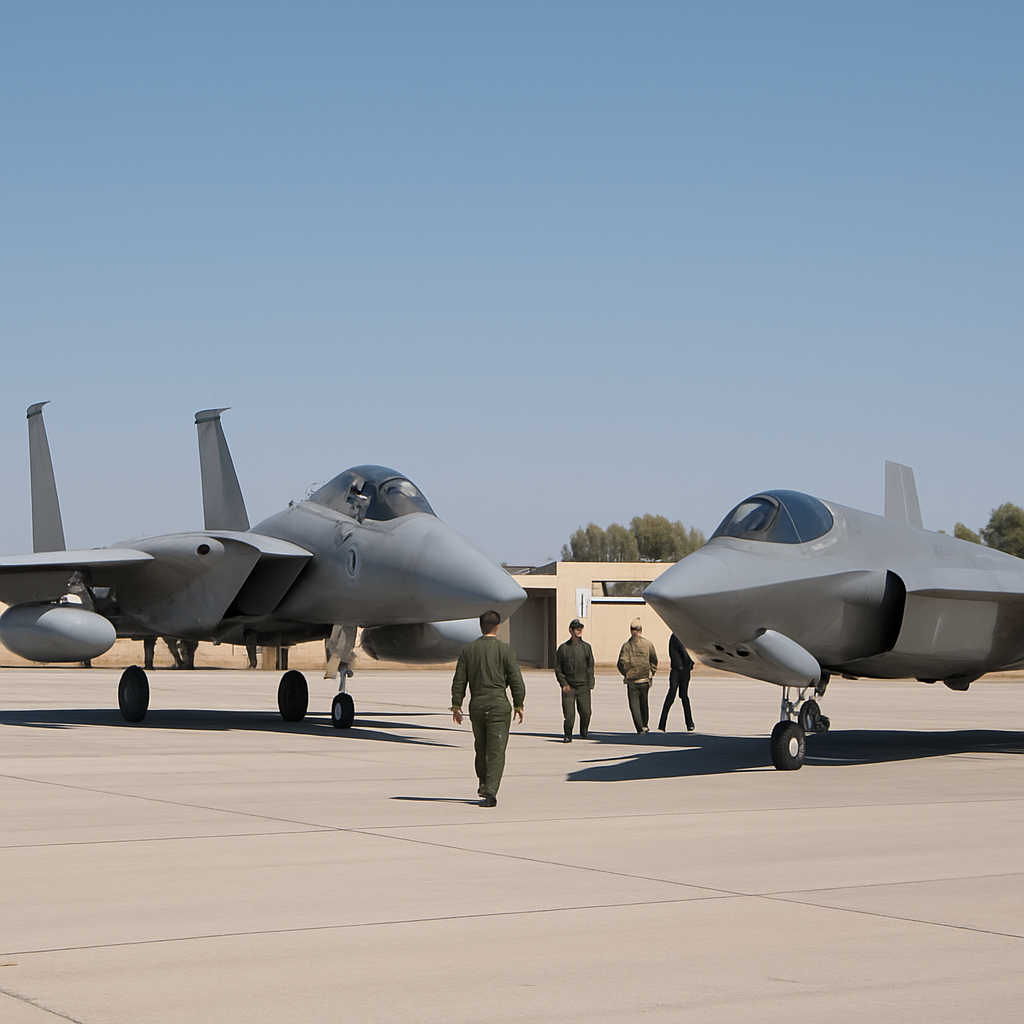
Israel’s Ministerial Committee on Procurement approved a simultaneous purchase of one F-15IA squadron and one F-35I Adir squadron, the Israeli Ministry of Defense confirmed on its official social channels. The ministry said the scope of the deals is “estimated at tens of billions of shekels” and will include integration of the squadrons into the Air Force, comprehensive support, spare parts, and logistics. The Director General of the Ministry of Defense has authorized the procurement delegation in the United States to proceed with signing the deals with U.S. government and military officials “in the near future.” Neither a delivery timeline nor a final cost for these specific follow-on purchases was specified in the ministry’s announcement.
F-35I and F-15IA: numbers, existing contracts, and likely fleet totals
The Israeli Air Force (IAF) has recently organized acquisitions in 25-aircraft squadron blocks, and the new announcement follows that pattern: while the official release did not state exact numbers, a 25-aircraft squadron is “almost certain” to be used here. That would add roughly 25 examples of each type, producing an eventual inventory of about 100 F-35Is and 50 F-15IAs.
Contract history and timelines already in the public record help place the move in context. In December of the previous year Israel signed a contract with a ceiling of $8.58 billion for its first 25 F-15IAs, with an option for an additional 25 now exercised. Work on that first batch is expected to be completed by the end of 2035. In August 2024 the United States approved Israel to buy as many as 50 F-15IAs, and a broader package valued at $18.82 billion included upgrades to existing F-15Is.
On the F-35I side, Israel’s 2023 purchase expanded the Adir fleet by another 25 jets at an approximate cost of $3 billion, growing the fleet to 75 aircraft; that earlier batch was slated to begin deliveries in 2028.

Audit-ready is a season. It shouldn't be.
Evidence in spreadsheets, controls drifting between audits, frameworks multiplying on flat headcount. Nubivance runs continuous compliance on Rapid7 Cyber GRC - SOC 2, HIPAA, ISO 27001, PCI, CMMC.
End the scrambleOperational lessons: Operation Lion’s Roar and the case for urgency
Defense Minister Israel Katz framed the procurement as responsive to “operational lessons learned from the campaign against Iran [that] require us to accelerate our force buildup.” Israel and the United States launched airstrikes on Iran on February 28; a ceasefire has been in place since April 8. The ministry’s public material also notes that the U.S. Navy continues a blockade of Iranian ports and that the Israel Defense Forces remain heavily engaged in fighting in Lebanon.
Katz said the campaign, Operation Lion’s Roar, “again demonstrated the power of the Air Force and its crucial role in safeguarding the security of the State of Israel,” and called the two-squadron procurement “a central part of the ‘Magen Israel’ program” designed to preserve a sustained qualitative edge. Maj. Gen. (res.) Amir Baram, director general of the Ministry of Defense, described the buy as “the first and central step in implementing […] force buildup for a challenging security decade,” adding that the combination of the two platforms “will provide the Air Force with full flexibility to address a wide range of combat scenarios.”
Magen Israel program: funding priorities and technological aims
Magen Israel — “Israeli Shield” — has been approved by the prime minister and defense minister and will provide a budget of close to $120 billion over the next 10 years. The program title in ministry statements ties the new fighters to broader investments described as “a technological leap forward in the development and integration of autonomous flight capabilities, next-generation advanced defense systems, and the establishment of Israeli military superiority — both defensive and offensive — in space.” The ministry said the two-squadron procurement is part of that larger program.
What this means for the Israeli Ministry of Defense, the United States, and the Israeli Air Force
- Israeli Ministry of Defense: will move the procurement delegation to sign contracts in the United States and manage integration, sustainment, and logistics for the new squadrons as part of the Magen Israel budget envelope.
- The United States: public statements note some funding will almost certainly come from U.S. military assistance; Washington has been supplying billions in military aid to Israel annually and since October 7, 2023 “surged tens of billions of dollars more,” fast-tracking arms to the IDF.
- Israeli Air Force: will gain complementary capabilities—long-range, heavy-payload F-15IAs alongside stealthy, multirole F-35Is—while slated timelines for earlier F-35I and F-15IA tranches point to deliveries beginning in 2028 for the F-35 batch and earlier ministry guidance that F-15IA deliveries could start in 2031 (with the initial F-15IA work finishing by the end of 2035).
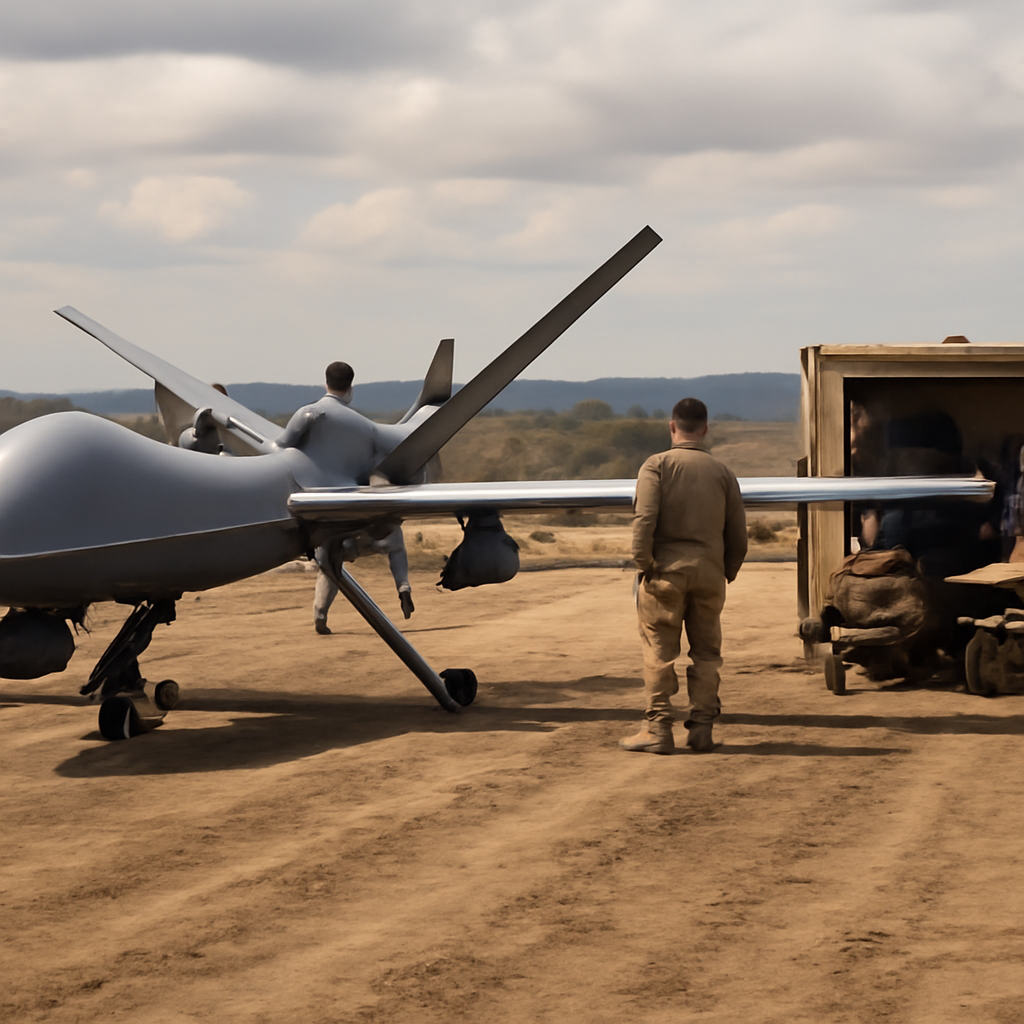
Beyond the announced buys, Prime Minister Netanyahu signaled ambitions for “groundbreaking Israeli-made aircraft” without providing details; the ministry’s commentary also notes at least one secretive Israeli drone, RA-01, used for covert missions, meaning domestic programs — whether a manned fighter along Lavi lines, a collaborative combat aircraft drone, or new ISR platforms — remain possible. The immediate facts are concrete: two squadrons approved, budgetary language tying the buy to a $120 billion modernization plan, and authorization for Israeli procurement teams to finalize deals in the United States. How quickly those jets arrive and how they are integrated into ongoing operations are the next, clearly consequential steps.