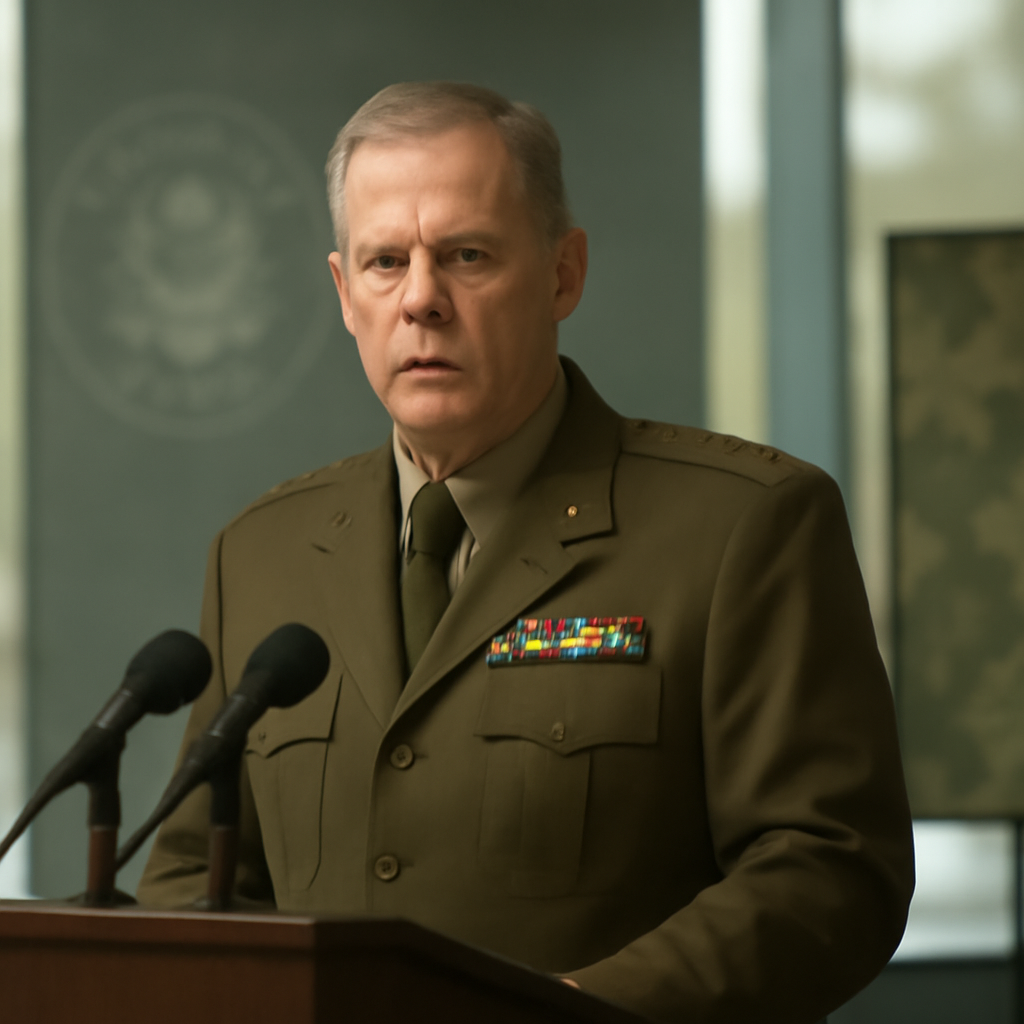
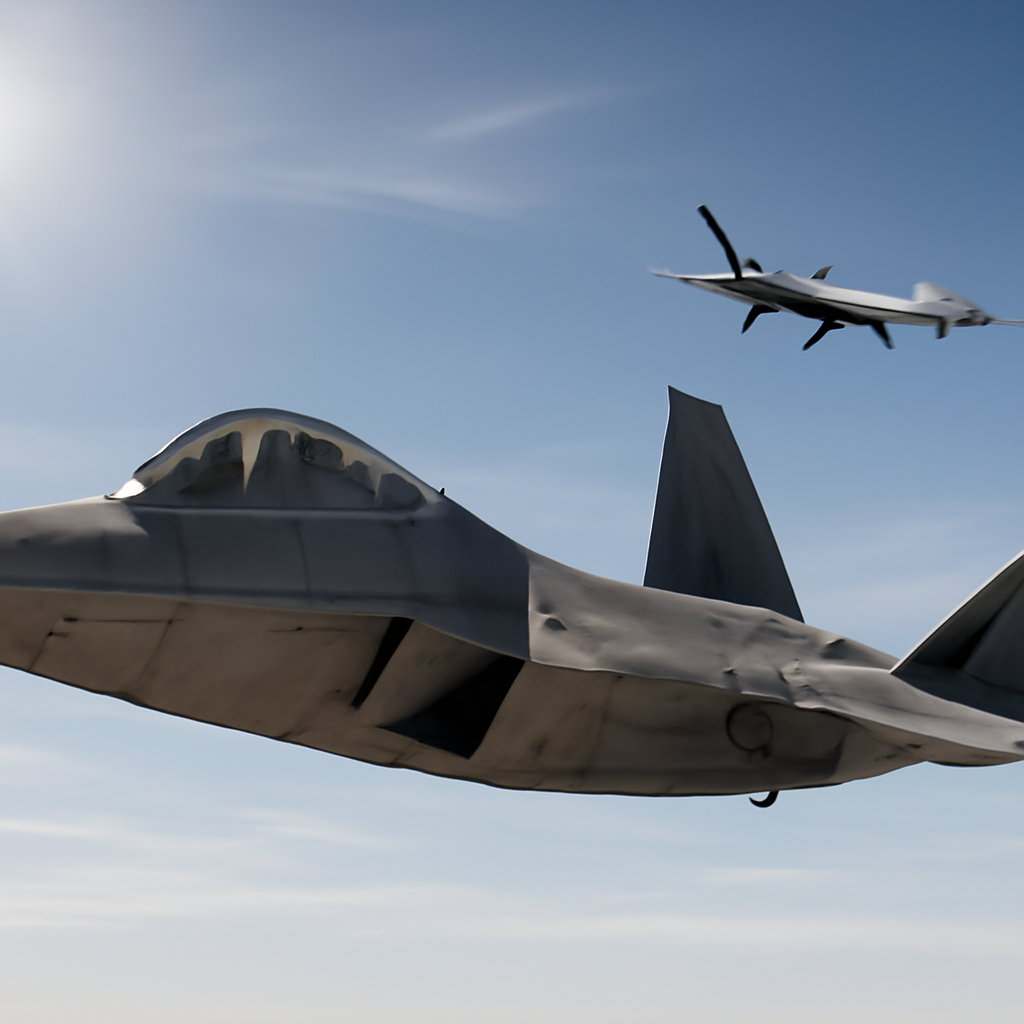
Are negotiations alive or already dead? One side says they're moving forward; the other says they are not — and both fired on vessels over a single tumultuous weekend near the strait. The contradiction between public claims and Tehran’s response, combined with military shots being exchanged at sea, has left the diplomatic picture unclear and fragile.
What happened
According to reporting, Trump said the peace talks are on, while Iranians say they aren't. Those competing public positions came after an incident-filled weekend in which both the U.S. and Iran fired on vessels near the strait. The sequence left observers and participants with sharply different accounts of the status of negotiations and the security environment in the maritime approach.
Why the divergence matters
The gap between saying talks are proceeding and saying they are not has immediate practical effects. Negotiations depend on a shared baseline of reality and predictable signals from each side; when public statements conflict and kinetic incidents occur in the same timeframe, trust and clarity are undermined. The reporting highlights three core consequences:
- Credibility and momentum: If one party publicly asserts negotiations are ongoing while the other denies it, momentum toward any agreement can stall as negotiators and external actors hesitate to commit resources or endorse outcomes.
- Security and escalation risk: The fact that both the U.S. and Iran fired on vessels during the same weekend raises the possibility that maritime confrontations could become a flash point that derails diplomacy or prompts reciprocal actions.
- Signal confusion: Conflicting messages from principals and kinetic events complicate efforts by third parties to mediate, monitor, or support a ceasefire or framework for talks.

Audit-ready is a season. It shouldn't be.
Evidence in spreadsheets, controls drifting between audits, frameworks multiplying on flat headcount. Nubivance runs continuous compliance on Rapid7 Cyber GRC - SOC 2, HIPAA, ISO 27001, PCI, CMMC.
End the scramblePerspectives and implications
Different constituencies will read the events and the mixed messaging through distinct lenses.
- Policymakers will likely see the incidents as tests of control and intent. When both state actors employ force at sea while publicly offering contradictory accounts of negotiations, it complicates planning and calibrating diplomatic or security responses.
- Technologists and analysts tracking maritime activity may treat the weekend as a reminder that surface incidents can rapidly change the operational environment for shipping and surveillance, and that data alone does not resolve political contradictions between public statements.
- Regional and global commercial actors will watch for whether maritime risk premiums and insurance conditions change if such exchanges become more frequent or are perceived to threaten transit through strategic chokepoints.
- Adversaries or opportunistic actors could interpret the mixed messaging as a window to probe defenses or influence narratives, exploiting uncertainty about whether talks are alive to press tactical advantages.
What to watch next
The central questions going forward are straightforward: Which public position will be reflected in follow-on actions — continued diplomacy or renewed confrontation? Will further maritime incidents occur, and if so, will they push the parties toward de-escalation or deepen mistrust? The weekend’s events have put the durability of any negotiated pathway into immediate doubt.
The juxtaposition of affirmative claims that talks continue and an equally plain denial from Iranian sources, set against a backdrop of shots fired by both states at sea, creates a fragile equilibrium. In such an environment, even a small miscalculation can reshape outcomes far more quickly than reassurances or press statements can repair them.
Original story: https://www.twz.com/news-features/iran-peace-talks-hanging-by-a-thread-after-tumultuous-weekend-near-the-strait