Who benefits when a wartime cyber-accusation lands in international headlines? Iranian media have accused the United States of using backdoors and/or botnets to disable networking equipment during the current war, and Chinese state media has been amplifying those allegations, according to a report in The Register.
What was claimed
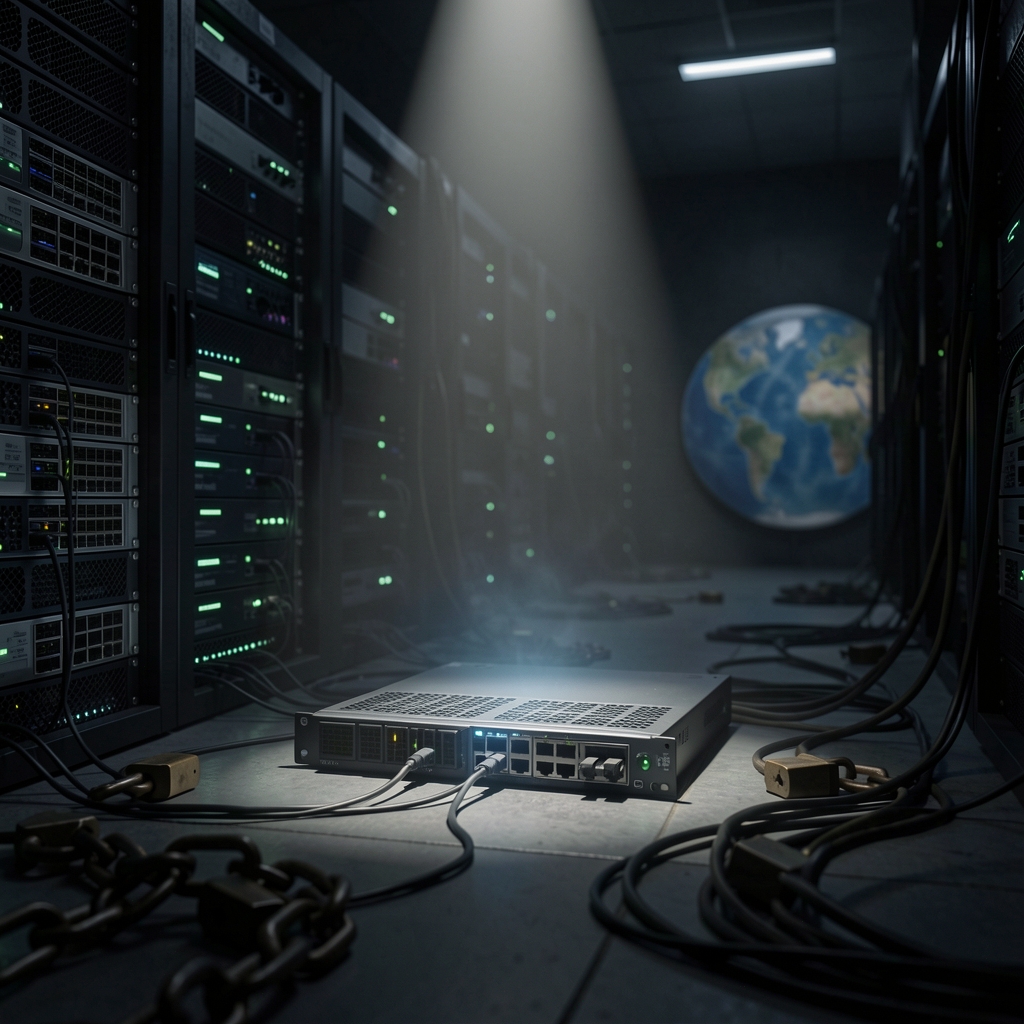
The core assertion reported is straightforward: Iranian outlets claimed that the US used either backdoors or botnets — or both — to knock out networking equipment amid ongoing hostilities. The Register also noted that Chinese state media has seized on the story and is promoting the allegation internationally.
What the report does — and does not — say
- The report attributes the allegation to Iranian media; it does not present independent confirmation of the actions described.
- It specifies two mechanisms mentioned in the allegation: backdoors and botnets, and a target: networking equipment.
- The Register story further reports that Chinese state media is publicizing the Iranian claims; the report does not provide additional technical details, attribution evidence, or responses from the parties accused.

Audit-ready is a season. It shouldn't be.
Evidence in spreadsheets, controls drifting between audits, frameworks multiplying on flat headcount. Nubivance runs continuous compliance on Rapid7 Cyber GRC - SOC 2, HIPAA, ISO 27001, PCI, CMMC.
End the scrambleWhy the allegation matters
Accusations that a state actor disabled networks using covert technical means carry multiple implications even before they are substantiated. Allegations of backdoors and botnets touch on technical vulnerabilities, the integrity of communications infrastructure in a conflict zone, and the information environment that shapes public perception.
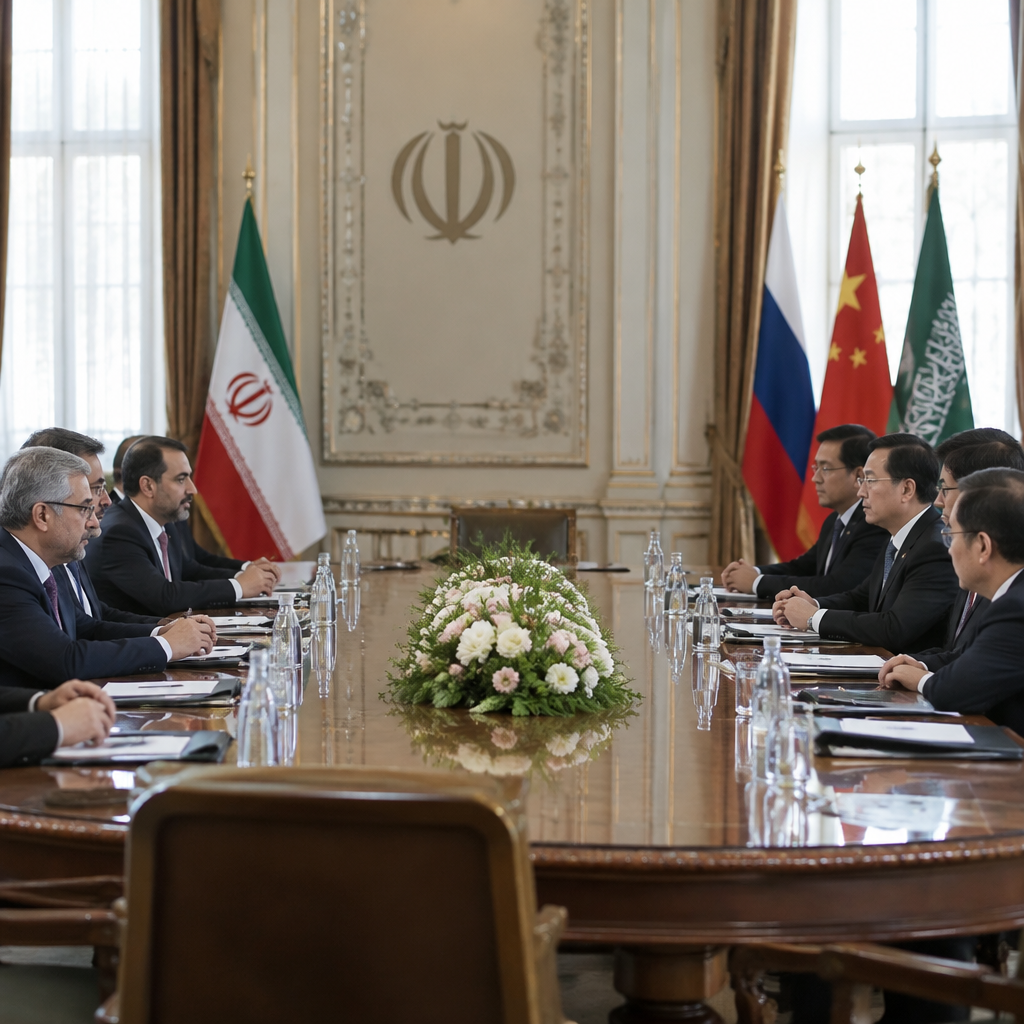
When such claims are picked up by another state’s official media, the story extends beyond the technical domain into diplomacy and influence operations. The Register’s account shows Chinese state media amplifying the Iranian allegation — a dynamic that can magnify the accusation’s reach and political impact regardless of its factual status.
Who cares — and what they might be thinking
- Technologists: Security professionals and network operators would be alert to any credible reports that networking gear had been compromised, and to the implied risks associated with backdoors or botnet activity. The technical community tends to seek verifiable indicators before drawing conclusions.
- Policymakers: Governments and international organizations often face pressure to respond publicly to serious allegations about interference in critical infrastructure, especially during wartime. An allegation amplified by foreign state media can complicate diplomatic messaging and crisis management.
- Users and businesses: Users dependent on affected infrastructure — businesses, service providers, and civilians — may worry about availability and trust if networks are reported to be disrupted by deliberate technical means.
- Adversaries and amplifiers: Opponents and allied media actors can use such allegations to support narratives about vulnerability or wrongdoing; the Register report underscores how Chinese state media has promoted the Iranian claims.
All of this rests on an unverified claim reported by Iranian sources and carried by The Register. Without corroboration in the public record, the accusation remains an allegation: potent in its potential consequences, but incomplete as a factual account.
In a conflict environment where information and technical actions can both be weapons, the spread of such an allegation raises a final question: how will neutral observers, technical fact‑finders, and the wider public separate verifiable evidence from wartime rhetoric? Read the original report here: https://go.theregister.com/feed/www.theregister.com/2026/04/21/iran_claims_us_used_backdoors/