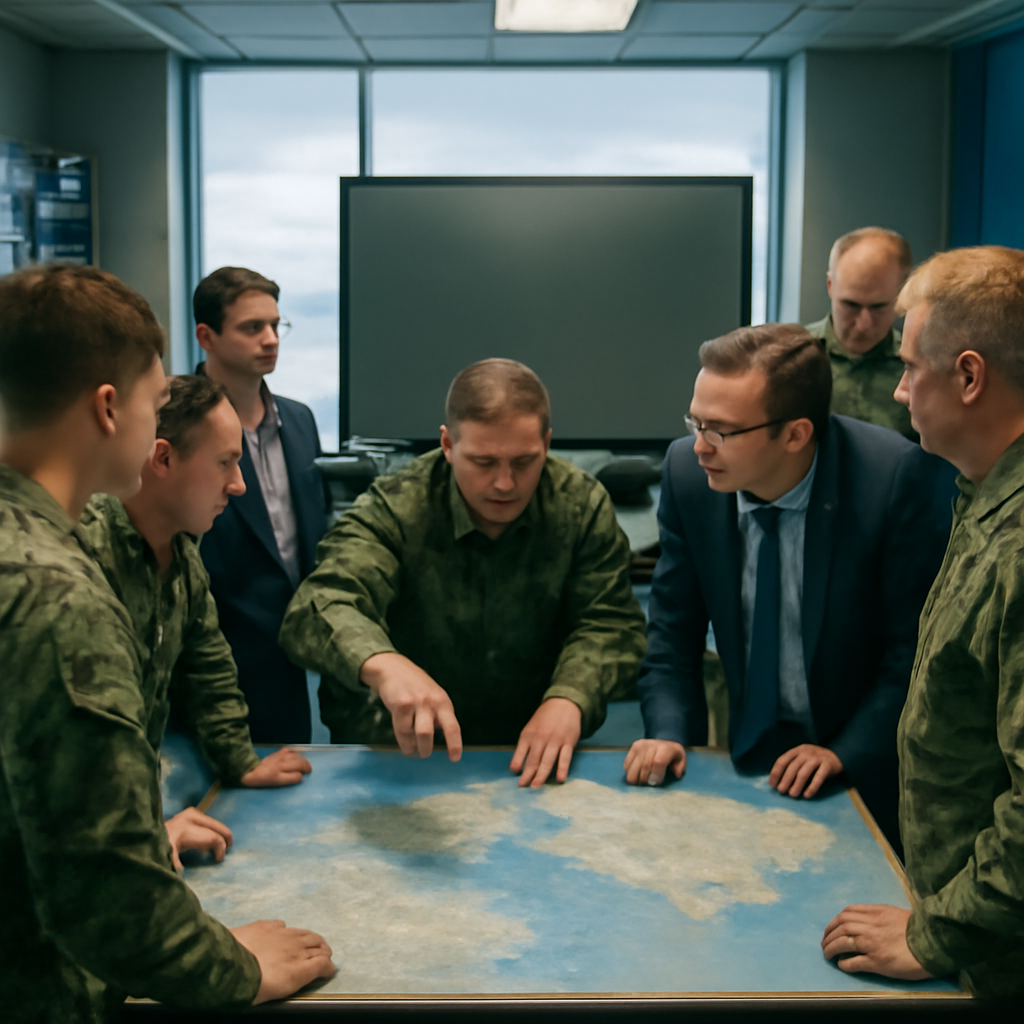
Intelligence professionals carry an unrecognised ethical responsibility: it arises when they shape what political decision‑makers come to know, which risks are held to be salient, and which options appear available.
Collection priorities and Australia’s picture of influence in a Pacific state
The way collection is prioritised can determine the problem ministers see. The source gives a concrete hypothetical: if Australia focuses collection on military access and security cooperation while giving less attention to political financing, debt exposure and technology dependence, ministers will receive a picture dominated by the prospect of a future military foothold. The consequence is that security responses may appear more urgent than economic or diplomatic options — not because those options are unavailable, but because the intelligence picture was shaped to highlight one set of risks and downplay others.
Strategic warning and regional controls over telecommunications, ports and digital infrastructure
Intelligence judgements about patterns can convert a series of commercial investments into an "emerging strategic dependency." The source uses the example of tracked increases in foreign control over telecommunications, ports and digital infrastructure across a region. When leaders report that they see a pattern rather than isolated transactions, the presentation can itself make intervention appear necessary; by contrast, the situation might in fact call for continued monitoring rather than urgent action.

This site is the portfolio.
OSINTSights runs on Cloudflare Workers, D1, R2, and Vectorize, with an AI pipeline on Hetzner ARM. Nubivance designed, built, and operates it. We do the same for clients.
See what we buildAssessments of a friendly neighbour’s security cooperation
Advice about intent can narrow the set of credible responses available to ministers. In the example given, a friendly neighbouring country deepens security cooperation with a strategic competitor. Intelligence officials judge the cooperation significant but ambiguous: it could signal alignment, hedging, or efforts to extract concessions. If assessments place greater weight on alignment, ministers may feel compelled to pressure the friend; if assessments emphasise hedging and autonomy, continued engagement remains credible. Either way, the intelligence work helped define what choices appeared reasonable.
Governance and leadership: translate influence into institutional practice
The source argues that intelligence organisations should recognise this influence as an ethical responsibility and build it into governance improvements and leadership expectations. Reviews of major collection priorities, strategic warnings and important assessments should examine not only analytic soundness, sourcing and uncertainty, but also what has been prioritised, what received less attention, and how those choices affect what ministers see. Senior officials should challenge the assumptions behind warnings and assessments, ask what would change the judgement, and ensure other credible interpretations have been properly considered.
Training, responsibility and the distribution of influence
Professional development should prepare officers to recognise when collection, warning or presentation decisions will change how a problem is understood by others. The piece emphasises that responsibility should follow influence rather than rank: leaders often carry the greatest responsibility because they decide what reaches ministers and how urgently it is presented, but influence can also sit with specialists, collectors or others whose expertise is central to particular decisions. Importantly, the source stresses this responsibility is distinct from policy outcome — contributing work to a minister’s decision does not make an intelligence professional responsible for that decision, but neither does ministerial authority erase responsibility for earlier choices that shaped the decision environment.
What this means for ministers, intelligence leaders, and collectors
- Ministers: remain the final decision‑makers and accountable for outcomes, but should be aware that what they see can be shaped by earlier collection and presentation choices.
- Intelligence leaders: should embed review processes that assess prioritisation effects, test strategic warnings carefully, and require explicit consideration of competing interpretations.
- Collectors and specialists: must recognise that their choices about what to collect and which lines to emphasise carry ethical weight when those choices feed into strategic judgements presented to ministers.
The central, unsettled claim is narrow and urgent: formal authority tells us who decides, but it should not obscure who helped shape the conditions in which decisions were made. Intelligence organisations are urged to make that shaping visible — through governance, leadership scrutiny and professional training — so that influence carries a matching ethical responsibility.
https://www.aspistrategist.org.au/decision-shaping-the-ethical-responsibility-in-intelligence-work/