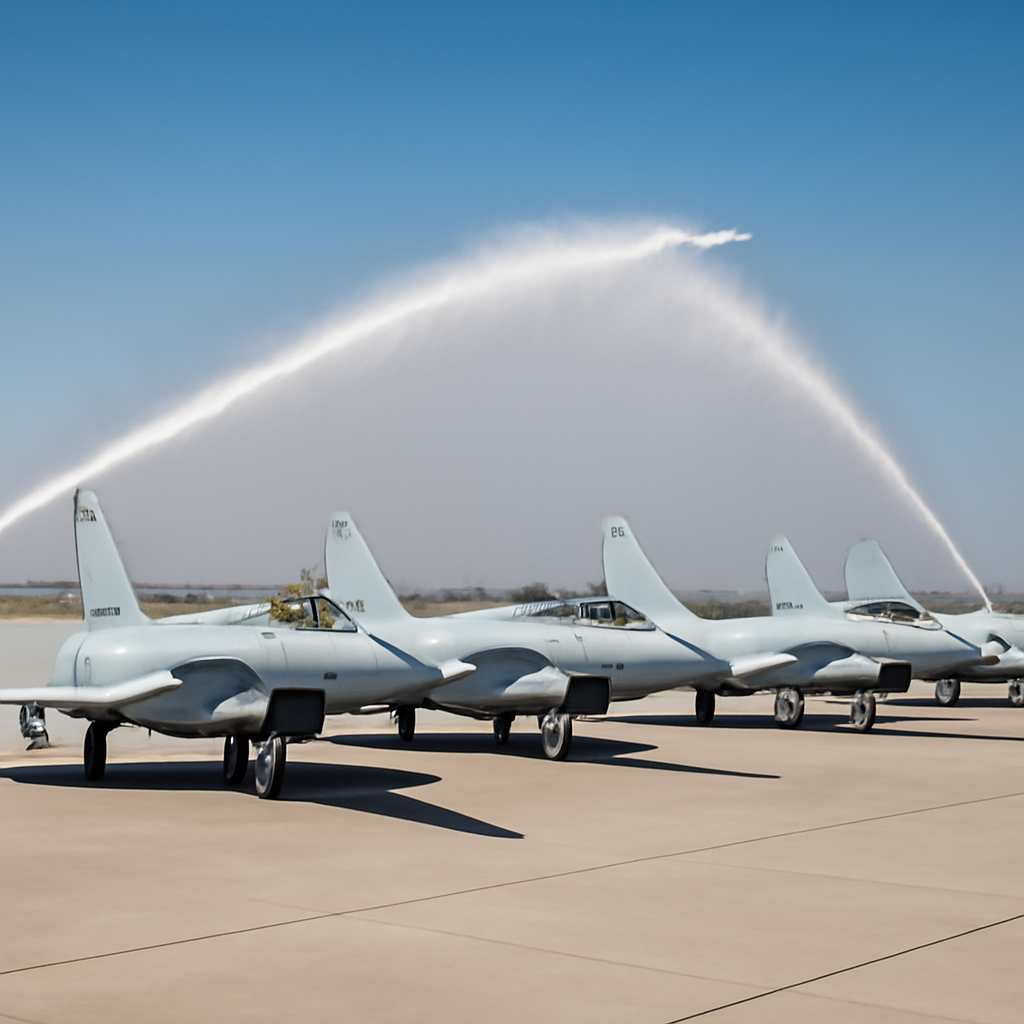
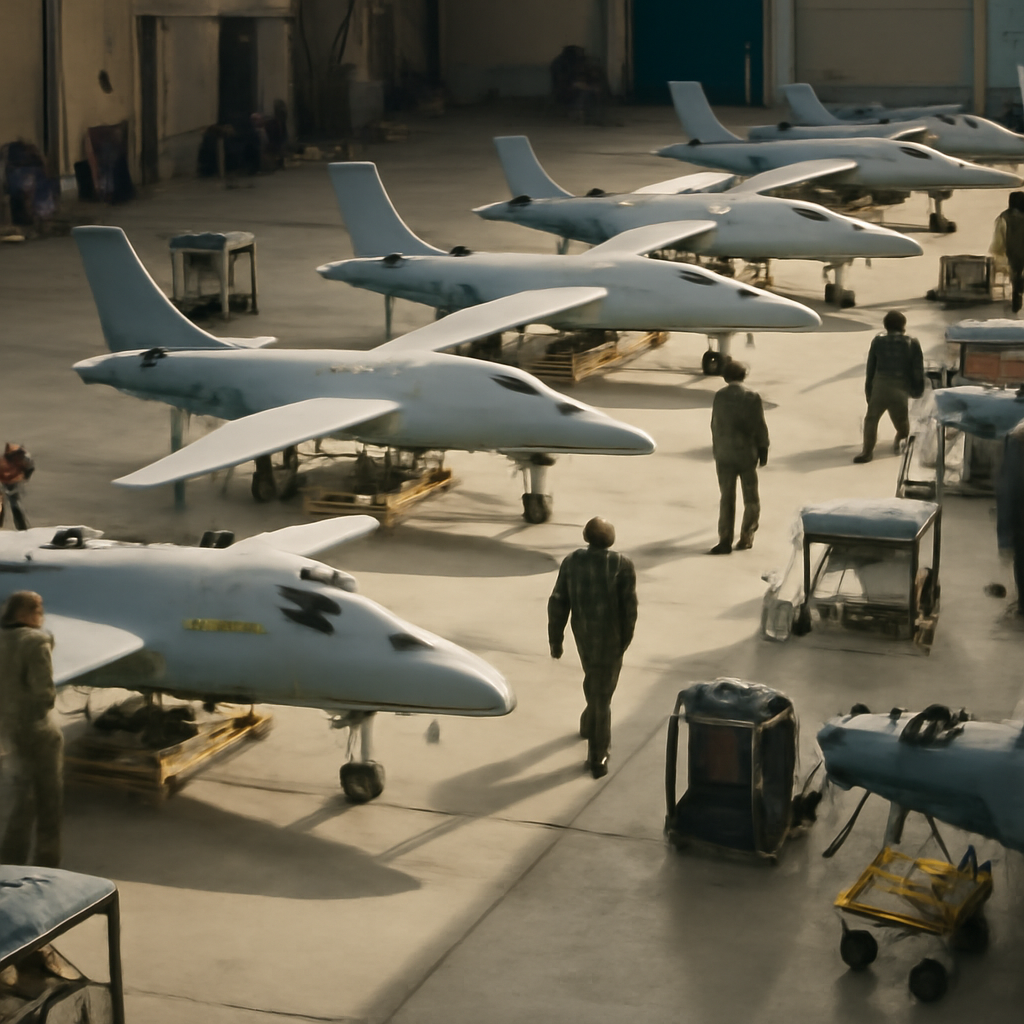
In a world where defense partnerships are increasingly defined by technological collaboration, the recent integration of Indian electronic warfare systems into the Rafale fighter jets sold to Greece marks a significant milestone. This development not only underscores the evolving dynamics of international defense procurement but also raises questions about the future of military alliances in an era of rapid technological advancement. As nations seek to bolster their defense capabilities, the collaboration between India, France, and Greece offers a compelling case study in strategic partnerships.
At the heart of this collaboration is Bharat Electronics Limited (BEL), a state-owned enterprise in India that has carved a niche in the defense electronics sector. With the Indian government holding a 51.1% stake, BEL has emerged as a key player in the global defense market, particularly in electronic warfare systems. The integration of BEL’s technology into the Rafale jets sold to Greece not only enhances the aircraft’s capabilities but also signifies a broader trend of Indian defense technology gaining traction on the international stage.
The Rafale fighter jet, manufactured by Dassault Aviation, has been a cornerstone of France’s military exports. Greece’s decision to procure these advanced aircraft, particularly in the context of rising tensions in the Eastern Mediterranean, reflects a strategic pivot towards enhancing its defense posture. The inclusion of Indian technology in this deal adds a layer of complexity, highlighting the interconnectedness of global defense supply chains and the importance of collaborative innovation.
As the geopolitical landscape shifts, the integration of Indian technology into the Rafale jets serves as a reminder of the historical context that has shaped these relationships. The defense ties between India and France have deepened over the years, with both nations recognizing the mutual benefits of collaboration. The 2016 agreement for the purchase of 36 Rafale jets by India was a watershed moment, setting the stage for future partnerships in defense technology. This latest development with Greece is a testament to the enduring nature of these ties and the potential for further collaboration in the years to come.
Currently, the integration of BEL’s electronic warfare systems into the Rafale jets is not merely a technical enhancement; it is a strategic maneuver that reflects the changing nature of military alliances. As Greece seeks to modernize its air force amid regional tensions, the addition of advanced Indian technology positions the Rafale as a more formidable asset. Official statements from both the Greek and French governments emphasize the importance of this collaboration, framing it as a step towards greater security and stability in the region.
But why does this matter? The implications of this partnership extend beyond the immediate military capabilities of the Rafale jets. For India, this collaboration represents a significant opportunity to showcase its defense technology on a global platform, potentially opening doors to further international partnerships. For Greece, the integration of advanced systems enhances its deterrence capabilities, particularly in light of ongoing tensions with neighboring Turkey. Moreover, for France, this deal reinforces its position as a leading player in the global defense market, capable of facilitating complex international collaborations.
Experts in defense technology and international relations highlight several key factors that underscore the significance of this collaboration. Dr. Anil Gupta, a defense analyst at the Institute for Defense Studies and Analyses in New Delhi, notes that “the integration of Indian technology into a platform like the Rafale not only enhances the aircraft’s capabilities but also signals India’s growing influence in the global defense landscape.” This sentiment is echoed by European defense experts who view the collaboration as a model for future partnerships, emphasizing the importance of leveraging diverse technological expertise to address complex security challenges.
Looking ahead, several trends are likely to shape the future of this collaboration. First, as defense budgets tighten globally, nations will increasingly seek to maximize the value of their procurement decisions. This could lead to more partnerships that leverage existing technologies, as seen in the Rafale deal. Second, the geopolitical landscape will continue to influence defense procurement decisions, with nations prioritizing partnerships that enhance their strategic positioning. Finally, as technological advancements accelerate, the demand for integrated systems that combine capabilities from multiple nations will likely grow, further solidifying the importance of collaborations like that between India, France, and Greece.
In conclusion, the integration of Indian electronic warfare technology into the Rafale jets sold to Greece is more than just a technical achievement; it is a reflection of the evolving nature of international defense partnerships. As nations navigate the complexities of modern security challenges, the ability to collaborate across borders will be paramount. This partnership not only enhances military capabilities but also serves as a reminder of the interconnectedness of global defense ecosystems. As we look to the future, one must ponder: how will these collaborations shape the next generation of military alliances, and what will be the long-term implications for global security?