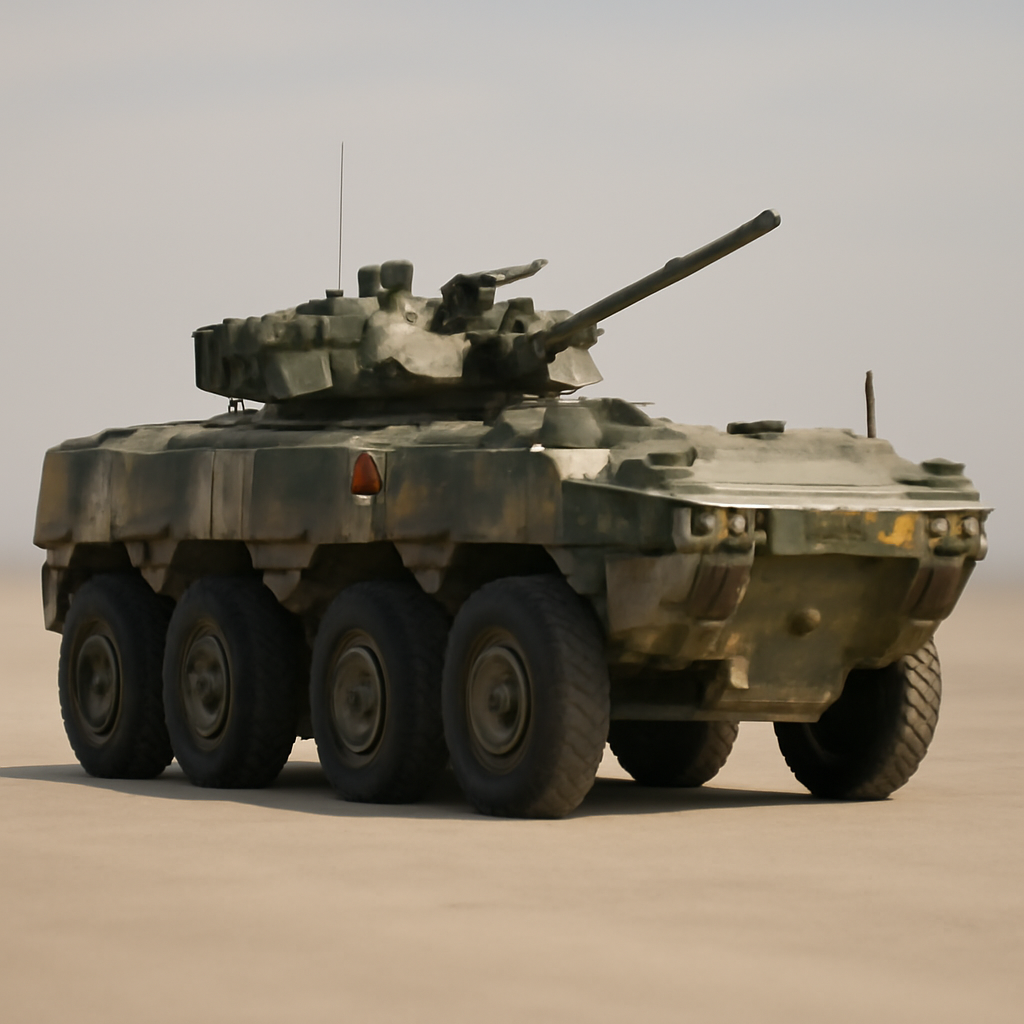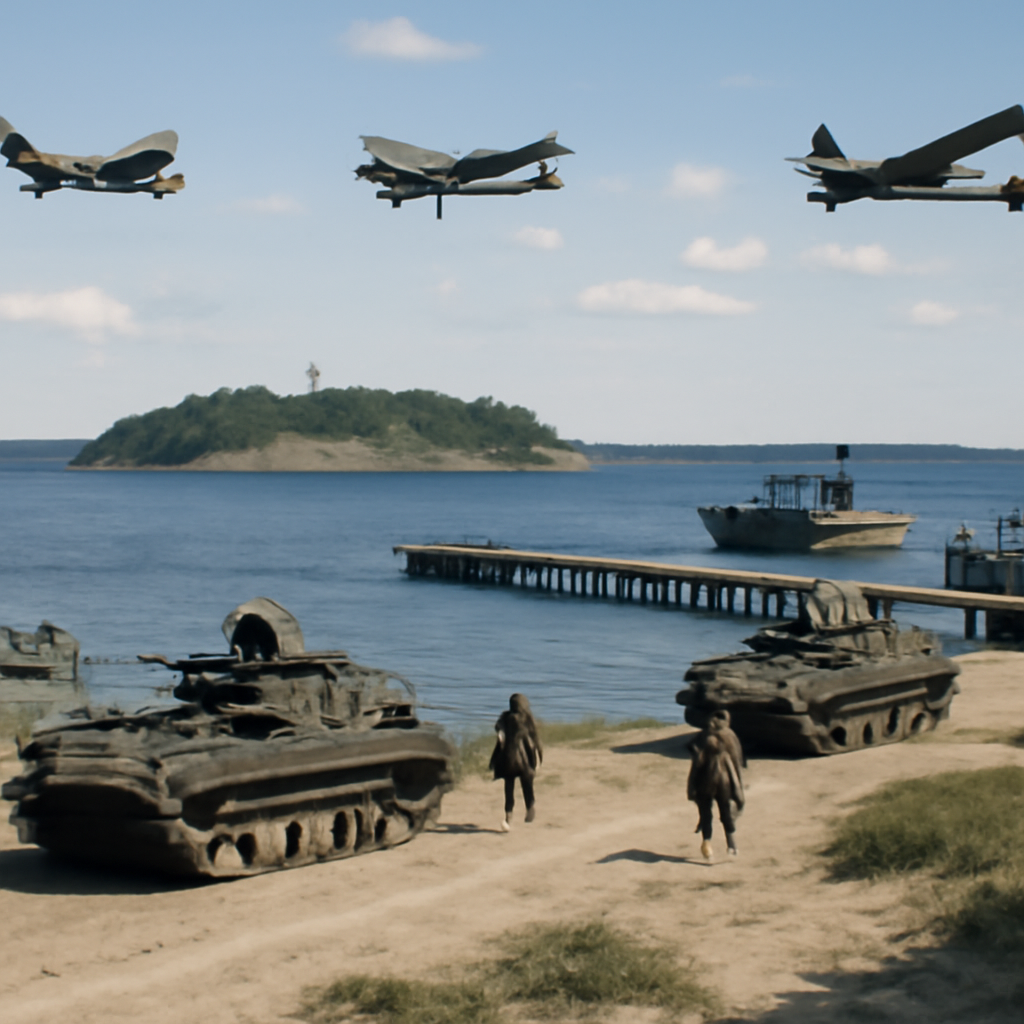
"A rapid deployment of German and Swedish forces to Gotland island is being carried out today," tweeted Försvarsmakten.
Silver Wotan 2026: scope, dates, and purpose
Silver Wotan 2026 is a joint Swedish–German exercise running from September 14–23, 2026, designed to rehearse the rapid-reinforcement process for Gotland. The scenario centers on a Swedish request for allied assistance, with German forces moving personnel and equipment across the Baltic to integrate with Swedish units already defending the island. Organizers say the drill tests movement into Visby’s port, protection of that maritime transit, and the rapid incorporation of arriving forces into Gotland’s existing defensive network.
Movement and integration: sea, air, and land in concert
The operation combines maritime, air, and land components. German and Swedish warships stand offshore while Swedish CB90 fast assault craft operate in Visby harbor; footage released during the exercise shows troops coming ashore on CB90s, a platform German soldiers are also trained to operate. Military equipment has been transported by sea to Visby, including deliveries on commercial ferries from Karlskrona. Public flight-tracking data showed German Luftwaffe transport aircraft — including at least one Airbus A400M — apparently involved, and the German Luftwaffe has also deployed Panavia Tornado aircraft for surveillance tasks. Once ashore, arriving forces move into position to be integrated with the island’s permanent garrison.

Audit-ready is a season. It shouldn't be.
Evidence in spreadsheets, controls drifting between audits, frameworks multiplying on flat headcount. Nubivance runs continuous compliance on Rapid7 Cyber GRC - SOC 2, HIPAA, ISO 27001, PCI, CMMC.
End the scrambleGotland’s defense architecture: P 18, coastal missiles, and anti-surface warfare
The Gotland Regiment (P 18) provides the core of the island’s permanent military presence and forms the basis of the ground-defense structure into which allied reinforcements are being incorporated. Swedish coastal defense capabilities, including land‑based anti-ship missiles, are active elements of the drill and give the island a direct capability to threaten hostile surface vessels operating in surrounding waters. During Silver Wotan, Swedish and German units are also conducting anti-surface warfare activities alongside the broader reinforcement work, and air-defense systems are among the equipment moved to Visby.
Germany’s contribution and NATO context
Germany is contributing more than 500 troops to the Gotland component of Silver Wotan, part of roughly 2,000 Bundeswehr personnel participating in the exercise across army, navy, and air force elements. German naval forces are present for the maritime protection and transit tasks, while ground personnel take part in reception and security operations on the island. NATO has described Gotland as strategically important to its freedom of maneuver in the Baltic; the alliance’s wider posture in the region has been shaped by a series of incidents and increased Russian activity in the Baltic theatre.
Regional security backdrop: Kaliningrad, Baltic Sentry, and allied planning
The exercise takes place against a backdrop described in the reporting as a more contested Baltic environment. The source notes Russia maintains major military infrastructure in Kaliningrad — including naval, air, missile, and air‑defense capabilities — and operates the Baltic Fleet from bases in the region. NATO launched the Baltic Sentry mission in January 2025 following a series of incidents involving critical undersea infrastructure; allied activity to monitor maritime activity and protect sea lines of communication has expanded since. The source also reports NATO describes Russia as its most significant and direct security threat and that NATO officials have warned Russian forces could rebuild enough capacity to pose a more serious conventional challenge before the end of the decade.
What this means for Sweden, Germany, and NATO
- For Sweden: Gotland remains a Swedish responsibility but has become a hub for allied reinforcement planning; P 18 and coastal missile systems are central to integrating incoming forces and denying hostile surface activity.
- For Germany: Silver Wotan is a focused test of Berlin’s ability to move and protect forces across the Baltic, using sea lift, A400M transport, and surveillance aircraft to plug into a NATO-relevant defensive posture in the region.
- For NATO: The drill is a practical demonstration of allied reinforcement and logistics under contested maritime and air conditions — a capability the alliance says is increasingly important as it balances regional planning with shifts in U.S. force posture and heightened concern about hybrid and conventional pressure in the Baltics.
Silver Wotan concentrates on the mechanics of access and integration: moving troops and systems to Visby, protecting that movement at sea and in the air, and folding arriving units into an active Swedish defense. The exercise continues through September 23, 2026, offering a live rehearsal of the exact challenges NATO planners say they must overcome to maintain freedom of movement in the Baltic as the surrounding operating environment grows more contested.