“We understand that [ground control station] compatibility is a concern for some current MQ-9A operators considering the MQ-9B, and we want to remove that issue for them,” C. Mark Brinkley, a General Atomics spokesperson, said in a company statement.
General Atomics’ Block 30 upgrade plan
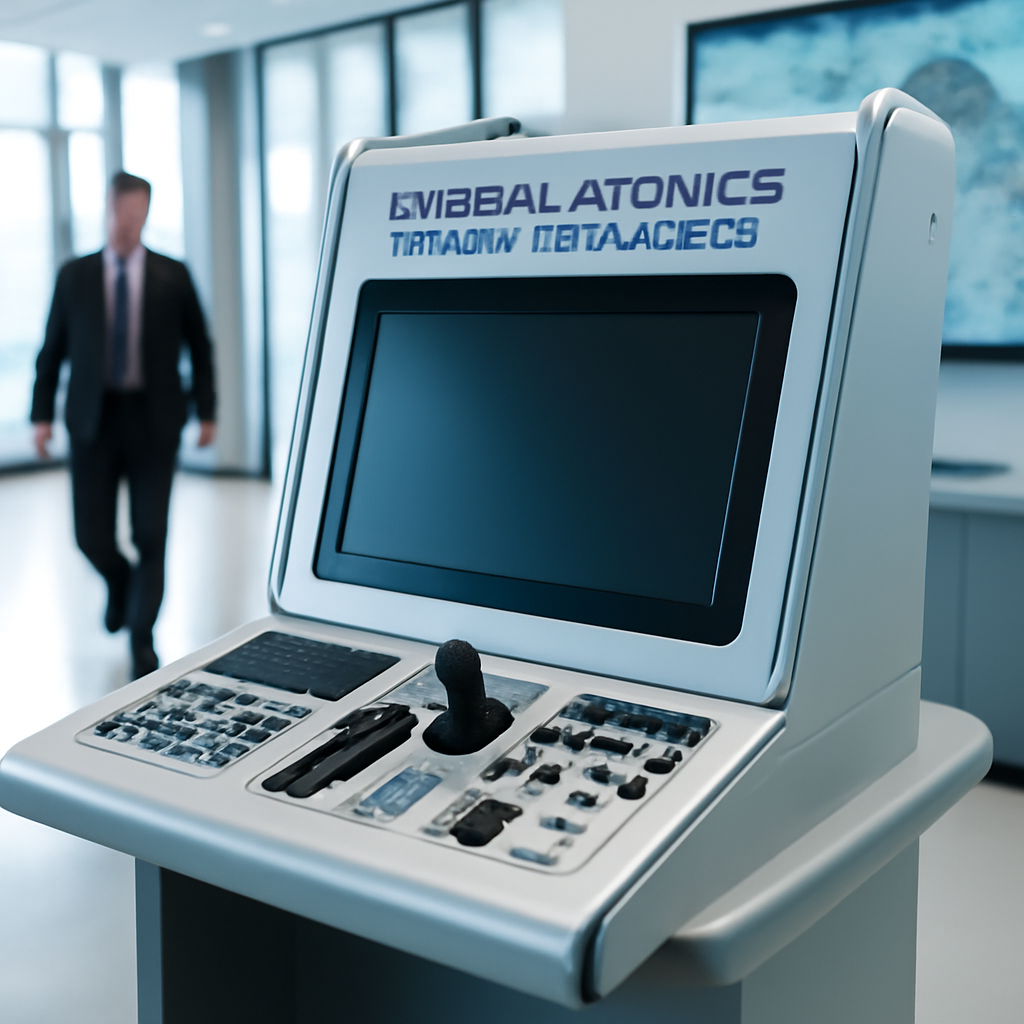
General Atomics announced plans to modify its Block 30 ground control stations — the terminals introduced in 2016 to control the MQ-9A Reaper — so they can also fly the newer MQ-9B SkyGuardian and SeaGuardian drones. The company said it will fund the upfront research and development itself and is expected to make a formal announcement this week. It also expects to begin flight testing the upgraded stations “by the end of the year.”
Technical changes to Block 30 ground control stations
According to General Atomics, the upgrade package focuses on the MQ-9B datalink capability. Hardware changes will include a new datalink rack and the company’s Interface Multiplexor Encryptor. The software stack will be modified to “interface with the unique capabilities” of SkyGuardian and SeaGuardian aircraft. Brinkley framed the package as a way for existing operators to extend the life and utility of their Block 30 terminals rather than buying entirely new consoles.

Audit-ready is a season. It shouldn't be.
Evidence in spreadsheets, controls drifting between audits, frameworks multiplying on flat headcount. Nubivance runs continuous compliance on Rapid7 Cyber GRC - SOC 2, HIPAA, ISO 27001, PCI, CMMC.
End the scrambleCertification, airspace limits, and the CGCS
General Atomics makes a distinction between the upgraded Block 30 and its certifiable ground control station, or CGCS, which was developed specifically for the MQ-9B and designed to meet “various global standards.” The company said the upgraded Block 30 “will not be certifiable in the same way the CGCS has been developed” and that the new CGCS offers a “better, more modern human‑machine interface.”
The difference matters for where the aircraft can fly. The CGCS can be used to operate the MQ-9B in both military and civilian airspaces; the Block 30 upgrade, by contrast, will constrain MQ-9A and MQ-9B flights to military airspace only. General Atomics noted it flew SeaGuardian aircraft with the Block 30 previously during development, but it emphasized the certification and human‑machine interface advantages of the CGCS.
Operators, usage, and the operational context
General Atomics lists current Block 30 users as the U.S. military, the Italian Air Force, the French Air Force, the United Arab Emirates Armed Forces, the Spanish Air Force, and the Royal Netherlands Air Force. The Air Force itself operates roughly 140 Block 30 stations to control its MQ-9As, the company said.
The company framed the upgrade as a cost and schedule benefit for those operators: “Upgrading existing Block 30s will be significantly cheaper overall than purchasing new CGCS units, and delivery will be faster,” Brinkley said. The promotional push comes as the Air Force faces pressure from Capitol Hill; provisions in the Senate Armed Service Committee’s version of the pending 2027 National Defense Authorization Act would limit the Air Force’s ability to retire MQ-9s and would direct it to acquire more by 2028.
The broader operational backdrop in the company’s statement notes heavy use — and losses — of MQ-9As “in the ongoing war on Iran,” and it cites the Air Force’s top uniformed leader describing the drone as the “most valuable player” of Operation Epic Fury.
What this means for the U.S. Air Force, current Block 30 operators, and the Senate Armed Services Committee
- The U.S. Air Force: For a service that operates roughly 140 Block 30 stations, the upgrade offers a way to migrate toward MQ-9B capability without immediate wholesale replacement of ground stations. That could preserve operational tempo while the service evaluates broader force-structure decisions.
- Current Block 30 operators (Italy, France, UAE, Spain, the Netherlands, and U.S. military units): These customers are positioned to operate mixed fleets — MQ-9A and MQ-9B — from the same terminal sooner and at lower cost than buying CGCS units, but their MQ-9B operations would remain constrained to military airspace under the upgraded Block 30 model.
- The Senate Armed Services Committee: With provisions in its 2027 NDAA draft directing additional MQ-9 purchases and limiting retirements, the committee may see the upgrade as an affordability lever that helps meet near-term acquisition targets without adding full CGCS buys.
The plan hangs on two near-term markers identified by General Atomics: the company’s announcement this week and the start of flight testing “by the end of the year.” If testing succeeds, Block 30 customers will have a cheaper, faster path to MQ-9B capability — with the trade-offs of non‑certifiable status and military‑airspace limits. The next concrete step to watch will be the results of those tests and whether customers accept the performance and operating constraints the upgrade implies.