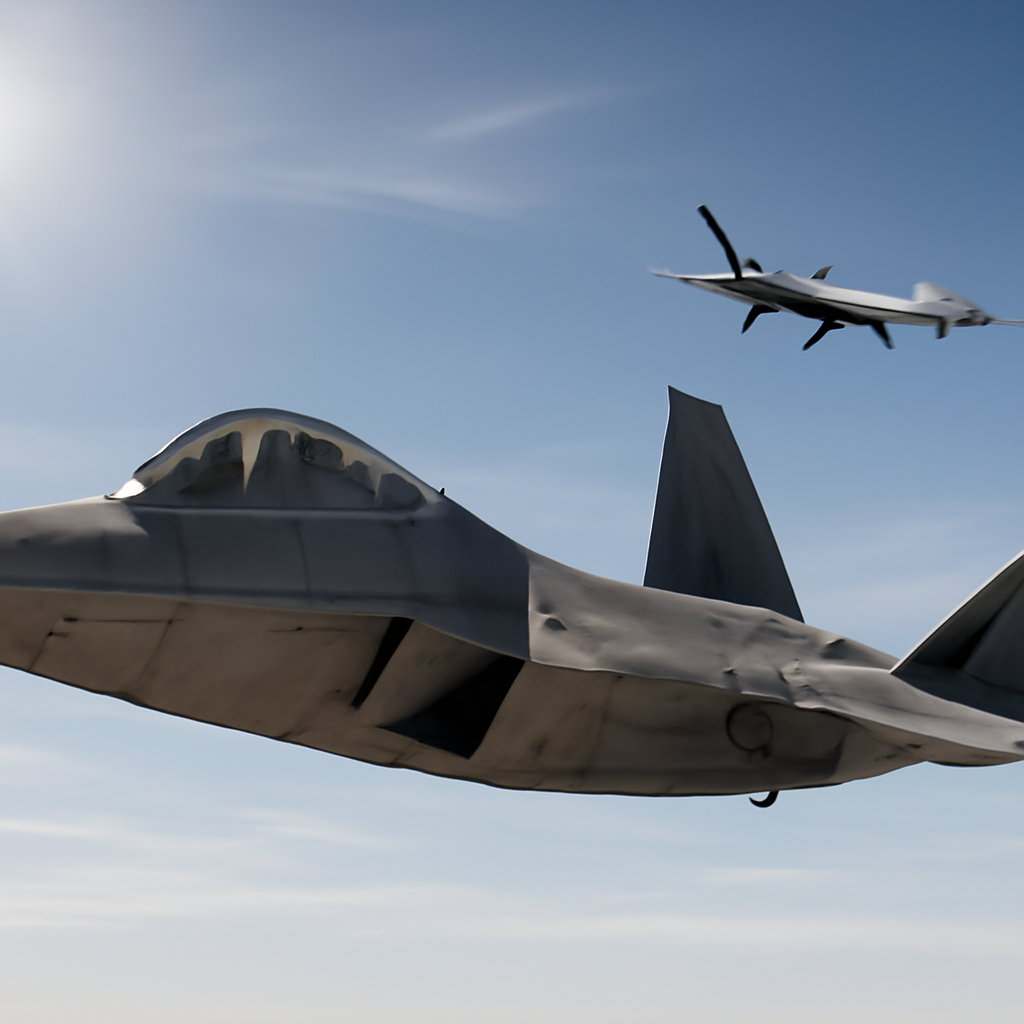
France Bolsters Ukraine’s Defense with the MV-25 OSKAR Kamikaze Drone
The conflict in Ukraine continues to evolve, with tactical advancements and strategic partnerships reshaping the battlefield. In a significant move, Ukrainian forces have recently received the MV-25 OSKAR, a state-of-the-art kamikaze drone developed by France’s KNDS France in collaboration with DELAIR and EOS Technologie. This addition to Ukraine’s military arsenal underscores not only the ongoing international support for Kyiv but also highlights the urgency of technological innovation in modern warfare.
As global tensions escalate, particularly following Russia’s invasion of Ukraine in February 2022, the imperative for enhanced military capabilities has never been clearer. The deployment of the MV-25 OSKAR symbolizes more than just military assistance; it represents a commitment from France to bolster Ukraine’s defensive capabilities against an adversary increasingly adept at asymmetric warfare tactics.
The OSKAR drone is part of the MATARIS family of unmanned aerial vehicles (UAVs) and is designed for precision strikes against high-value targets. Utilizing loitering munition technology, this drone can remain airborne for extended periods while identifying and engaging targets with high accuracy. Such capabilities are vital as Ukrainian forces adapt to the complexities of their operational environment, where traditional engagements have transformed into a mix of guerrilla warfare and high-tech confrontations.
Currently, reports indicate that Ukrainian troops have begun operational testing with this new loitering munition. The integration of advanced technologies like the OSKAR could provide Ukraine with a significant edge on the battlefield, allowing for more effective reconnaissance and targeted strikes against enemy positions while minimizing collateral damage.
This latest development raises important questions regarding its implications for both military strategy and international diplomacy. Firstly, there is a potential impact on operational dynamics within the conflict itself. Enhanced drone capabilities may shift how both Ukrainian and Russian forces plan their engagements—drones like the OSKAR enable more decentralized decision-making and rapid response to threats. From an operational perspective, this means that Ukrainian units could carry out missions with greater autonomy, decreasing their reliance on traditional command-and-control structures.
Furthermore, as Ukraine receives more sophisticated weaponry from Western allies, it presents challenges for Russian military strategy. The Kremlin may need to recalibrate its tactics in response to these innovations, potentially leading to an escalation in conflicts in other areas such as information warfare or cyber operations.
The perspective from military experts emphasizes that integrating technology such as the OSKAR into existing frameworks will require training and adaptation from Ukrainian forces. As noted by analysts familiar with drone warfare dynamics, “The successful implementation of such systems hinges not only on access to advanced technology but also on effective training protocols.” Military officials from NATO countries have recognized that ensuring proficiency in using these drones is as crucial as their deployment itself.
The geopolitical ramifications extend beyond immediate military engagements. France’s commitment to supplying advanced weaponry can be viewed within a broader context of European security strategies aimed at countering Russian influence. As European nations reassess their defense priorities amidst ongoing conflict, France’s actions may encourage other states to contribute similarly robust support to Ukraine.
Looking ahead, several key developments warrant close attention. The effectiveness of the MV-25 OSKAR will likely be scrutinized closely in combat situations—successes could lead to further orders or adaptations based on battlefield performance. In parallel, France may continue refining its defense cooperation frameworks with Ukraine and potentially expand partnerships involving other European nations or NATO allies.
As this situation unfolds, one must consider what it means for global security dynamics when countries like France step forward with tangible support amidst escalating conflicts. Are we witnessing a paradigm shift in international military collaboration? Or will these advances serve merely as stopgap measures in a protracted struggle? Only time will tell how deeply these developments will affect regional stability and influence future conflicts around the globe.
The introduction of the MV-25 OSKAR into Ukraine’s arsenal serves as a stark reminder: in warfare today, technological superiority often dictates outcomes on the ground. And as nations navigate this complex chessboard of alliances and adversaries, one thing remains clear—the stakes have never been higher.