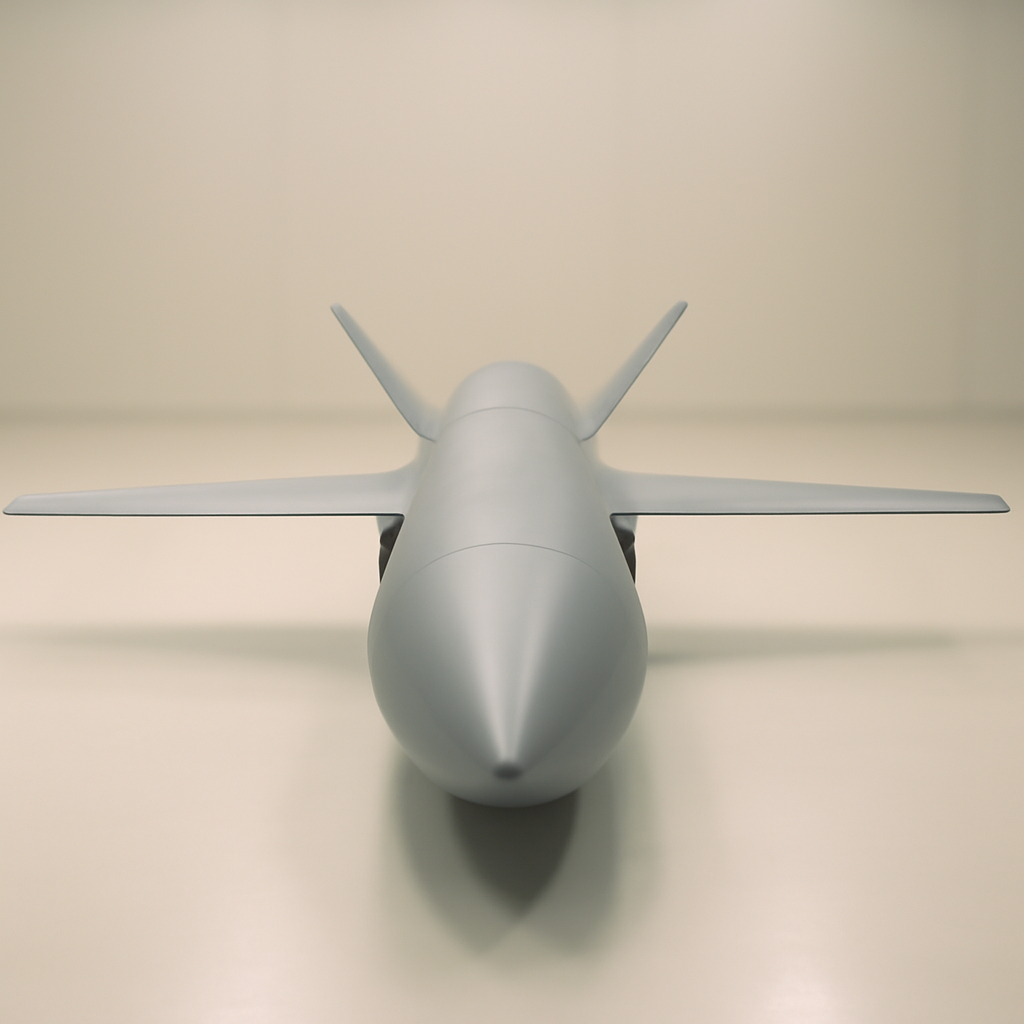
"We need to cooperate further, pool our investments and harmonize our needs. … We need to bet on Europe," Minister of the Armed Forces Catherine Vautrin told attendees at Eurosatory as she announced that France has entered into "exclusive" negotiations with MBDA and Safran to procure a long‑range artillery system to replace the aging Lance Roquettes Unitaire (LRU) launcher.
Paris moves to an exclusive deal with MBDA and Safran
The French defense ministry's announcement narrows the competition for the long‑range fires replacement program to a Franco‑European pairing. The procurement seeks a successor to the nearly obsolete LRUs, which are slated to be retired as early as 2027. The program, launched in 2023, is intended to produce a sovereign capability under the Frappe Longue Portée – Terre (FLP‑T) effort.
The Thundart system: range, speed and recent testing
The bid offered by MBDA and Safran centers on a French‑made weapon called Thundart. Manufacturer statements cited by the announcement claim a baseline range of 150 km (93 miles), with the potential to extend beyond 1,000 km (621 miles) when integrated with a Land Cruise Missile. The manufacturers also say the system is capable of high‑supersonic flight.
MBDA and Safran conducted a first live‑fire test on April 14. Following that event, an MBDA spokesperson confirmed to Breaking Defense that deliveries of the missiles could come as early as 2029 as part of the FLP‑T program.

The cyber insurance questionnaire just landed. Now what?
SOC 2, HIPAA, insurance renewals - someone has to own security strategy. Nubivance provides fractional CISO leadership without the full-time salary.
Get a security leadLockheed Martin’s HIMARS offer and its response to the decision
The exclusive opening for MBDA and Safran effectively sidelines other bidders, including Lockheed Martin, which had proposed a U.S.‑made HIMARS solution. Lockheed’s proposal included an 18‑month delivery timeline and foreseen transfers of a significant portion of launchers to Paris in 2028 to avert a shortfall if France proceeded with an off‑the‑shelf option.
After France announced the exclusive talks, Lockheed issued a statement saying, “We respect the French government’s procurement decisions and remain confident in the performance, reliability and operational value of our combat‑proven HIMARS.” The story was updated on June 15, 2026 at 10:50am ET to include that comment from Lockheed Martin.
Delivery timing and the prospect of a capability gap
Delivery schedules are central to this choice. MBDA signaled a possible delivery window beginning in 2029; the LRUs could be withdrawn as early as 2027. That gap — if the new system is not yet in production or available — is a recurring concern cited in the reporting.
Military analysts previously told Breaking Defense that selecting a sovereign European option could exacerbate timing risks. Léo Péria‑Peigné, head of the defense research unit at IFRI, warned that the “MBDA‑Thales offering is not yet in production,” which he said risks creating “a problematic capability gap in long‑range fires for France.” The comment underscores the tension between buying a domestically produced system and maintaining uninterrupted operational capacity.
How the French armed forces, MBDA/Safran, and Lockheed Martin are positioned
- French armed forces and procurement authorities: Face a narrow window before potential LRU retirement in 2027; will need to manage the transition and schedule deliveries to avoid an operational shortfall.
- MBDA and Safran: Have advanced their Thundart offering to exclusive negotiations and have completed a live‑fire test; MBDA has communicated that deliveries could begin in 2029 under the FLP‑T program.
- Lockheed Martin: Has publicly accepted France’s procurement decision while continuing to vouch for HIMARS’ performance and noting that its offer included an 18‑month delivery path and launcher transfers in 2028 to bridge capability needs.
France’s move to exclusive talks with MBDA and Safran ties the next chapter of its long‑range fires to a European industrial solution. The decision prioritizes cooperation and a sovereign system, but it sets a challenging clock: LRUs may be retired as early as 2027 while MBDA has indicated possible missile deliveries only by 2029. The central fact left on the table is practical and immediate — whether the FLP‑T schedule, production ramp‑up and live‑fire validation can converge quickly enough to prevent the "problematic capability gap" that analysts have warned about.