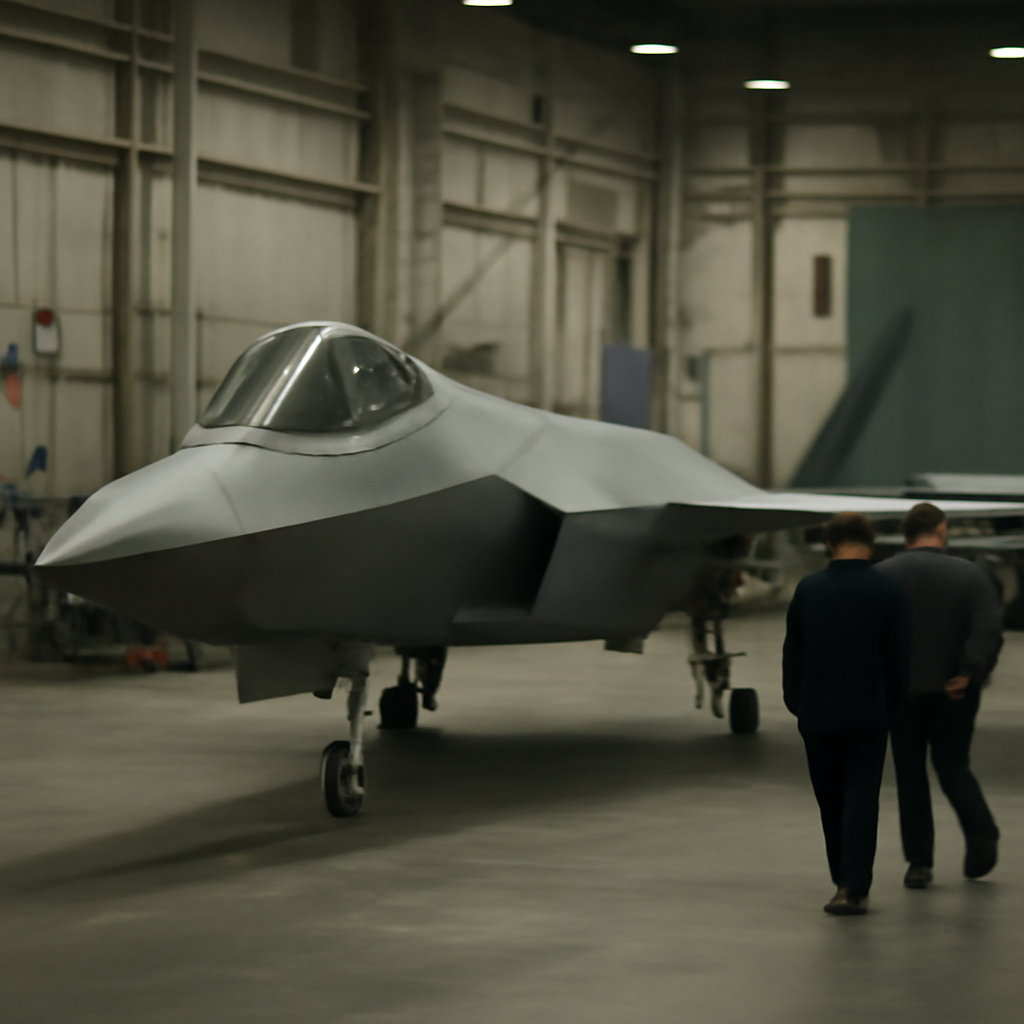
€100 billion: that is the budget stamped on the Future Combat Air System (FCAS), a multinational Franco-German-Spanish effort launched in 2017 that multiple reports say has now collapsed after industrial mediation failed between Dassault and Airbus.
German and French governments agree to terminate the program
According to reporting by Der Spiegel, Reuters, the Financial Times and others, the German and French governments have agreed to terminate FCAS, the flagship program intended to replace the Eurofighter and Rafale aircraft starting from 2040. The reports say the final decision was made by the German side. Requests for comment to the French and German governments were not immediately returned.
Dassault versus Airbus: leadership, workshare and design disputes
Since FCAS’s launch in 2017 the project has been dogged by disputes between French company Dassault and Airbus. The long-standing issues centered primarily on project leadership, how workshare would be divided, and conflicting perspectives on the future jet’s design. Industrial mediation between the two manufacturers failed on several issues, multiple reports said, and that breakdown is cited as the proximate cause of the program’s collapse.

This site is the portfolio.
OSINTSights runs on Cloudflare Workers, D1, R2, and Vectorize, with an AI pipeline on Hetzner ARM. Nubivance designed, built, and operates it. We do the same for clients.
See what we buildFriedrich Merz proposes to salvage the combat cloud
The Financial Times reports that German Chancellor Friedrich Merz has proposed the partner nations continue to jointly develop the so-called combat cloud communication network. The combat cloud is described in reporting as a software architecture that would connect sensors, radars, drones and other components — and, if integrated, would act as the driving force of the project even without a single common crewed fighter aircraft.
Uncertain fate for drones, engines and the New Generation Fighter
The viability of other FCAS components — including drones and engines acting independently of a core crewed aircraft — remains uncertain, the reporting says. Breaking Defense reported earlier, in March, that manufacturers were attempting a last-ditch effort to align on a common approach regarding the New Generation Fighter (NGF); that outlet also reported Airbus had supported an alternative two-fighter-jet approach, while France insisted on an aircraft capable of carrying nuclear weapons. With mediation having failed, those alternative concepts and peripheral subsystems now face unclear futures.
What this means for defense planners, Dassault and Airbus, and taxpayers
- Defense planners: The termination agreement between governments raises immediate questions about plans to replace the Eurofighter and Rafale beginning in 2040 and which platforms or timelines will fill that gap if FCAS does not proceed as intended.
- Dassault and Airbus: The two manufacturers will confront unresolved decisions on leadership, workshare and design that mediation could not settle; their next steps will determine whether components such as the combat cloud, drones or engines can proceed in alternative industrial or bilateral frameworks.
- Taxpayers: The program’s reported price tag — €100 billion since its 2017 launch — and the public accounting of broken mediation will focus attention on cost, deliverables and whether investments to date can be salvaged through narrower or software-led follow-ons like the combat cloud.
The public record in these reports is stark: after nearly a decade of planning and a headline cost estimate, industrial disagreement over leadership and design choices appears to have undone a major multinational effort. Whether the combat cloud proposal offered by Chancellor Friedrich Merz will be sufficient to preserve elements of the program — or whether separate national paths or other partnerships will follow — remains the central unanswered question that the governments and manufacturers will now have to resolve.
Source: Breaking Defense — Franco-German-Spanish FCAS fighter program dead: Reports