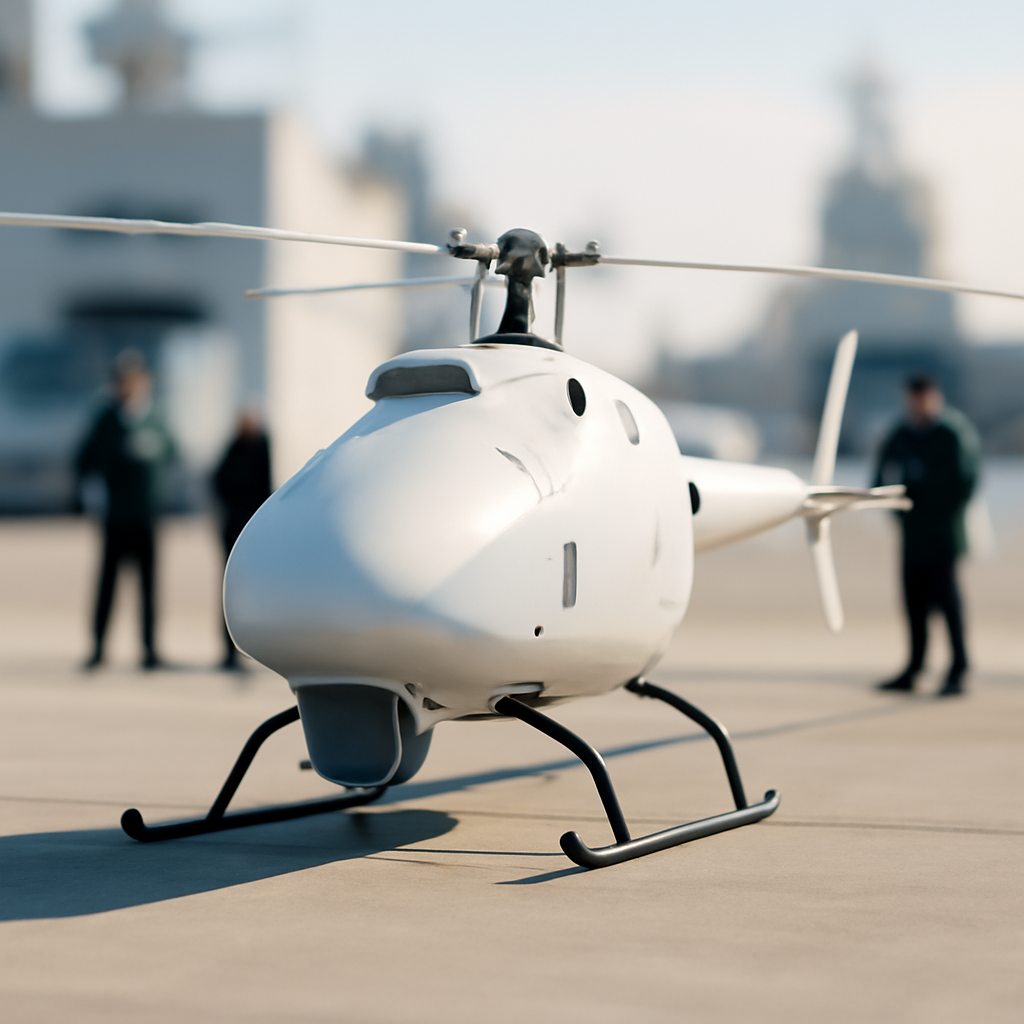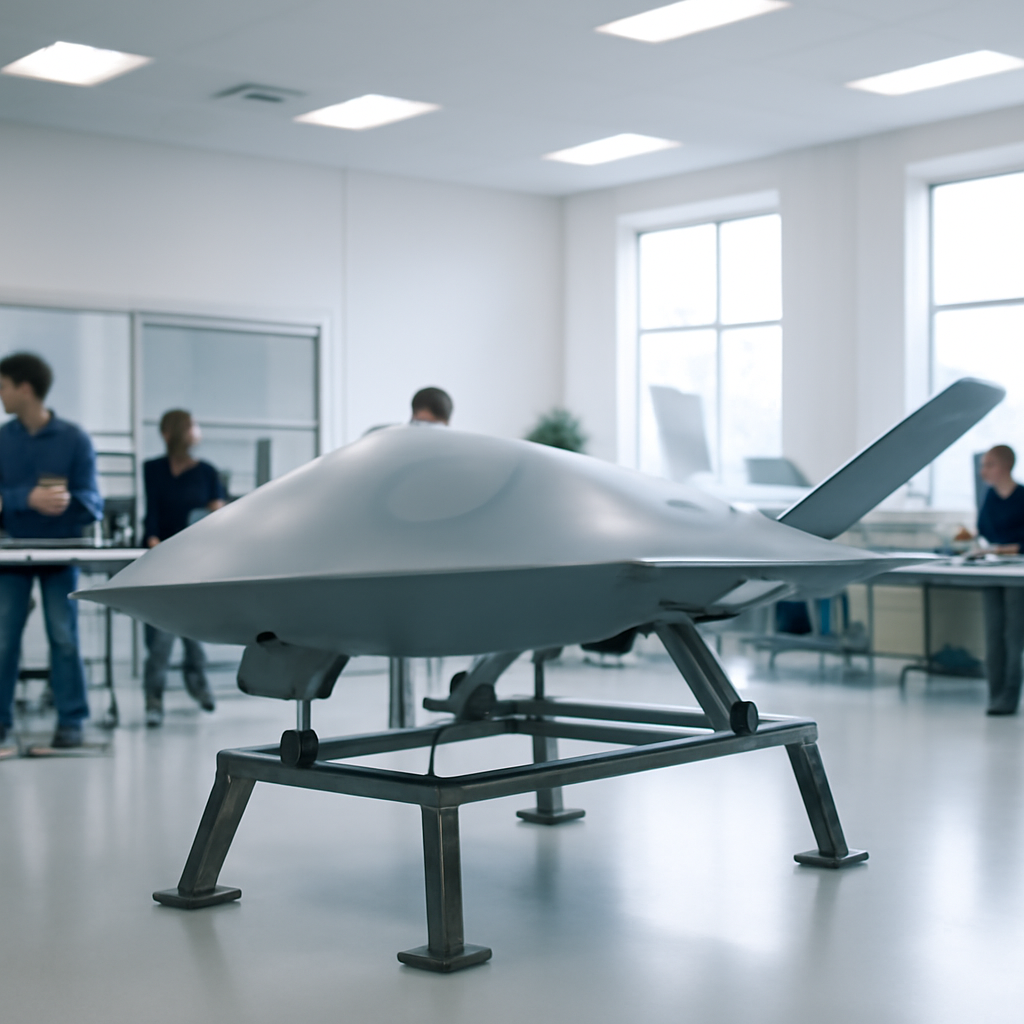
“Ukraine itself has reported that Russia’s use of jet-powered Geran-4/5s now exceeds its utilization of piston-powered Geran-3s.”
MSPO 2026: Europe’s pivot to low-cost, scalable surface-to-air missiles
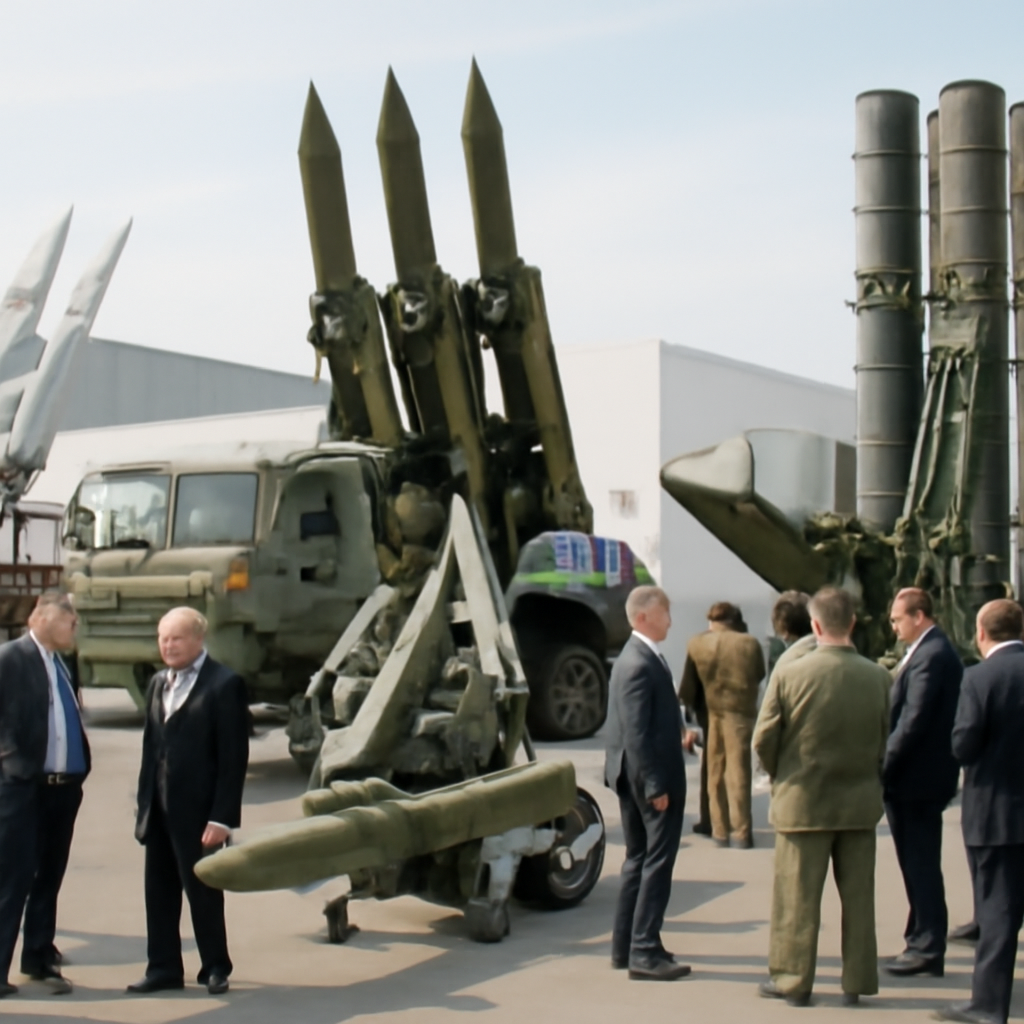
At Poland’s 34th International Defence Industry Exhibition (MSPO 2026), European vendors and customers presented a clear, shared conclusion: effective, low-cost air-defence solutions are a major priority. Unlike market approaches that lean on interceptor drones and anti-air guns (AAG), the European trend on display is to tune surface-to-air missiles (SAMs) so they can scale down to defeat drones while remaining able to engage cruise missiles as well.
Why cruise missiles changed the calculus
The Russia-Ukraine War, the source says, has been “the cradle for understanding how today’s actual and tomorrow’s conflicts will unfold” — and within that crucible cruise missiles have emerged as the dominant strike instrument. Subsonic cruise missiles are characterized in the source material as a “scalable and potent long-range attack option.” For defenders, this class of weapon is “not easy to stop at scale without SAMs,” a constraint that has driven Europe’s emphasis on tailor-made, lower-cost SAMs able to address both cheap, massed cruise effects and higher-end threats.

This site is the portfolio.
OSINTSights runs on Cloudflare Workers, D1, R2, and Vectorize, with an AI pipeline on Hetzner ARM. Nubivance designed, built, and operates it. We do the same for clients.
See what we buildLower-cost cruise missiles and the evolving threat set
That threat is not limited to a handful of high-end systems. The analysis notes that subsonic cruise designs have diversified: beyond established weapons such as SCALP and Tomahawk, there are now simpler low-cost designs. Named examples include MBDA Crossbow and Russia’s Geran-5, and reworked tailless delta loitering munitions like MBDA’s Deluge and Russia’s Geran-4. The piece also reports that Ukraine is developing its own comparable low-cost cruise missiles, “like the BARS.” Taken together, these trends increase both the numbers and types of air-breathing, standoff threats that defenders must counter.
Pakistan’s current point-defence posture
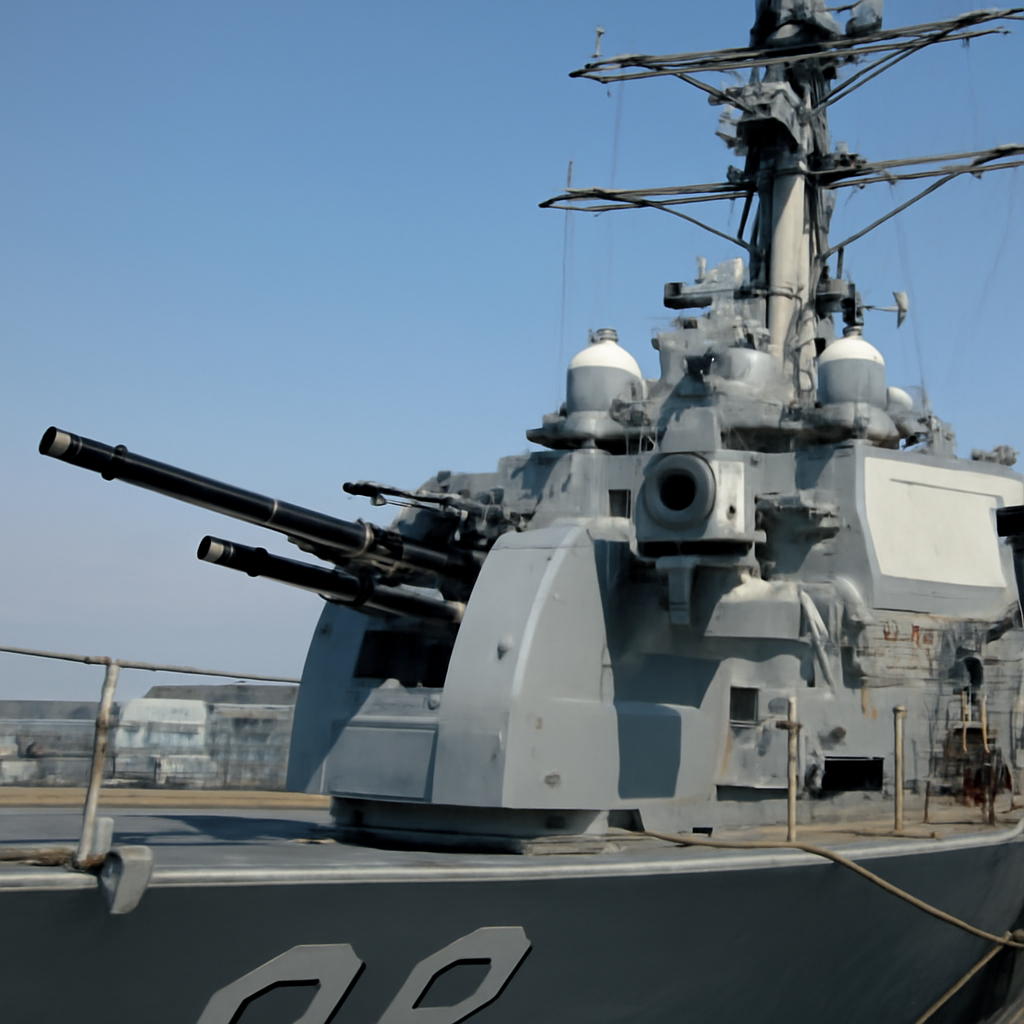
The report contrasts Europe’s SAM-centric adjustment with other markets that currently rely more on interceptor drones and anti-air guns (AAG). Pakistan is cited as an example of such a market. In other words, Pakistan’s point-defence approach — as described in the source material — prioritizes interceptor drones and AAG rather than the low-cost SAM developments being pushed in Europe.
How European developments are likely to land in South Asia, and what that means for procurement
Europe’s decision to “frontload low-cost SAM development,” per the source, is expected to ripple outward. The analysis projects that the shift toward lower-cost, scalable SAMs will “extend well beyond Europe and, in all likelihood, begin emerging in other regions as well, especially in South Asia.” For procurement leaders and policymakers in South Asia, including Pakistan, the implication from the report is straightforward: a changing threat landscape — fuelled by proliferating low-cost cruise missiles — creates pressure to reassess reliance on interceptor drones and AAG in favor of layered SAM solutions that can handle massed, subsonic threats.
What this means for technologists, policymakers, and militaries in South Asia
- Technologists and defence planners: Expect requirements that prioritize missile scalability and cost-per-engagement as much as raw performance. Europe’s focus suggests design work will emphasize missile variants that can be fielded affordably to cope with quantity-based attacks.
- Policymakers and procurement leaders in Pakistan: The report signals a strategic choice point — maintain existing interceptor-drone/AAG doctrine or shift procurement priorities toward SAMs that claim better performance against subsonic cruise missiles at scale.
- Regional militaries and end users: With the proliferation of simpler LCCMs (low-cost cruise missiles) like the ones named in the source — MBDA Crossbow, Geran family, Deluge, BARS — operational planning will need to account for higher sortie and munition volumes, not just higher single-shot lethality.
Europe’s exhibition-floor emphasis and the combat reporting from Ukraine together frame a narrow but consequential argument: as attackers adopt cheaper, more numerous cruise and loitering weapons, defenders who rely chiefly on interceptor drones and anti-air guns face growing operational and fiscal strain. The alternative Europe is promoting — scalable SAMs designed for a range of targets from drones to cruise missiles — offers a different trade-off between unit cost, engagement capacity, and battlefield utility.
Whether Pakistan and other South Asian buyers follow that path is not a prediction made in the source, only a possibility: the analysis concludes the shift “will extend well beyond Europe and, in all likelihood, begin emerging in other regions as well, especially in South Asia.” If that likelihood materializes, procurement decisions in Islamabad and across the region will be testing grounds for a new generation of point-defence thinking born in Europe’s response to battlefield realities observed in Ukraine.
Original story: https://quwa.org/pakistan/market-intelligence/analysis-pakistans-point-defence-anti-air-requirement/