“I am certain that the European Commission will not make proposals to meet Ukraine’s financing needs through a new operation linked to Russian assets,” Belgian Prime Minister Bart de Wever told reporters on Oct. 21.
What’s at stake for Kyiv: a projected €70 billion shortfall for 2027
European leaders will meet in November to discuss ways to fill a projected €70 billion budget deficit for Ukraine in 2027. Western financial aid — €170 billion ($189.5 billion) since 2022, according to the Kiel Institute — has been central to keeping Kyiv afloat since Russia’s wider invasion. But fresh pressures on European budgets and dwindling contributions from at least one big donor mean the gap looks harder to close.
How the EU loan plan has unfolded: €90 billion through 2027 and slow disbursement
Earlier this year the EU approved a plan to lend Ukraine €90 billion through 2027, with roughly two‑thirds of that allocated to weapons purchases and the remainder to budgetary support. Around €14 billion has been disbursed to date; the EU expects that figure to grow to about €45 billion by year‑end. Even so, Russian attacks on critical infrastructure and other stresses leave Kyiv facing the roughly €70 billion shortfall for 2027.

Your town's IT department is one person. Maybe.
Ransomware crews target small municipalities because nobody's watching. Nubivance gives Maine and New Hampshire towns a security program sized to a town budget.
Protect the town officeEuropean rearmament, debt and inflation are crowding out aid
European governments are increasing defense spending even as public finances deteriorate. NATO’s European members averaged roughly 1.6 percent of GDP on defense in 2021, below the alliance’s then target of 2 percent; the alliance has since boosted its goal to 2.5 percent of GDP and committed to raising “core” defense expenditure to 3.5 percent over the next decade. At the same time, eurozone countries have an average debt‑to‑GDP ratio of nearly 89 percent (nearly 83 percent for EU nations generally) and face weak growth: the IMF projects eurozone growth of 1.1 percent in 2026. Annual inflation in the eurozone rose to 3.8 percent in September, above the ECB’s 2 percent target; the ECB raised interest rates at its June and September meetings and is expected to deliver another hike at one of the year’s two remaining meetings. Those financial pressures increase governments’ debt‑service costs and make it politically more difficult to expand aid while simultaneously financing domestic rearmament.
Frozen Russian assets: numbers, legal fights, and political blockage
One obvious option under discussion is converting frozen Russian government securities into a loan for Kyiv. After Russia’s 2022 invasion the G7 froze Russian government securities held abroad, impounding as much as $300 billion, including about €210 billion in the European financial system. The EU has already used interest income on those securities to support Ukraine, generating about €8 billion: €3.8 billion has been delivered to Ukraine, and €4.2 billion has been reserved to repay EU or G7 loans.
But converting principal into a formal loan has stalled on legal and political grounds. Belgium, custodian of much of the funds housed at Euroclear, blocked a 2025 proposal because it feared bearing the legal and financial risk alone. Earlier this year the Bank of Russia sued Euroclear in a Russian court; the court backed Russia’s challenge two months later but lacks jurisdiction to enforce the judgment. “Concern over the legal risks means Brussels will likely stymie the proposal again,” the reporting concluded, and Mr. de Wever’s Oct. 21 statement reinforced Belgium’s public opposition.
Ukraine’s security needs: depleted interceptors and a high production rate of Russian drones
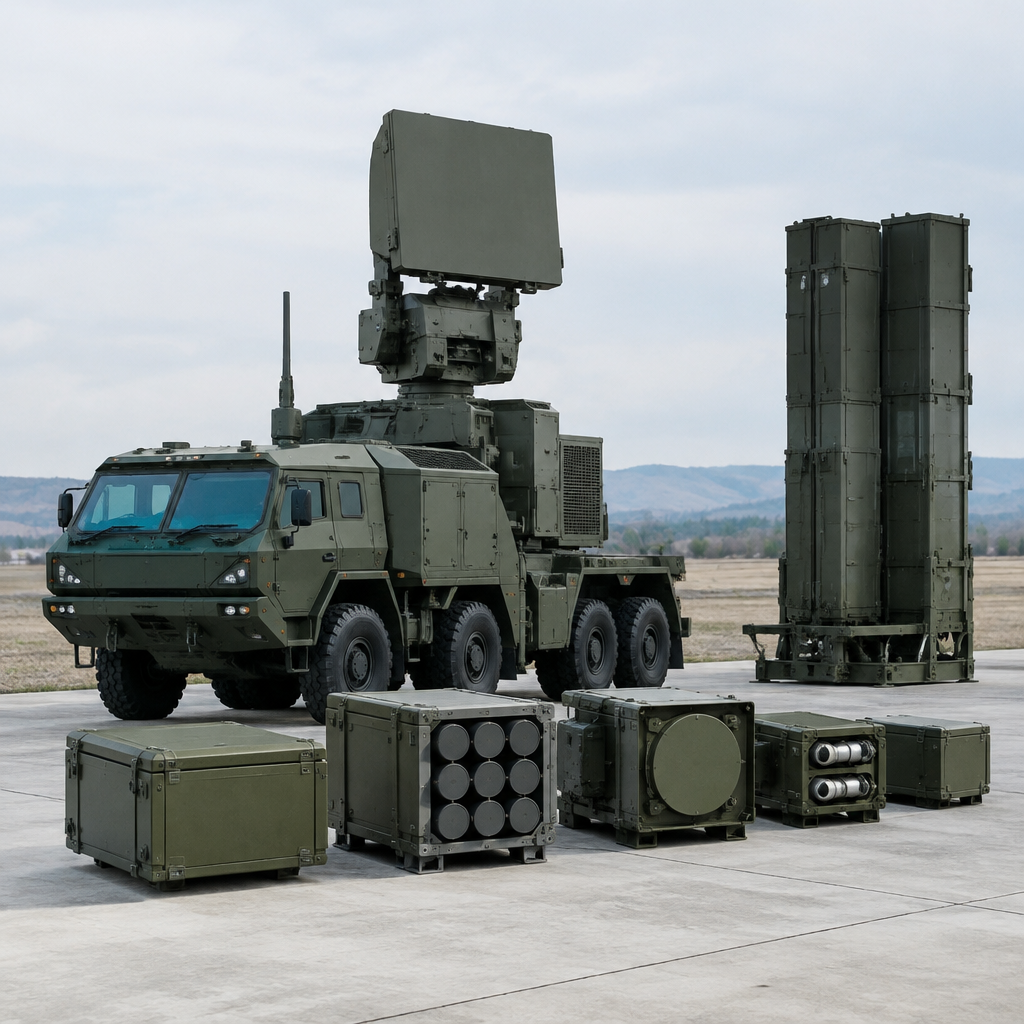
Ukraine has largely exhausted its stockpile of interceptors, leaving its cities and energy grid more vulnerable to attack. The Ukrainian military intelligence agency HUR recently estimated that Russia can produce 10,000 long‑range strike drones and decoys each month. Mounting damage from such strikes increases Ukraine’s financial needs as it scrambles to keep the lights on and the economy functioning.
What this means for EU member governments, Kyiv, and Belgium/Euroclear
- EU member governments: They must balance increased defense spending commitments — driven by NATO targets and summit pledges — with strained public finances, high inflation, and weak growth, making large new aid packages politically and fiscally difficult.
- Kyiv: Faces an immediate financing gap of roughly €70 billion for 2027 even as it contends with depleted interceptor stocks and sustained attacks on critical infrastructure that raise reconstruction and operating costs.
- Belgium/Euroclear: As custodian of a large portion of frozen Russian assets, Belgium’s stated unwillingness to authorize conversion of those assets into a loan—citing legal and financial risk—blocks one of the most direct ways to generate new funding for Ukraine.
European leaders arrive in November with a narrow set of options. The EU’s €90 billion loan framework has begun to flow, but not at the scale Kyiv needs for 2027; the U.S. has drastically cut aid under the second Trump administration, the EU is pressing other partners to increase contributions, and a politically fraught asset‑conversion plan is likely to be stymied again by custody and legal concerns. The next meeting will test whether governments can reconcile mounting domestic pressures, renewed rearmament, and Kyiv’s urgent fiscal and security needs.
Source: Defense One — Financial aid for Ukraine is getting harder to find