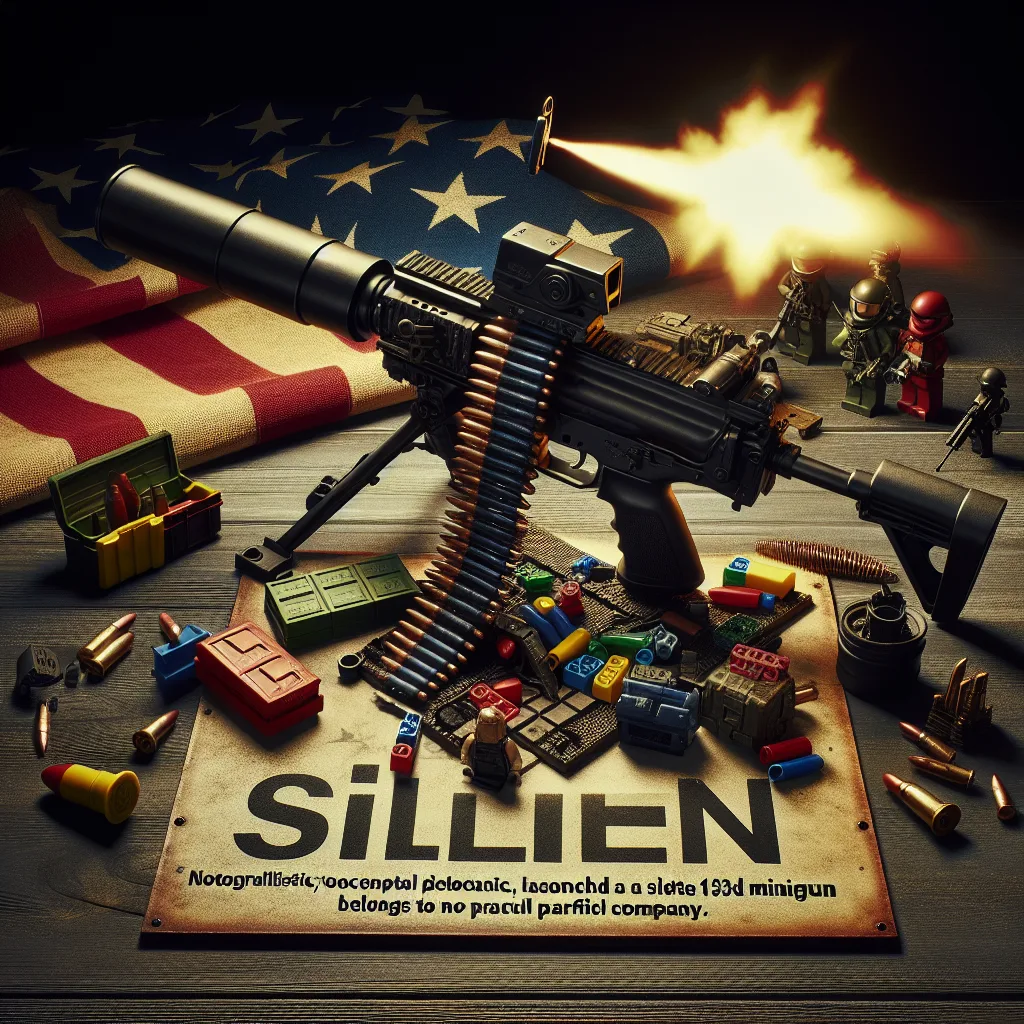
Dillon Aero Launches Silenced M134D Minigun
Overview
The recent unveiling of the silenced M134D minigun by Dillon Aero marks a significant advancement in military weaponry, particularly in the realm of tactical operations. This innovation is not merely a technical upgrade; it represents a paradigm shift in how armed forces approach combat scenarios where stealth and precision are paramount. The implications of this development extend beyond the battlefield, affecting military strategy, operational effectiveness, and even international relations.
Background & Context
The M134D minigun, a six-barrel rotary machine gun, has been a staple in military arsenals since its introduction in the 1960s. Known for its high rate of fire and reliability, it has been deployed in various conflicts, proving its worth in both ground and aerial operations. However, the increasing emphasis on stealth in modern warfare has necessitated innovations that reduce the auditory signature of weapon systems.
As military engagements evolve, the need for quieter, more discreet operations has become critical. The introduction of suppressors to the M134D is a response to this demand, allowing operators to engage targets with reduced risk of detection. This development is particularly relevant in urban warfare and counter-terrorism operations, where noise can compromise mission success and endanger lives.

This site is the portfolio.
OSINTSights runs on Cloudflare Workers, D1, R2, and Vectorize, with an AI pipeline on Hetzner ARM. Nubivance designed, built, and operates it. We do the same for clients.
See what we buildCurrent Landscape
The live-fire demonstration in Nevada showcased the silenced M134D minigun, drawing attention from military observers and defense analysts alike. The system’s suppressor is designed to significantly diminish both sound and muzzle blast, enhancing the operator’s ability to conduct covert operations. This innovation aligns with broader trends in military technology, where the integration of advanced materials and engineering techniques is leading to more effective and versatile weapon systems.
Current military conflicts, particularly in urban environments, highlight the necessity for such advancements. The ability to engage targets without alerting nearby adversaries or civilians can be the difference between mission success and failure. Moreover, the growing prevalence of asymmetric warfare, where non-state actors employ guerrilla tactics, underscores the importance of stealth in modern combat.
Strategic Implications
The introduction of the silenced M134D minigun carries profound strategic implications for military operations. Firstly, it enhances mission outcomes by allowing for precision strikes with minimal collateral damage. This capability is crucial in environments where civilian presence is high, as it reduces the likelihood of unintended casualties and the subsequent political fallout.
Secondly, the innovation poses new risks. As adversaries become aware of the capabilities of suppressed weaponry, they may adapt their tactics to counteract these advancements. This could lead to an arms race in countermeasures, where both sides invest in technologies designed to detect or neutralize suppressed systems.
Furthermore, the geopolitical landscape may shift as nations seek to acquire or develop similar technologies. The ability to conduct operations with reduced noise could enhance a nation’s strategic posture, making it a more formidable player on the global stage. This could lead to increased tensions as countries vie for technological superiority in military capabilities.
Expert Analysis
From an analytical perspective, the launch of the silenced M134D minigun can be seen as a reflection of broader trends in military innovation. The integration of suppressors into established weapon systems is not merely a technical enhancement; it signifies a shift in military doctrine towards more nuanced and adaptable approaches to warfare. As conflicts become increasingly complex, the ability to operate discreetly will likely become a defining characteristic of successful military operations.
Moreover, the implications of this development extend beyond the battlefield. The psychological impact on both operators and adversaries cannot be understated. For operators, the confidence that comes with using a suppressed weapon can enhance performance and decision-making under pressure. For adversaries, the fear of unseen threats can alter their behavior and tactics, potentially leading to a more cautious approach in engagements.
Recommendations or Outlook
In light of the strategic implications of the silenced M134D minigun, several actionable steps can be recommended for military policymakers and defense strategists:
- Invest in Research and Development: Continued investment in suppressor technology and other innovations will be crucial to maintaining a tactical edge. This includes exploring materials that further reduce weight and enhance durability.
- Training and Doctrine Development: Military training programs should incorporate the use of suppressed weapons into their curricula, emphasizing the tactical advantages and operational considerations of stealth engagements.
- International Collaboration: Engaging with allied nations to share insights and best practices regarding suppressed weaponry can foster stronger military partnerships and enhance collective security.
- Monitor Adversary Developments: Keeping a close watch on how adversaries adapt to suppressed systems will be essential for staying ahead in the arms race of military technology.
Conclusion
The launch of the silenced M134D minigun by Dillon Aero is more than just a technological advancement; it represents a critical evolution in military strategy and operational capability. As armed forces around the world adapt to the realities of modern warfare, innovations like this will play a pivotal role in shaping the future of combat. The question remains: how will nations respond to this shift, and what new dynamics will emerge in the ever-evolving landscape of global security?