Can a $1.5 trillion defense budget make it to the president’s desk unscathed when operations in Iran, the coming midterm elections, and intraparty fights within the GOP all loom large? The three forces named by reporting as potential disruptors lay out a narrow, uncertain corridor for that budget’s passage.
The immediate fact pattern
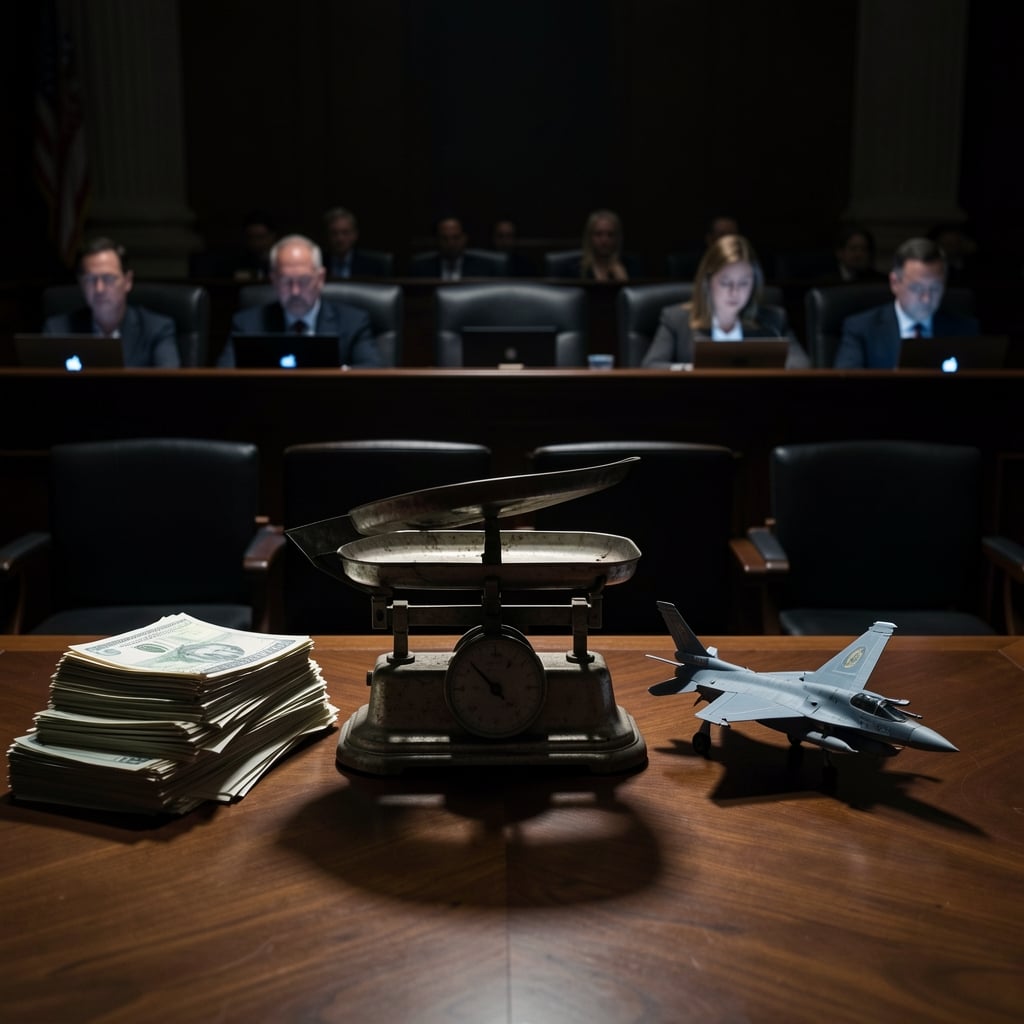
The proposal at the center of this report is a $1.5 trillion defense budget tied to President Donald Trump. According to the reporting, three broad developments — operations in Iran, midterm elections, and GOP intraparty politics — could all complicate the budget’s path to the president’s desk.
Three vectors of complication
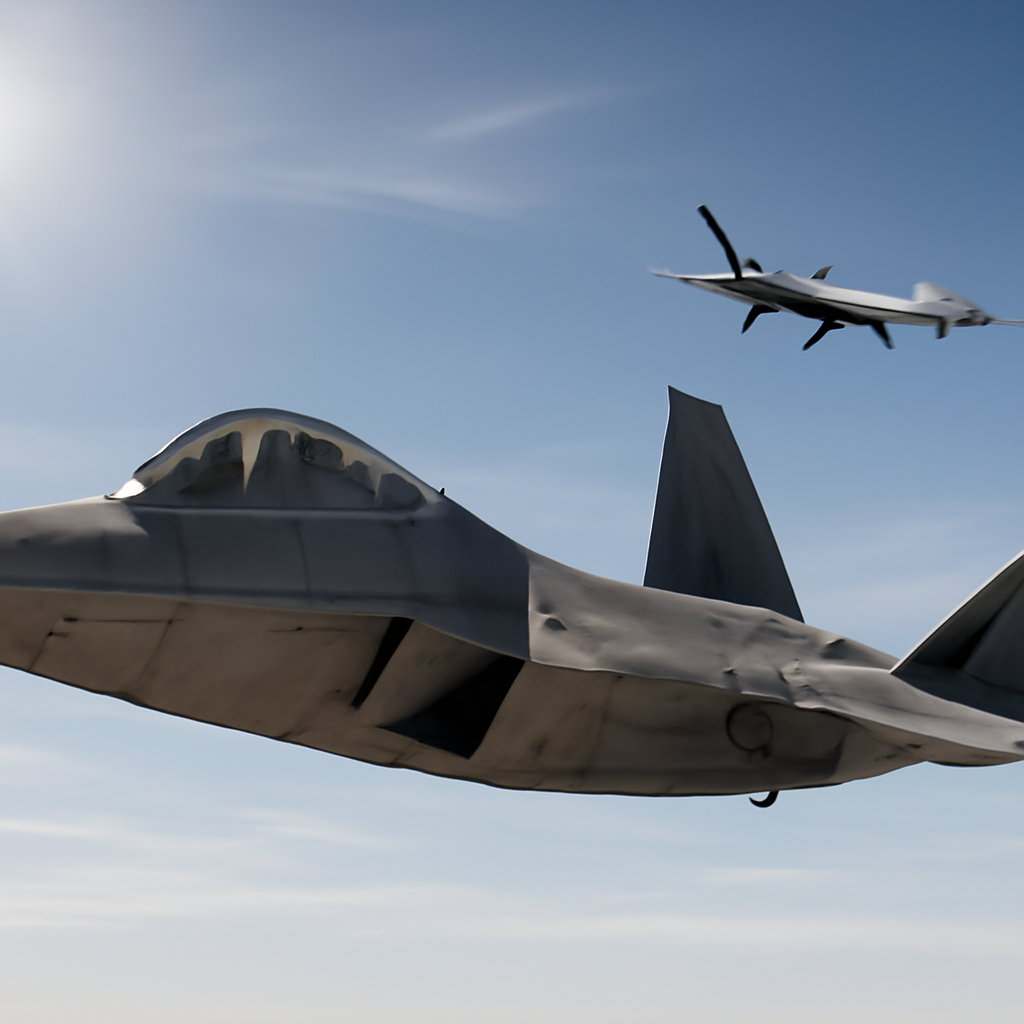
- Operations in Iran: The reporting identifies ongoing operations in Iran as one of the factors that could complicate the budget’s trajectory. How those operations interact with legislative timing and priorities is described as a complicating element.
- Midterm elections: The midterm elections are singled out as another source of complication for the budget’s passage, suggesting electoral dynamics could affect lawmakers’ willingness or ability to move the measure forward.
- GOP intraparty politics: Fractures or disputes within the Republican Party are named as a third potential obstacle, implying that internal political disagreements could hinder consensus on the defense funding proposal.

Audit-ready is a season. It shouldn't be.
Evidence in spreadsheets, controls drifting between audits, frameworks multiplying on flat headcount. Nubivance runs continuous compliance on Rapid7 Cyber GRC - SOC 2, HIPAA, ISO 27001, PCI, CMMC.
End the scrambleWhy this convergence matters
The reporting frames these three developments together as capable of creating friction around a major budgetary measure. Taken collectively, operations in Iran, midterm electoral pressures, and intraparty disagreements within the GOP are presented as interlocking risks to a single outcome: the successful movement of a $1.5 trillion defense budget to President Donald Trump’s desk.
Where this leaves observers
Observers are left to watch how each of the three named forces plays out and whether one will dominate the calendar or the political conversation. The reporting suggests that any one of them — or a combination — could complicate the budget’s path, leaving the timing and certainty of enactment in question.
If operations abroad, electoral turbulence at home, and internal party strife can all unsettle a major appropriation, what remains of steady, predictable defense funding when the political and operational environments tilt at once?