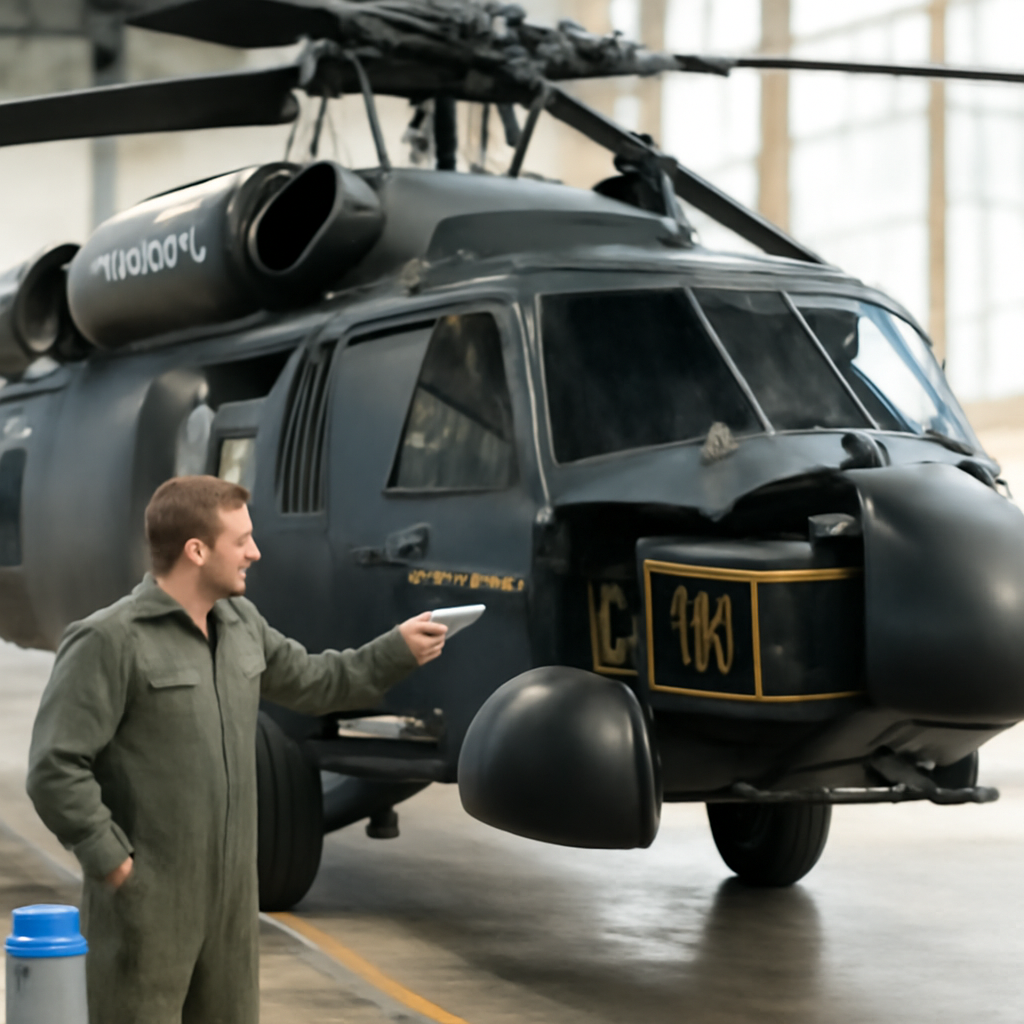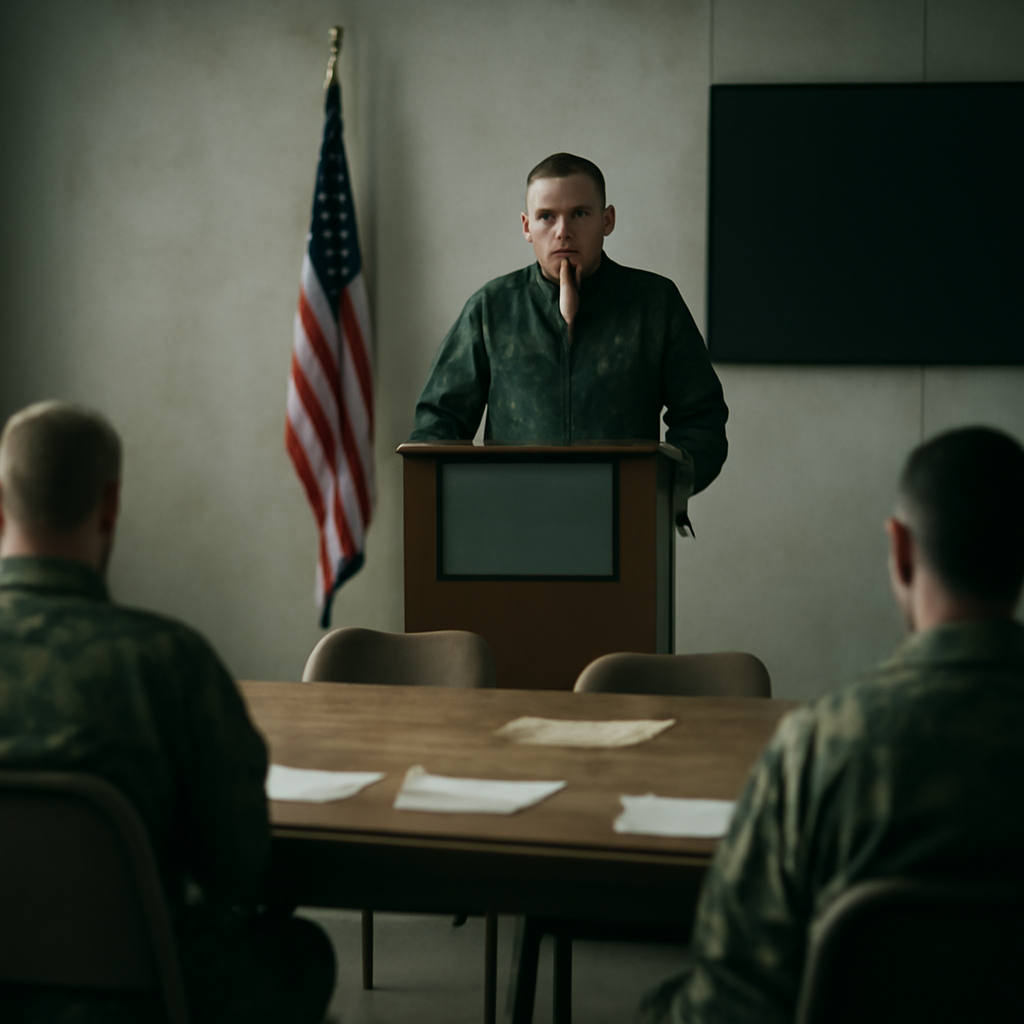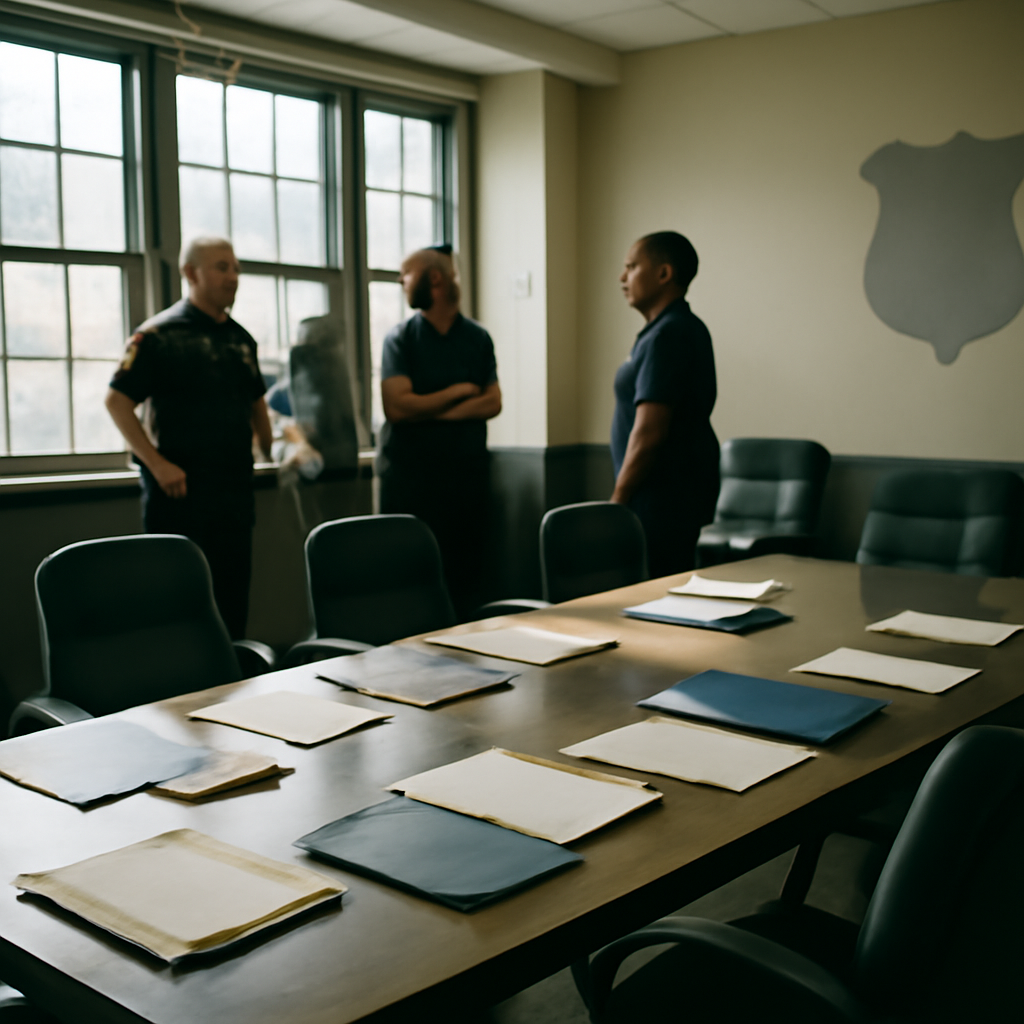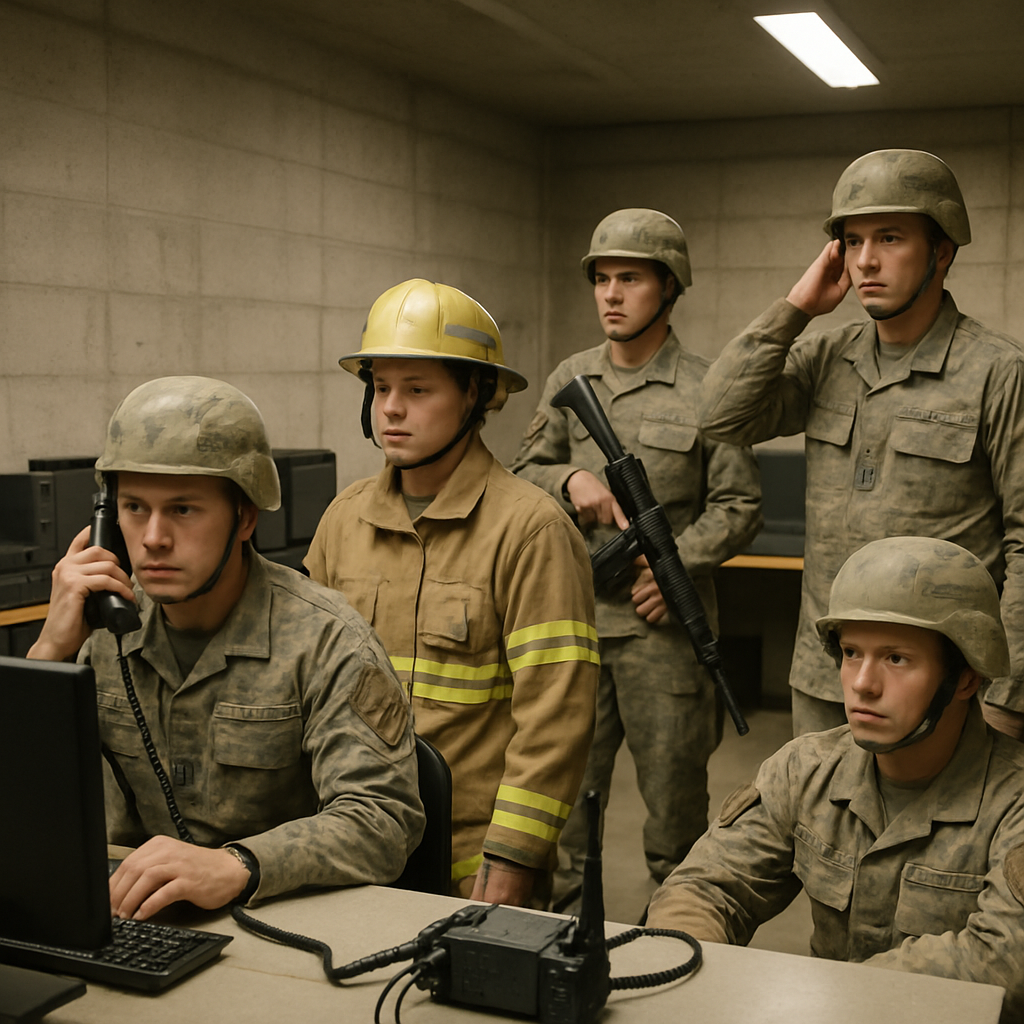
Airmen from the 386th Air Expeditionary Wing sit inside of a bunker during a base-wide exercise at an undisclosed location within the U.S. Central Command area of responsibility, May 24, 2024. The exercise assessed the responsiveness of Airmen and first responders during a simulated attack. (U.S. Air Force photo)
A bunker, the 386th Air Expeditionary Wing, and a simulated attack — May 24, 2024
The post includes a single, sharply framed moment: Airmen from the 386th Air Expeditionary Wing inside a bunker during a base-wide exercise held May 24, 2024, at an undisclosed location in the U.S. Central Command area of responsibility. The caption supplied with the image states that the exercise “assessed the responsiveness of Airmen and first responders during a simulated attack.” That line anchors the post’s visual and operational context — training aimed at measuring how personnel and emergency teams react under pressure.
Bunker Talk: an off-topic open discussion for readers
The thread itself is described as a “weekend open discussion post for the best commenting crew on the net,” inviting readers to “chat about all the stuff that went on this week that we didn’t cover.” The post explicitly frames the space as off-topic: participants can “talk about the stuff we did or whatever else grabs your interest.” The invitation is broad, but the tone set by the post is one of communal exchange rather than formal reporting.

Audit-ready is a season. It shouldn't be.
Evidence in spreadsheets, controls drifting between audits, frameworks multiplying on flat headcount. Nubivance runs continuous compliance on Rapid7 Cyber GRC - SOC 2, HIPAA, ISO 27001, PCI, CMMC.
End the scramblePrime Directives: rules for political discussion
The post lays out a set of conduct rules titled “Prime Directives!” that govern discussion, especially political talk. Key directives supplied verbatim include:
- If you want to talk politics, do so respectfully and know that there’s always somebody that isn’t going to agree with you.
- If you have political differences, hash it out respectfully, stick to the facts, and no childish name-calling or personal attacks of any kind.
- No drive-by garbage political memes. No conspiracy theory rants. Links to crackpot sites will be axed, too.
- Trolling and shitposting will not be tolerated. No obsessive behavior about other users.
The directives make clear that vigorous discussion is permitted, but that it must remain factual and civil; certain categories of content — memes posted as drive-by attacks, conspiracy rants, and links to “crackpot sites” — will be removed.
Moderation, user tools, and reporting responsibilities
The post names practical moderation steps and tools for users: “Use the mute button if you don’t like what you see.” It also stresses community enforcement: “Finally, as always, report offenders, please.” The post adds an important clarification about reporting: “This doesn’t mean reporting people who don’t share your political views, but we really need your help in this regard.” That language separates disagreement from reportable behavior and places a burden on users to assist moderators in policing rule violations rather than policing viewpoint diversity.
How Airmen and first responders, community members, and moderators will act
- Airmen and first responders: The May 24, 2024 exercise “assessed the responsiveness” of these personnel during a simulated attack, so their immediate focus in the context of the post is operational readiness — performing, measuring, and presumably learning from the drill.
- Community members (the “best commenting crew on the net”): They are invited to discuss off-topic items but are asked to “hash it out respectfully,” avoid personal attacks, and refrain from linking to “crackpot sites.” The post explicitly gives them the mute button as a tool to manage their own experience.
- Moderators: The post gives moderators a clear mandate to remove certain content — “drive-by garbage political memes,” conspiracy theory rants, and links to crackpot sites — and asks readers to assist by reporting offenses that cross those lines.
The piece is brief and practical: a weekend thread, a training photograph, and a concise code of conduct. Together they tell two short but related stories — one about preparing people for emergencies, the other about preparing a community for debate. Both rely on simple, enforceable rules: measure readiness during a simulated attack; insist on civility and fact-based discussion in the comment thread. Each is, in its own register, about responsiveness.