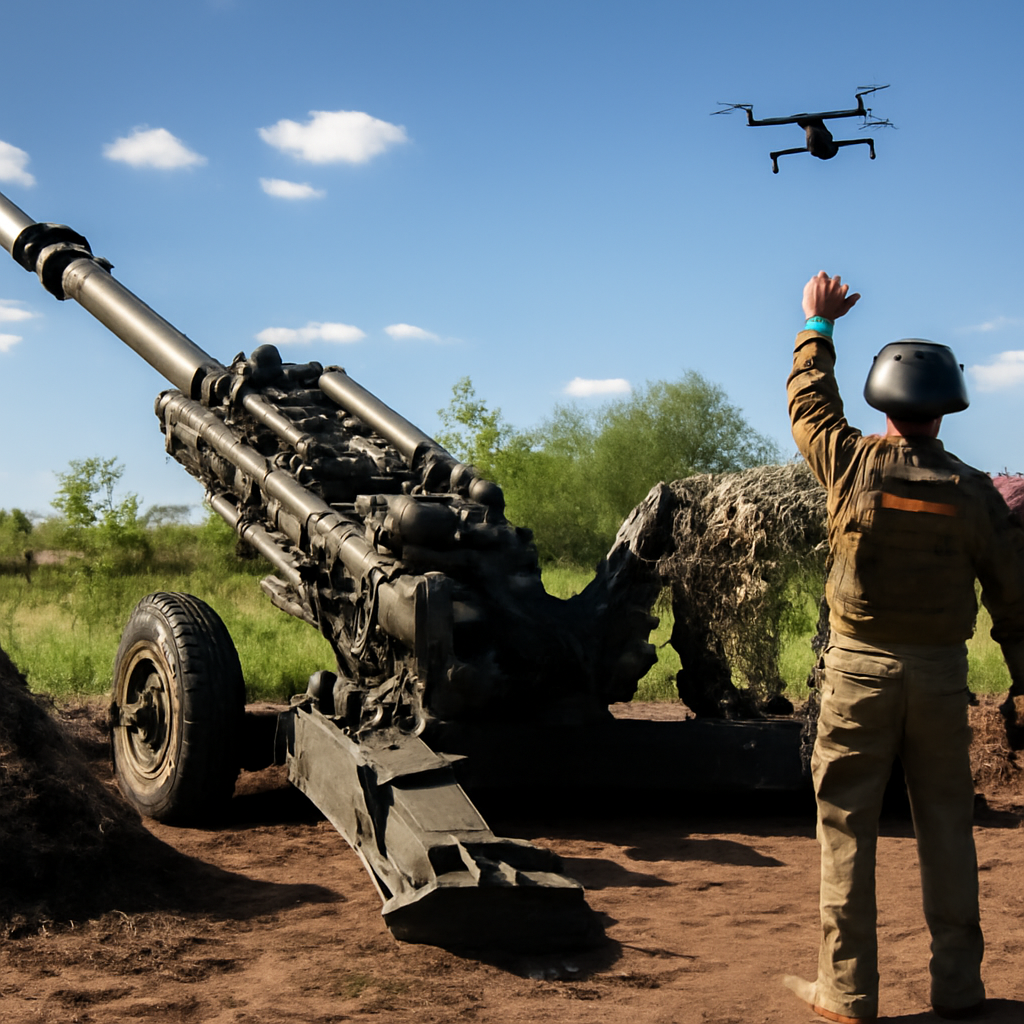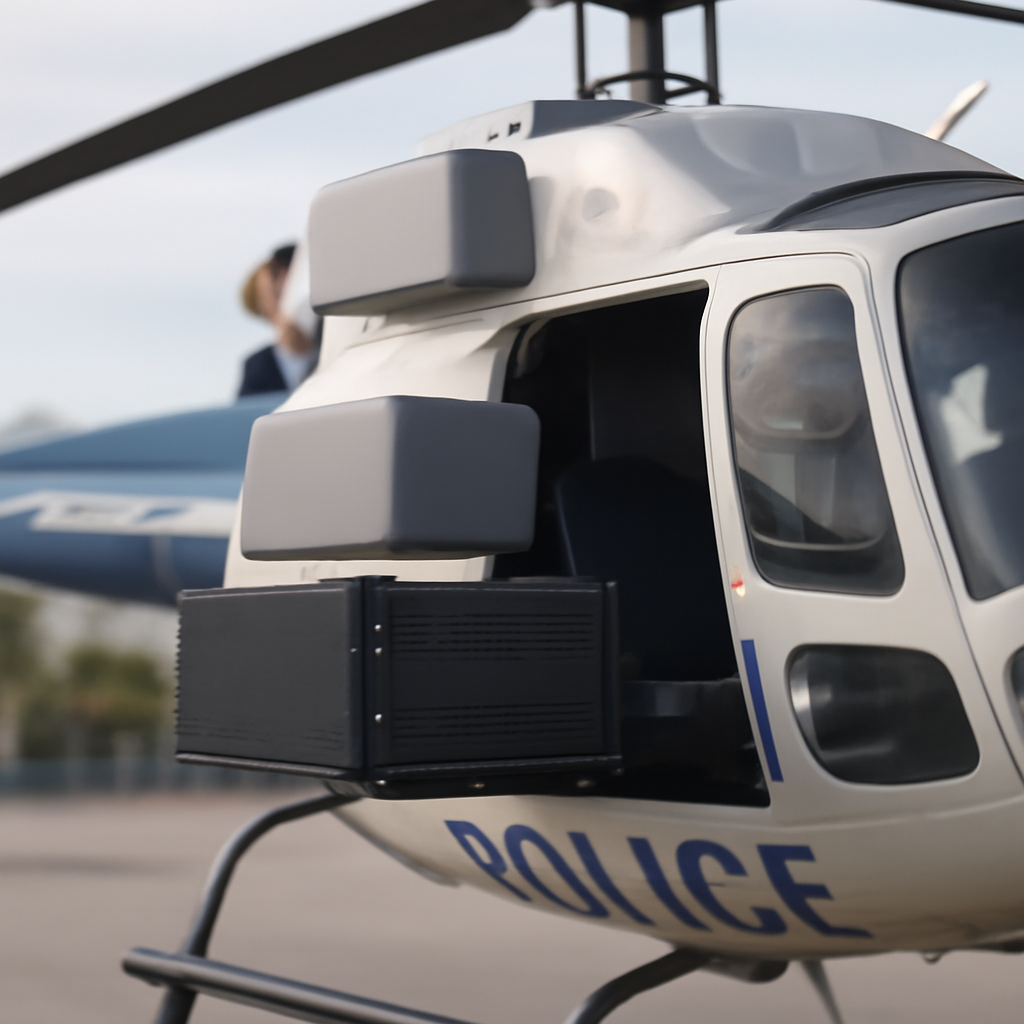
Cognyte's contract with the state of Texas shows the company's FalcoNet system can be concealed inside vehicles, carried in a backpack for on-foot missions, or attached to a helicopter.
FalcoNet: a mobile cell-site simulator that impersonates a tower
Made by Israeli surveillance company Cognyte, FalcoNet simulates a mobile phone tower and forces nearby phones to connect to it, according to the contract disclosed with the state of Texas. That behavior — impersonating a legitimate base station so handsets attach to the device — allows operators to collect information from any phone in range. The contract language notes this capability explicitly: it enables law enforcement to keep tabs on phones in the vicinity whether they are owned by a suspect in a case or not.
Deployment options: van, backpack, helicopter
The Texas contract describes multiple modes of deployment. FalcoNet can be concealed within a vehicle — a mobile surveillance van — giving operators the ability to drive the device into position under cover. The same system can be removed from a vehicle and carried in a backpack for on-foot operations. The contract also lists an ability to attach the unit to a helicopter, indicating an aerial deployment option. Those three modes expand where and how the simulator can be used, from a parked vehicle to manned foot patrols to airborne operations.

The cyber insurance questionnaire just landed. Now what?
SOC 2, HIPAA, insurance renewals - someone has to own security strategy. Nubivance provides fractional CISO leadership without the full-time salary.
Get a security leadWhat the Texas contract reveals about procurement
The details appear in Cognyte’s contract with the state of Texas, which functions as the primary record of the sale and describes the product’s form factors and capabilities. The contract identifies FalcoNet as a mobile cell surveillance system and ties the product explicitly to state-level procurement. Beyond the procurement detail, the contract provides the public-facing description of how the system can be transported and concealed, information that shapes both operational possibilities and public concern.
Connection to Stingray and L3Harris
The contract description places FalcoNet in a lineage of equipment known to security and privacy observers: the same basic technique is used by the device commonly known as the Stingray. The Stingray, an early and widely reported example of a cell-site simulator, was made by defense contractor L3Harris. Cognyte’s FalcoNet is described as employing the same fundamental technology — impersonating a mobile phone tower to induce handset connections — though the contract focuses on FalcoNet’s multiple concealment and deployment options.
What the FalcoNet sale means for Texas law enforcement, nearby phone owners, and privacy advocates
Texas law enforcement: The contract gives agencies a tool that can be transported and concealed for a range of mission profiles, from vehicle-based surveillance to on-foot operations and aerial attachment. That combination of mobility and concealment expands operational options available under the procurement record.
Nearby phone owners: According to the contract, FalcoNet forces nearby phones to connect to it, meaning anyone with a phone in the device’s vicinity can be tracked by the unit regardless of whether they are a subject of investigation. The capability to “keep tabs on any phones in the vicinity” is written into the product description.
Privacy advocates: The procurement record itself makes clear why concern exists: the system’s capacity to induce mass handset connections and the listed concealment modes mean surveillance can be both indiscriminate in scope and discreet in appearance. Those features are focal points for scrutiny based directly on the contract language.
Conclusion
The public record in the Texas contract sets out a simple but consequential fact: Cognyte sold a mobile cell-site simulator — FalcoNet — that can impersonate a phone tower and be hidden in a vehicle, carried in a backpack, or mounted on a helicopter. The same underlying technique has been associated with devices like the Stingray built by L3Harris. What the contract makes plain is not only what the technology does, but how small and transportable it has become, a detail that converts a technical capability into an operational reality with immediate implications for anyone whose phone is within range.