“It’s really important to understand the landscape of the systems you have out in the wild,” said Michael LoSapio, capturing the limited technical detail he offered at a nomination hearing that Democrats described as disqualifying and Republicans say must move quickly through a crowded lame-duck calendar.
Michael LoSapio’s less-than-hour hearing
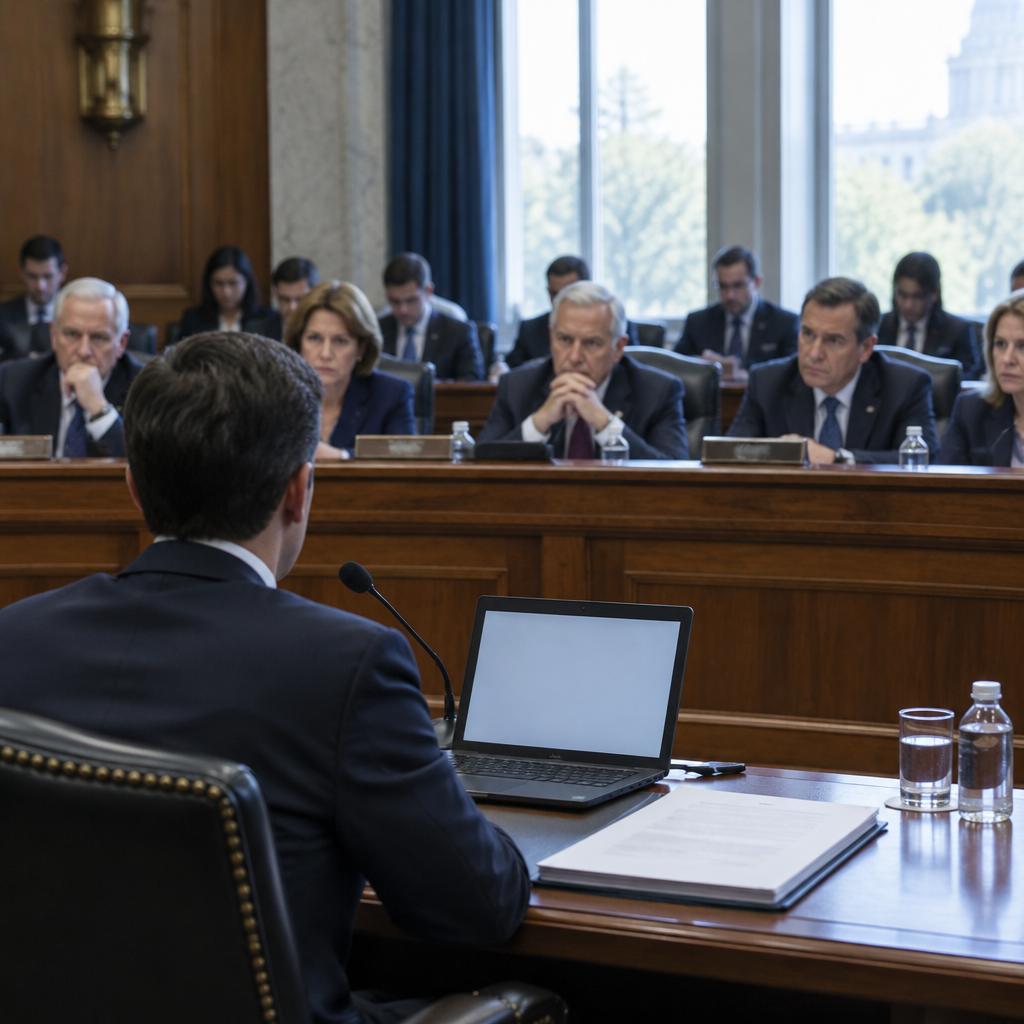
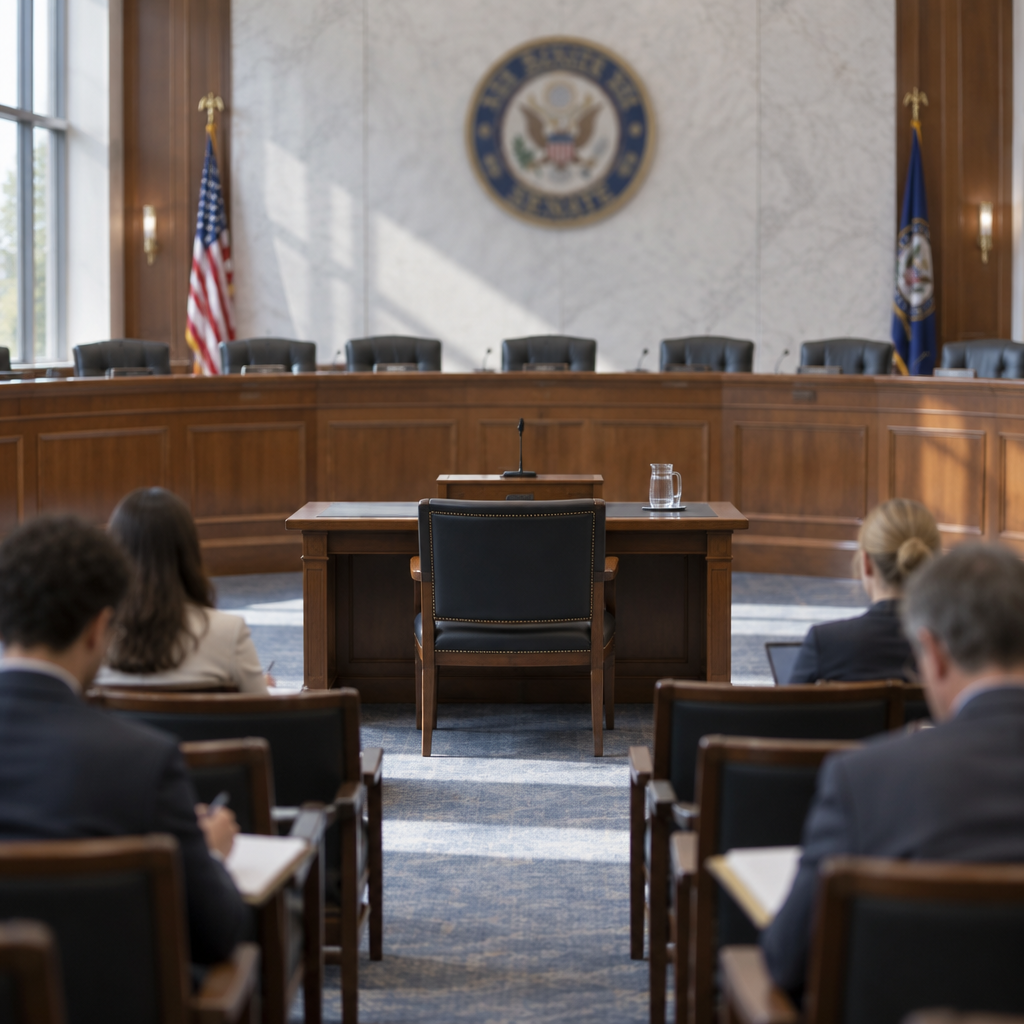
Michael LoSapio, a Palantir executive and the Trump administration’s nominee for director of the Cybersecurity and Infrastructure Security Agency (CISA), faced the Senate Homeland Security and Government Affairs Committee for under an hour — far less time than previous CISA nominees typically receive. He was considered alongside a large tranche of other Trump administration nominees that Republicans are attempting to advance during the lame-duck session, a stretch of Senate business that could limit detailed scrutiny.
On baseline cyber defenses: inventory, evaluation and patching
When pressed about cybersecurity topics including how to boost resilience after “last week’s widespread outages,” LoSapio emphasized basic defensive hygiene. He urged organizations to be “more proactive implementing baseline protections around inventory, evaluation and patching internet-connected devices,” and added, “The things that you operate day-to-day, the systems that you rely on, the systems that are ancillary, and do an extensive evaluation on their vulnerabilities, whether they’ve been patched or not, how they’ve been architected and their defensive capabilities.” Beyond those broad prescriptions he said there was “more we can do across the nation” but did not articulate a detailed plan for CISA’s role in implementing those measures.

Audit-ready is a season. It shouldn't be.
Evidence in spreadsheets, controls drifting between audits, frameworks multiplying on flat headcount. Nubivance runs continuous compliance on Rapid7 Cyber GRC - SOC 2, HIPAA, ISO 27001, PCI, CMMC.
End the scrambleJan. 6 exchange with Sen. Richard Blumenthal
LoSapio’s remarks moved quickly into partisan flashpoints. He told the committee he did not view the Jan. 6, 2021 riots on Capitol Hill as an “attack,” and, when pressed repeatedly by Sen. Richard Blumenthal, D-Conn., doubled down on that assertion. Blumenthal said that exchange meant LoSapio had “disqualified” himself from serving as CISA director because it showed a lack of independence from the White House. After the hearing, the social media account for Senate Homeland Security Democrats posted the exchange on X and urged senators to reject the nomination, writing, “Anyone who can so easily rewrite history in service to Trump should not be leading CISA, which has critical election security obligations.”
Funding, cuts and agency resources: constrained answers
On funding and the agency’s capacity, LoSapio said he could not fully assess the effects of “thousands of firings and hundreds of millions of dollars in cuts over the past two years,” nor the White House budget proposal that would cut further hundreds of millions, because he was an “outsider coming to the agency.” Asked by Sen. Bernie Moreno, R-Ohio, what would happen if “Democrats” did not fund CISA during the lame duck session, LoSapio said the impact would be “catastrophic,” likening the outcome for “ordinary Americans” to calling 9-1-1 and having no one pick up. The record the committee drew from the hearing notes that while past shutdowns have hindered operations, CISA and other Department of Homeland Security component agencies would continue to operate under emergency appropriations during a shutdown.
Late nomination, limited runway and a hold
LoSapio’s nomination arrived late in the calendar, leaving little time before January, when a Democratic-majority Congress takes office, for him to marshal support from the lame-duck Senate. The nomination is also likely to compete for limited floor time as the administration has put forward dozens of federal nominees since the 2026 election. Following the hearing, Punchbowl News reported that retiring Sen. Thom Tillis, R-N.C., announced he would place a hold on LoSapio’s nomination, adding another procedural hurdle to an already compressed timetable.
How technologists, election officials, and ordinary Americans will watch this
- Technologists and security teams will watch whether a nominee who emphasizes inventory and patching can translate those priorities into agency programs and staffing; LoSapio declined to commit up-front to hires, saying he would evaluate resources if confirmed.
- Election officials and CISA partners will monitor the nominee’s stance on political independence after Democrats highlighted concerns that LoSapio’s comments on Jan. 6 reflect insufficient distance from the White House — a point tied directly to CISA’s “critical election security obligations.”
- Ordinary Americans, to the extent they follow the confirmation, are the audience for LoSapio’s “catastrophic” framing of a funding lapse — the analogy he used compared a funding failure to calling 9-1-1 and getting no answer.
The hearing left three clear, immediate facts on the table: LoSapio offered a brief, hygiene-focused cybersecurity outline; he made partisan remarks that prompted Democrats to call him disqualified; and his path to confirmation faces procedural friction in a compressed lame-duck period, including a reported hold by Sen. Thom Tillis. The Senate must now decide whether to press forward amid competing floor priorities and the incoming Democratic majority in January — a timetable the nominee himself acknowledged is tight.
https://cyberscoop.com/michael-losapio-cisa-confirmation-hearing/