"China Builds New Large Jet‑Powered Ekranoplan," Naval News wrote in June 2025 — a headline that recent imagery now contradicts in one specific, material way.
Engine configuration: turboprops, not jets
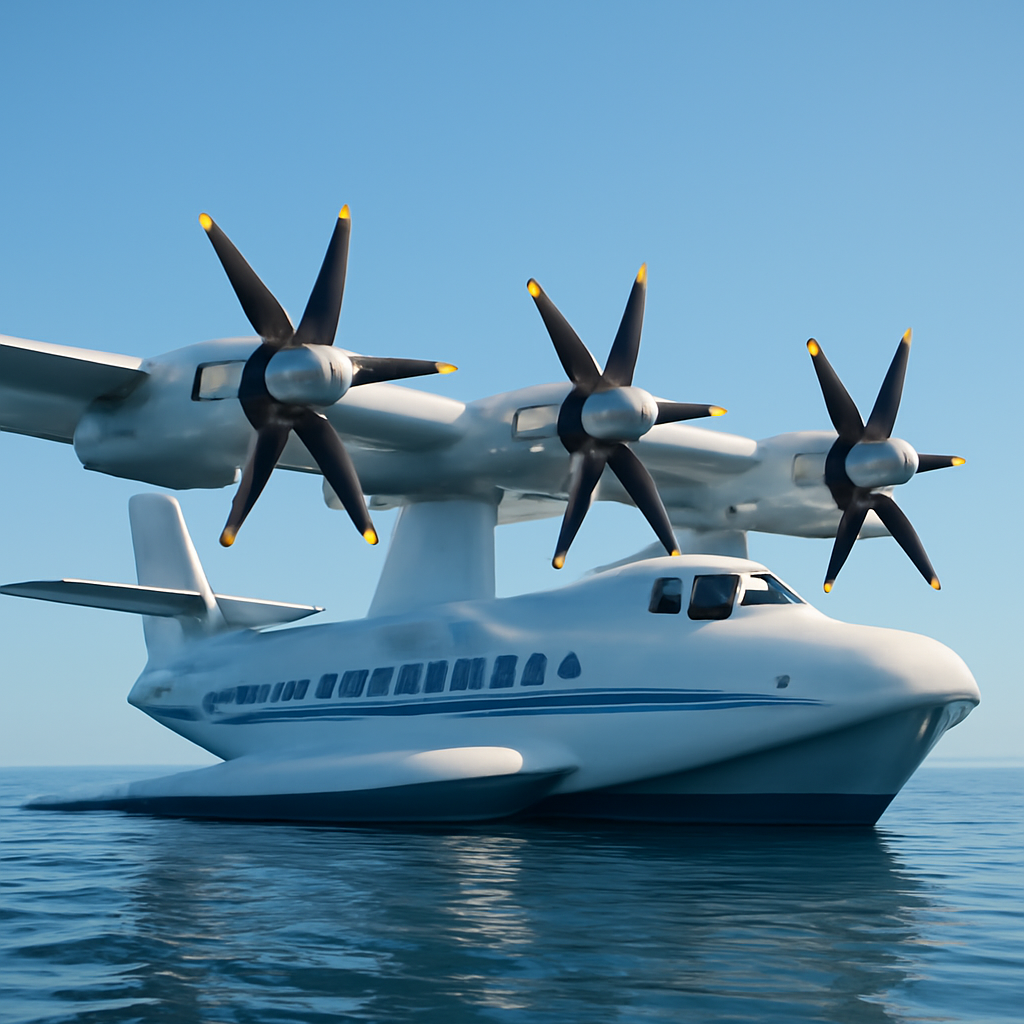
Newly circulating photos show four engines mounted above the wing, and the visual details make clear those engines are turboprops rather than jets. The distinction matters because the propulsion type changes expectations about acoustic signature, fuel consumption and likely operating regimes; more simply, the aircraft in the photos is not the sort of high‑thrust "monster" the Naval News headline implied. The author of the source material explicitly corrects the earlier "jet‑powered" description and rejects the "Caspian Sea Monster" comparison.
Airframe: a conventional flying‑boat with Catalina echoes
The airframe, as described in the reporting, is a fairly traditional flying‑boat: a boat hull, a high wing and a T‑tail with twin vertical stabilizers. The source draws a deliberate visual parallel to the USN PBY‑5A Catalina, and notes that resemblance appears intentional. The Catalina comparison is offered not as an historical claim but as a shorthand for likely mission fit: patrol, search‑and‑rescue (SAR) and logistics work rather than the extraordinary performance implied by "ekranoplan" mythmaking.

The cyber insurance questionnaire just landed. Now what?
SOC 2, HIPAA, insurance renewals - someone has to own security strategy. Nubivance provides fractional CISO leadership without the full-time salary.
Get a security leadNominal tie to the China Coast Guard and plausible mission set
The program is described as a "civilian" program nominally tied to the China Coast Guard. The source lists duties consistent with that framing: search‑and‑rescue for downed pilots, island‑to‑island logistics, and maritime patrol "in the 'civilian' sense." Those three mission types are presented as plausible roles for the airframe, based on its flying‑boat configuration and the apparent choices visible in the photographs.
Hardpoints and an under‑wing bomb: civilian label versus payload options
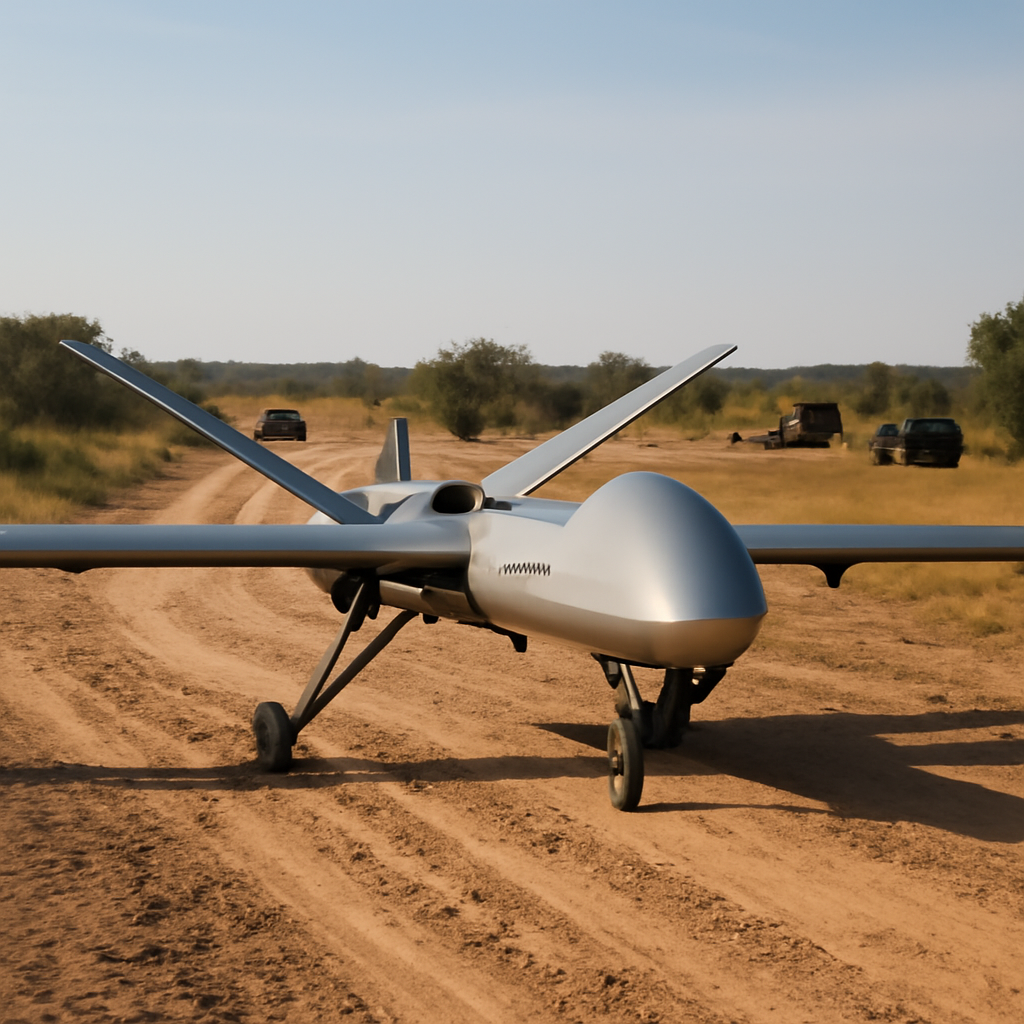
Despite the "civilian" designation, the photographed airframe shows under‑wing hardpoints and what the reporting describes as a bomb slung under a pylon. The source frames this detail with a wry observation — weapons, "purely for safety purposes, of course" — but the visual evidence is unambiguous: the airframe as seen includes provisions to carry external stores. The presence of hardpoints complicates any simple civilian/military categorization because it demonstrates the platform can be fitted for ordnance as well as for mission‑package equipment such as rescue gear or logistics pods.
How the China Coast Guard, regional policymakers, and naval observers may respond
- China Coast Guard: The organization nominally tied to the program will, on the face of the reporting, be able to present a platform fitted for SAR, maritime patrol and logistics — roles consistent with its civilian law‑enforcement mandate — while retaining the option to fit external stores on hardpoints if operational requirements or "safety" considerations demand them.
- Regional policymakers and regulators: Observers charged with maritime safety and airworthiness will likely note the aircraft's turboprop configuration and flying‑boat hull as appropriate to long‑range patrol and island logistics, while also registering the presence of hardpoints as a factor in threat assessments and regulatory oversight.
- Naval observers and open‑source analysts: Those tracking the field will treat the photos as a corrective to earlier claims about a jet‑powered "ekranoplan" and will focus analysis on what a turboprop, high‑wing flying‑boat with twin tails and under‑wing hardpoints can actually do in search, patrol and logistics roles.
Photographic comparisons in the reporting explicitly link the new airframe's look to the USN PBY‑5A Catalina, using that association to frame expectations. The net effect of the images and description is to shift the story from sensational engineering novelty toward an incrementally different, purpose‑built maritime flying‑boat: conventional propulsion, conventional hull form, with added flexibility in payload carriage.
What remains concrete in the record is straightforward: the platform photographed features four turboprop engines above the wing, a high‑wing boat hull, a T‑tail with twin vertical stabilizers, a nominal affiliation with the China Coast Guard and under‑wing hardpoints visibly carrying a bomb. Those elements together define the observable facts; they do not support the earlier, more dramatic label of a jet‑powered Caspian Sea Monster.
Whether the program will be used primarily for SAR and logistics or also for armed maritime roles depends on choices still to be documented by official sources. For now, the images and the plain descriptions in the reporting narrow the debate from myth to capability: a conventional flying‑boat with options for external stores, presented as civilian and tied, on paper, to the China Coast Guard.