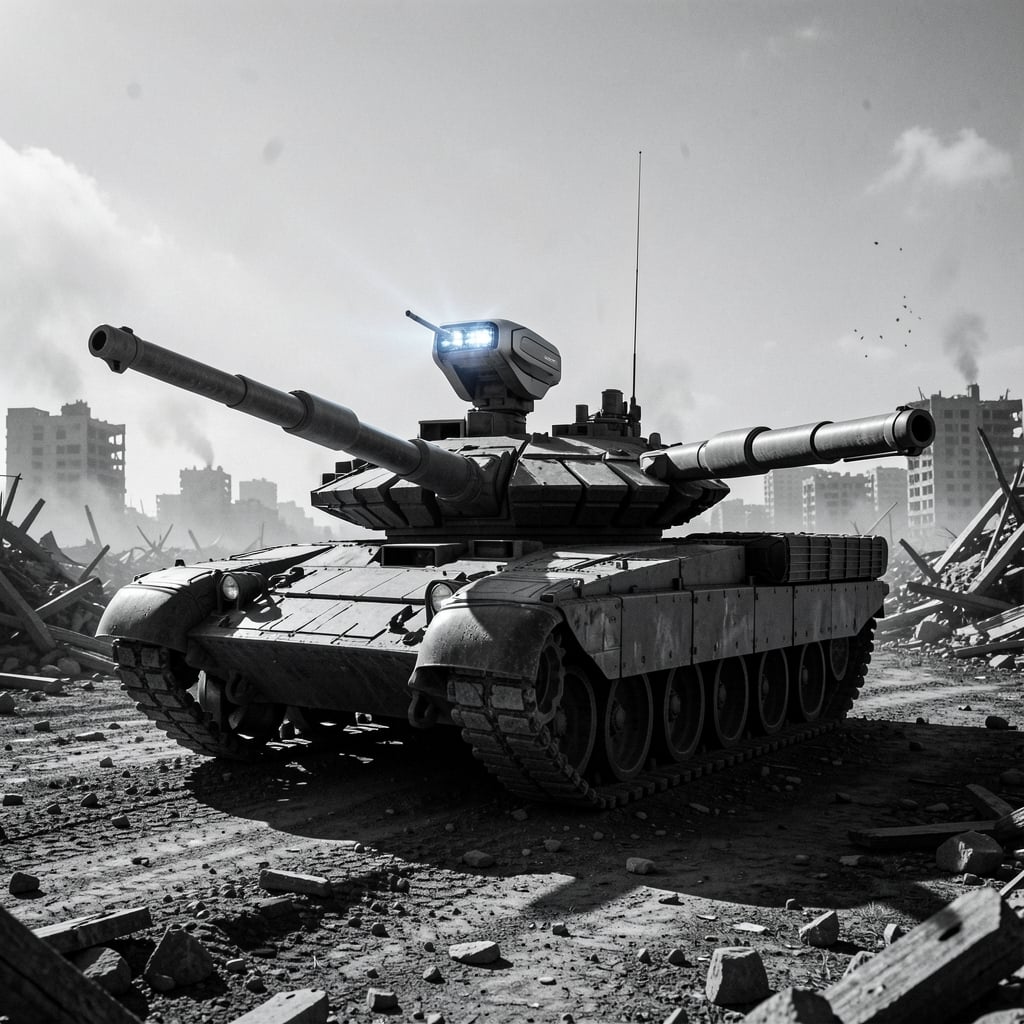
What does it mean when a tried-and-true tank shows up wearing new armor? A single image can change the questions analysts ask about intent, cost and battlefield logistics.
From cutting-edge to catch-up: the photographic record changes
Photographs of People’s Liberation Army (PLA) armored vehicles equipped with Active Protection Systems (APS) have, until now, been limited to newer platforms — Type 99A/B, ZBD‑04A and similar models, according to a recent post on the China Defense blog. That pattern has shifted. The same source published a field shot showing an older Type 96 main battle tank fitted with an APS unit.
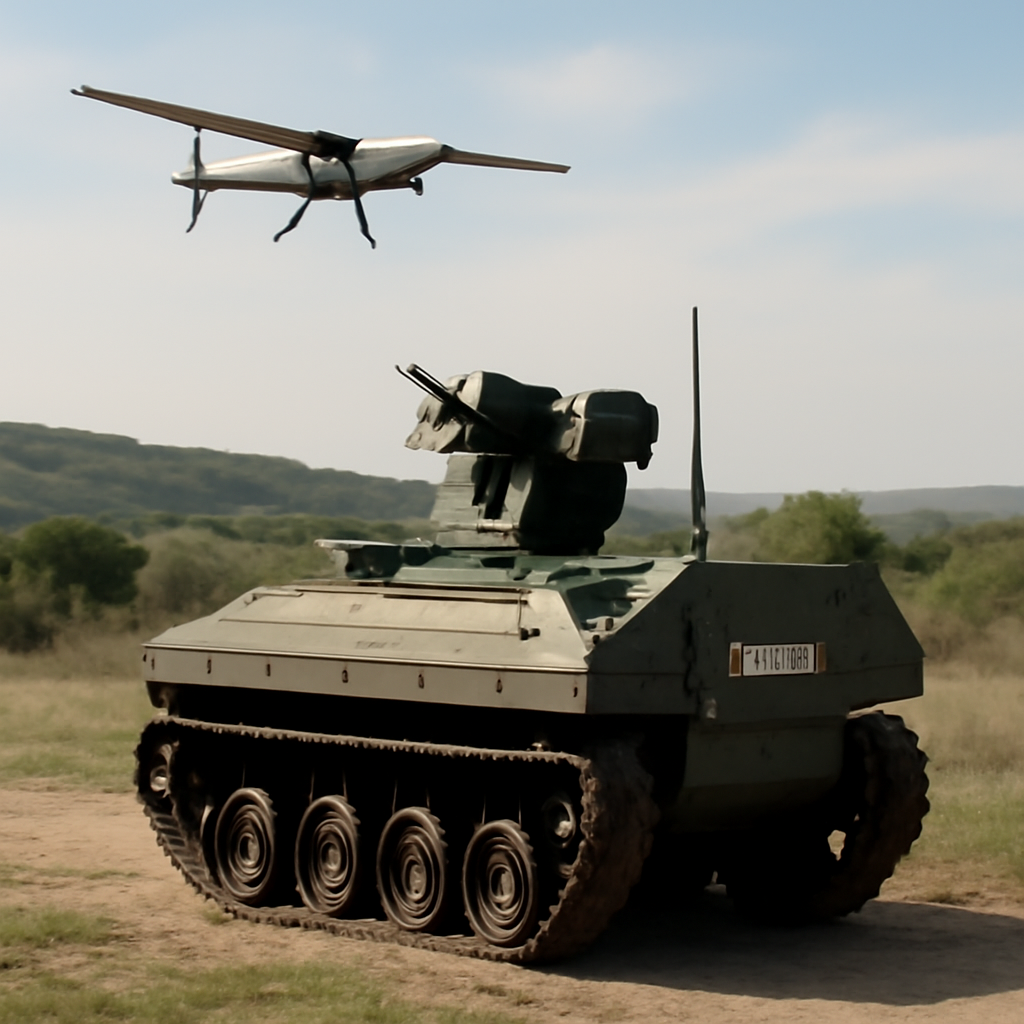
The post also highlights a maintenance support vehicle in the scene carrying an unmanned ground vehicle (UGV) described as designed to haul equipment and supplies. The juxtaposition — an older hull with a modern defensive add‑on, and a logistics vehicle carrying a small robot — provides a compact, visual briefing on two concurrent trends: retrofitting survivability and experimenting with unmanned logistics.
What the image shows—and what it leaves open
The photograph serves as direct visual evidence that APS technology has been mounted on at least one older Type 96 tank. It does not, by itself, indicate scale, programmatic intent, or doctrinal change. The source stops short of claiming a fleetwide retrofit or naming the APS model or supplier. It likewise notes the presence of the UGV on a support vehicle, but offers no technical specifications, unit affiliation, or operational context.

Audit-ready is a season. It shouldn't be.
Evidence in spreadsheets, controls drifting between audits, frameworks multiplying on flat headcount. Nubivance runs continuous compliance on Rapid7 Cyber GRC - SOC 2, HIPAA, ISO 27001, PCI, CMMC.
End the scrambleWhy this matters: four perspectives
- Technologists: For engineers and systems integrators, mounting APS on an older chassis presents practical challenges — power, sensors, fire-control integration and structural mounting — that the photo implies have been overcome at least on a demonstrator level.
- Policymakers and planners: The image raises procurement and budget questions. Retrofitting existing platforms can be a cost‑effective way to enhance survivability but may force tradeoffs among sustainment, training and modernization priorities.
- End users (crew and maintainers): Adding APS and operating UGVs changes maintenance burdens, logistics footprints and crew procedures. The presence of a maintenance vehicle carrying a UGV suggests an attention to support arrangements, not just fielding sensors and interceptors.
- Adversaries and analysts: Even a single documented instance can alter threat assessments. Visual confirmation that older vehicles are being fitted with modern defensive systems prompts reassessment of survivability assumptions and potential countermeasures.
Implications and unanswered questions
The photograph is evidence of capability on paper and in the field, but it is also a prompt. Is this a one-off test, a small-scale retrofit effort, or the opening move of a broader program to upgrade legacy AFVs? How will logistics and maintenance be adapted if retrofits expand? What types of UGVs will be integrated into sustainment chains, and at what tempo?
Without additional documentation—program announcements, serial numbers, or supporting imagery—those questions remain open. What the image does offer is a concrete datum: an older Type 96 has been shown with APS, and a maintenance vehicle nearby is carrying a UGV intended for hauling supplies.
Seen at a glance, the photo is a specific, verifiable hint of change. Interpreted more cautiously, it is a reminder that modernization can proceed by refurbishment as well as replacement — and that the logistics tail is increasingly automated. Which path the PLA chooses next will be clearer only when the visual record grows.
https://china-defense.blogspot.com/2026/03/retrofitting-active-protection-systems.html