China’s Urban Air Defense Drill Signals New Age of PLA Modernization
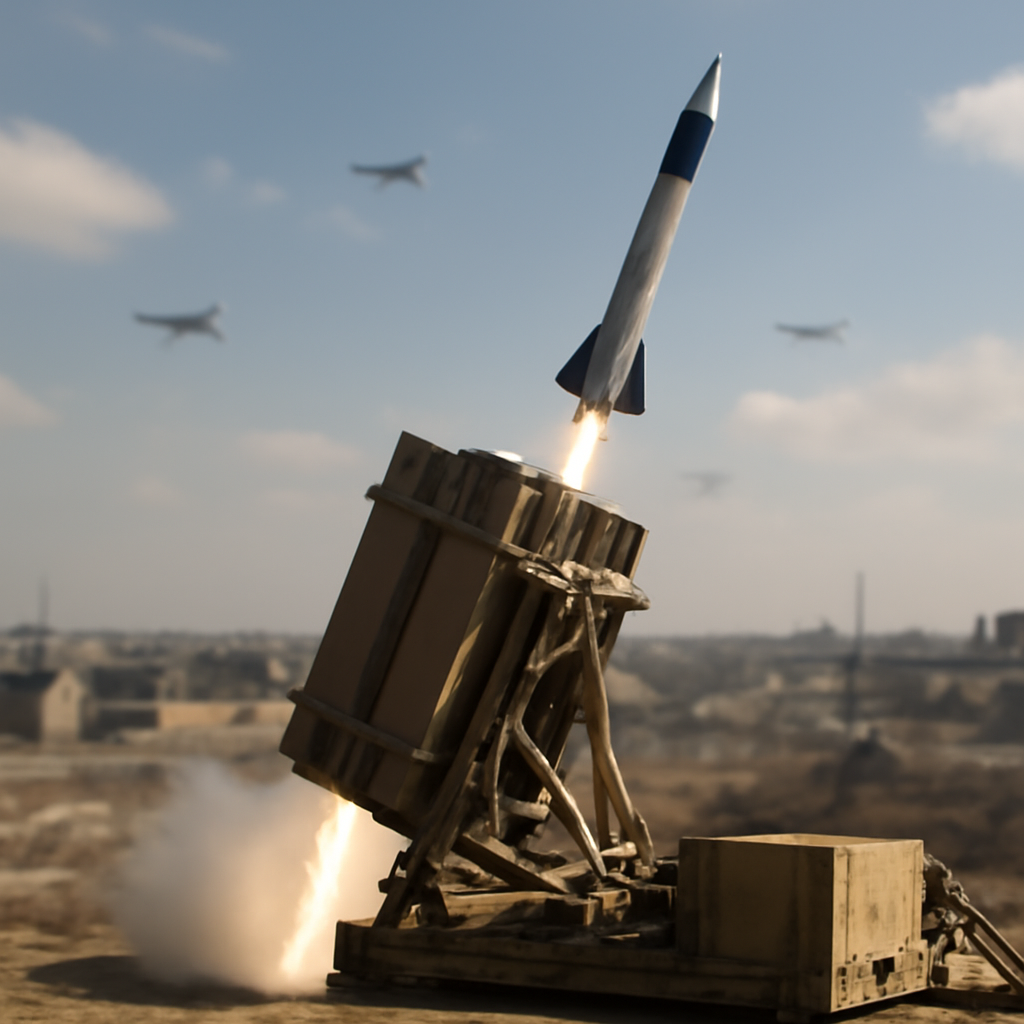
In a dramatic display of military innovation, Chinese state media has released compelling footage of a People’s Liberation Army (PLA) exercise conducted amidst a simulated urban battleground. This meticulously staged drill featured the sophisticated HQ-16 surface-to-air missile system alongside the agile HQ-6A close-range defense system, which itself integrates the HQ-64 missile launcher with the LD-2000 close-in weapon system. The exercise, designed to mirror the complexities and uncertainties inherent in urban warfare, has drawn keen interest from defense analysts and strategic observers alike.
Set against a backdrop of rapid military modernization and shifting regional dynamics, the exercise underscores the PLA’s continued efforts to reinforce its operational readiness in environments where the challenges of densely populated urban settings can dramatically amplify the stakes of modern combat. As the urban theater of war grows in significance globally, this drill is being closely watched for its implications on the future of air defense strategies.
Historically, urban warfare has presented formidable challenges for any armed force due to the inherent complexities of maneuvering in tight spaces and the mixed presence of civilian and military assets. In recent years, the PLA has increasingly focused on modernizing its combat capabilities to reflect these realities. The evolution of integrated air defense systems, particularly those showcased in the recent drill, signals a strategic pivot. Urban settings require layered, flexible responses—a capability that these new systems are engineered to deliver.
Officials have emphasized that the simulation was not merely an exercise in technical proficiency, but a comprehensive test of doctrine, coordination, and response under pressure. The HQ-16 missile system is noted for its extended range and precision in tracking, while the HQ-6A’s multi-tiered approach—combining missile launchers and close-in weapon systems—demonstrates a robust, dynamic response to threats that could manifest in the midst of urban congestion.
This urban simulation arrives at a time when experts are noting a broader trend towards integrated, multi-domain operations. Footage disseminated through Chinese military channels shows soldiers operating in a command-and-control structure that suggests an emphasis on real-time data fusion and rapid decision-making—the hallmarks of modern network-centric warfare. Such demonstrations are not only a showcase of hardware but also a glimpse into the evolving tactical doctrines that will likely define future engagements in urban environments.
The strategic implications of this exercise are multifaceted. On one level, it is a clear signal to both domestic and international audiences that the PLA is committed to adapting its traditional approach to incorporate the unpredictable dynamics of modern urban combat. On another, it serves as an indicator of China’s broader ambitions to integrate advanced technologies with conventional defense mechanisms—an integration that is increasingly seen as essential in the contemporary security landscape.
Several factors underscore the significance of this drill:
- Enhanced Network Integration: The PLA demonstrated a clear emphasis on interconnected systems, reflecting a shift towards comprehensive situational awareness even in the chaotic urban battlefield.
- Adaptability in Complex Terrain: By simulating a cityscape with multiple layers of potential interference and obstructions, the exercise highlighted the PLA’s increasing focus on urban operational versatility.
- Layered Defensive Capabilities: The incorporation of both long-range and close-in air defense systems underscores a dual-layered approach that can be critical in mitigating diverse aerial threats.
Strategic analyst Michael Pillsbury of the Hudson Institute has observed that such displays are integral to altering the balance of regional military power. “Modern warfare is not fought solely on open fields; the nature of conflict is increasingly defined by urban engagements where every building, street, and alleyway matters,” Pillbury is noted to have remarked in previous analyses on Chinese military innovation. These observations reinforce the fact that the PLA’s move to demonstrate these capabilities is not made in isolation—it is part of a broader diagnostic of modern combat scenarios, especially as urban centers become likely flashpoints in any future conflict.
It is also worth noting that this drill highlights the PLA’s efforts to closely mimic real-world conditions. Urban environments offer a difficult mix of civilian infrastructure, cluttered terrain, and unpredictable variables. By training under such conditions, the PLA not only refines its operational procedures but also prepares its personnel for the multifaceted challenges of urban conflict. This hands-on approach to readiness echoes historical military reforms where realistic simulation is key to bridging the gap between strategy and execution.
From a doctrinal perspective, this exercise reinforces the notion that modern air defense cannot be a static shield but must be a dynamically adaptive system capable of countering rapid and varied threats. In an era where unmanned aerial vehicles, cruise missiles, and other advanced airborne platforms have become common, the ability to defend critical urban infrastructure is paramount. Urban warfare, by its very nature, demands that air defense systems be integrated with ground operations and intelligence gathering efforts, a trend that the PLA appears eager to capitalize on.
Beyond the technical and tactical dimensions, there is a significant human factor at play. Training exercises of this nature are as much about preparing soldiers and commanders for the stress and complexity of real combat as they are about testing technological systems. Every simulation run, every decision made under pressure in a controlled environment, serves as a laboratory for learning and adaptation—a crucial process for any military force aiming to maintain both tactical efficiency and strategic foresight.
Internationally, the timing and nature of this drill have not gone unnoticed. Defense strategists across the globe are carefully assessing the potential ramifications of a more agile and technologically integrated PLA. Nations with vested interests in the balance of power in the Asia-Pacific region, as well as those attuned to advancements in military technology worldwide, are studying these developments. The exercise reinforces a growing narrative: that traditional conceptions of air defense and warfare are being rapidly redefined by the integration of complex systems and real-time data analysis.
While the Chinese state media’s portrayal is designed to bolster national pride and project an image of readiness, the technical details suggest a measured, systematic evolution in military strategy. Observers note that the gradual shift towards urban-centric training exercises could eventually translate into tighter coordination between various branches of the PLA, thereby enhancing its overall combat efficacy. The exercise, while ostensibly an internal show of force, carries a subtle but clear message to both allies and adversaries about China’s commitment to staying at the forefront of defense innovation.
Looking ahead, the consequences of this drill may extend into policy debates and defense planning across the Indo-Pacific and beyond. As nations recalibrate their own strategies in response to China’s repositioning, we may witness an increased emphasis on urban-centric defense systems, multi-layered air defense integration, and enhanced training protocols that incorporate the unpredictability inherent to modern cities. The ripple effects of such a shift could be profound, potentially prompting a reexamination of legacy defense concepts by long-standing military powers.
Key questions moving forward include: How will other military powers respond to this calibrated integration of technology and traditional warfare? Will neighboring nations ramp up their own urban warfare preparedness, and what might that mean for the stability of densely populated regions? These considerations underscore the ongoing evolution in military thought—a movement that privileges adaptability, technological innovation, and the human element of combat equally.
In conclusion, China’s latest urban air defense drill is a telling example of the PLA’s broader military modernization agenda. By simulating the tight corridors and unpredictable scenarios of urban warfare, the Chinese military is not only preparing for potential physical conflicts but also engaging in a strategic dialogue—a conversation that encompasses technology, doctrine, and the on-the-ground realities faced by its soldiers. As the international community watches closely, the most compelling takeaway is that the future of military engagement is as much about mastering intricate environments as it is about showcasing technological prowess. In a world where urban landscapes may soon become the primary chessboard for global conflict, this exercise serves as both a harbinger and a blueprint for the battles of tomorrow.