"the China dream of national rejuvenation," proclaimed in Xi Jinping Thought, is the stated aim that now anchors Beijing’s global strategy, according to Steve Tsang and Olivia Cheung.
Xi Jinping Thought and the 2050 horizon
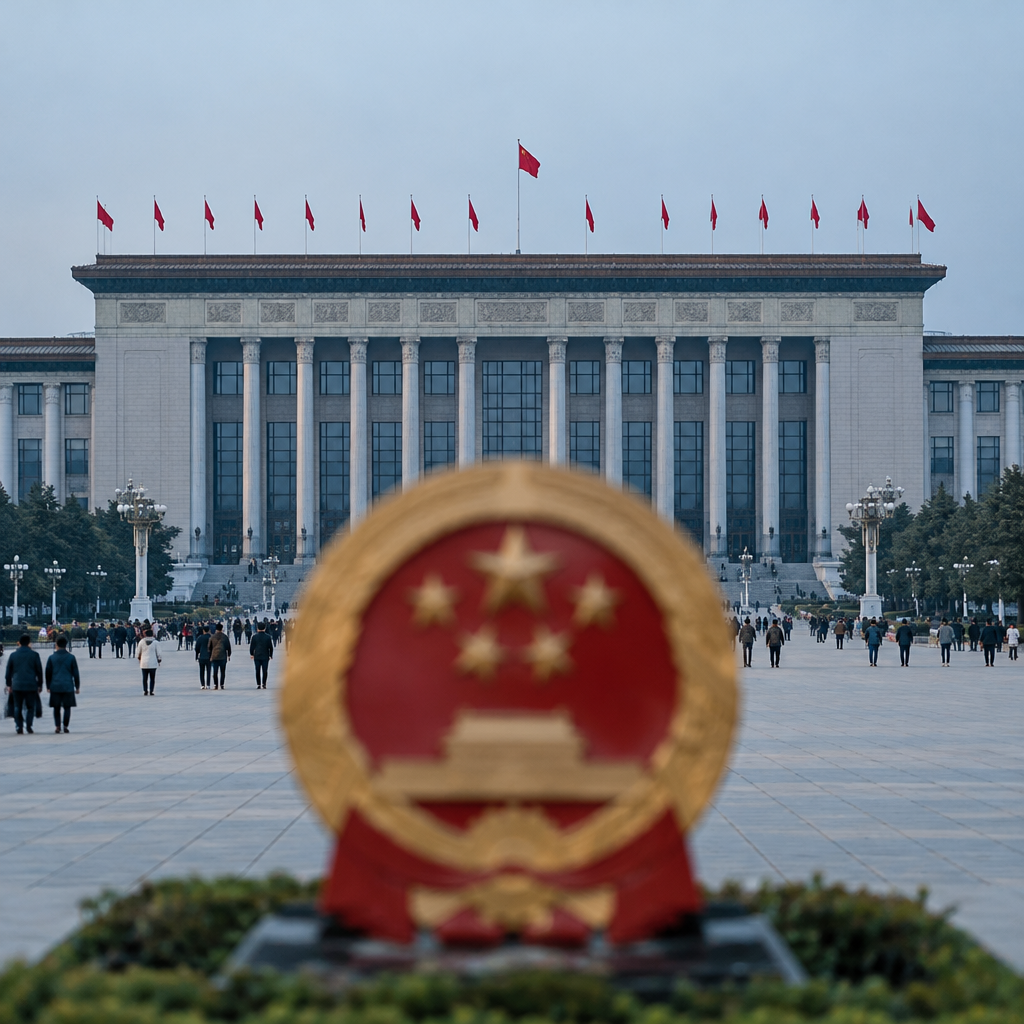
Tsang and Cheung identify Xi Jinping Thought — enshrined in China’s constitution in 2018 — as the ideological foundation for Beijing’s foreign policy. The doctrine explicitly aims to fulfil "the China dream of national rejuvenation" and to transform China into "a ‘modern socialist country’ by 2050." That long-range goal is presented not as a narrow domestic program but as a driver of outward-facing activity designed to reshape global governance and influence.
Sinocentric party-state realism: a tailored theory
Rejecting straightforward neoclassical realism as inadequate, the authors develop what they call "Sinocentric party-state realism" to account for China’s distinct political system and leadership arrangements. Tsang, director of the China Institute at SOAS University of London, and Cheung, a lecturer at King’s College London, argue that China shares traits with other great powers but that its party-state structure warrants a bespoke analytic frame.
The book’s immersion in official language is double-edged: while it clarifies the internal logic of Xi’s foreign policy, the authors themselves acknowledge — and the reviewer notes — that their close reading of Xi rhetoric sometimes blurs analysis and acceptance, with critical distance taking a back seat.

Audit-ready is a season. It shouldn't be.
Evidence in spreadsheets, controls drifting between audits, frameworks multiplying on flat headcount. Nubivance runs continuous compliance on Rapid7 Cyber GRC - SOC 2, HIPAA, ISO 27001, PCI, CMMC.
End the scrambleBelt and Road, multilateralism, and the Global South
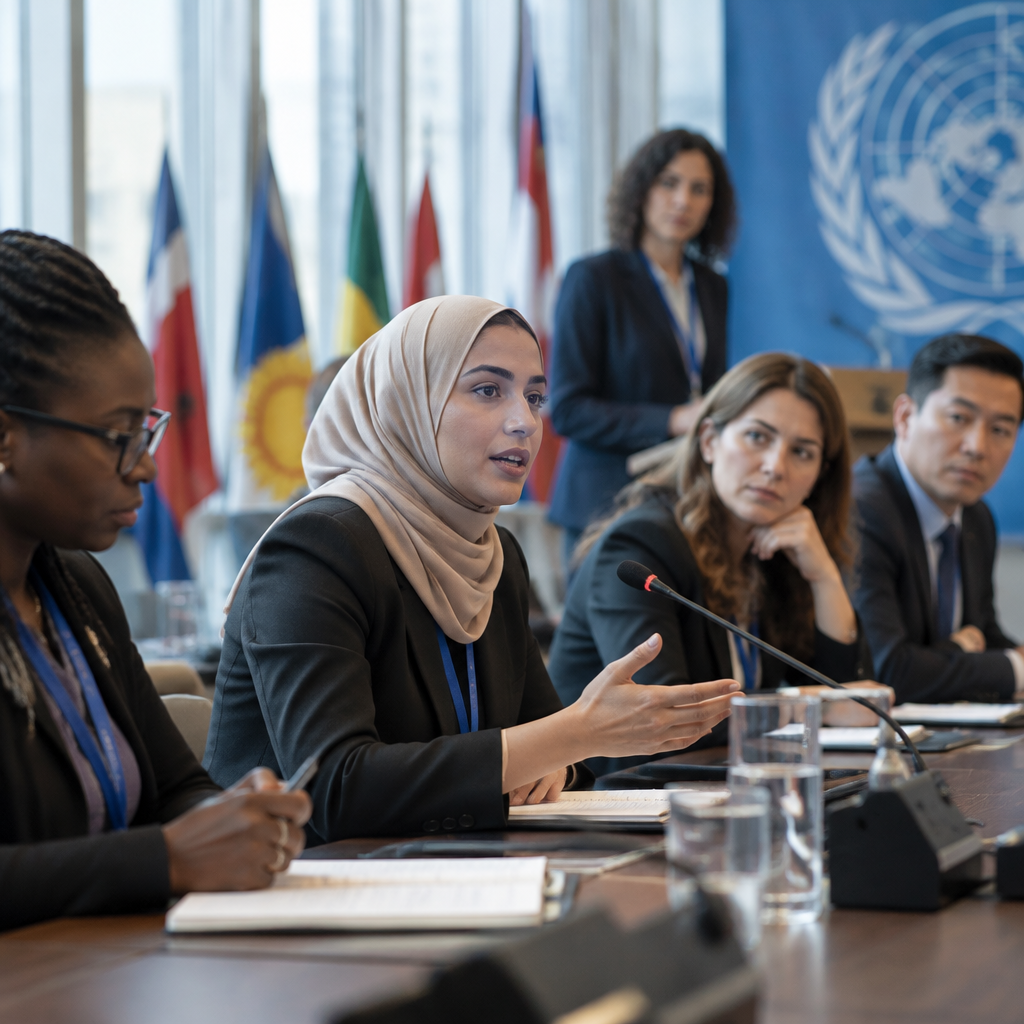
Under Xi, outward-facing initiatives accelerated. The Belt and Road Initiative, launched in 2013 after Xi’s extensive travel that year, has become "the world’s largest source of bilateral finance," the authors note. More than bilateral loans, Beijing is said to be making systematic use of multilateral and south–south mechanisms: the United Nations, international financial institutions, the Shanghai Cooperation Organisation and BRICS meetings are all listed as tools China is using to mobilise influence among developing countries.
Tsang and Cheung argue that China aims to be an international rule-maker rather than a rule-taker, seeking a Sinocentric order aligned with "the interests of most of the world’s countries — that is, the Global South." In their account, China plans to exploit what they describe as a space opened by "the US’s withdrawal from international leadership" to build that coalition.
Naval buildup, diplomatic posture, and the Taiwan endgame
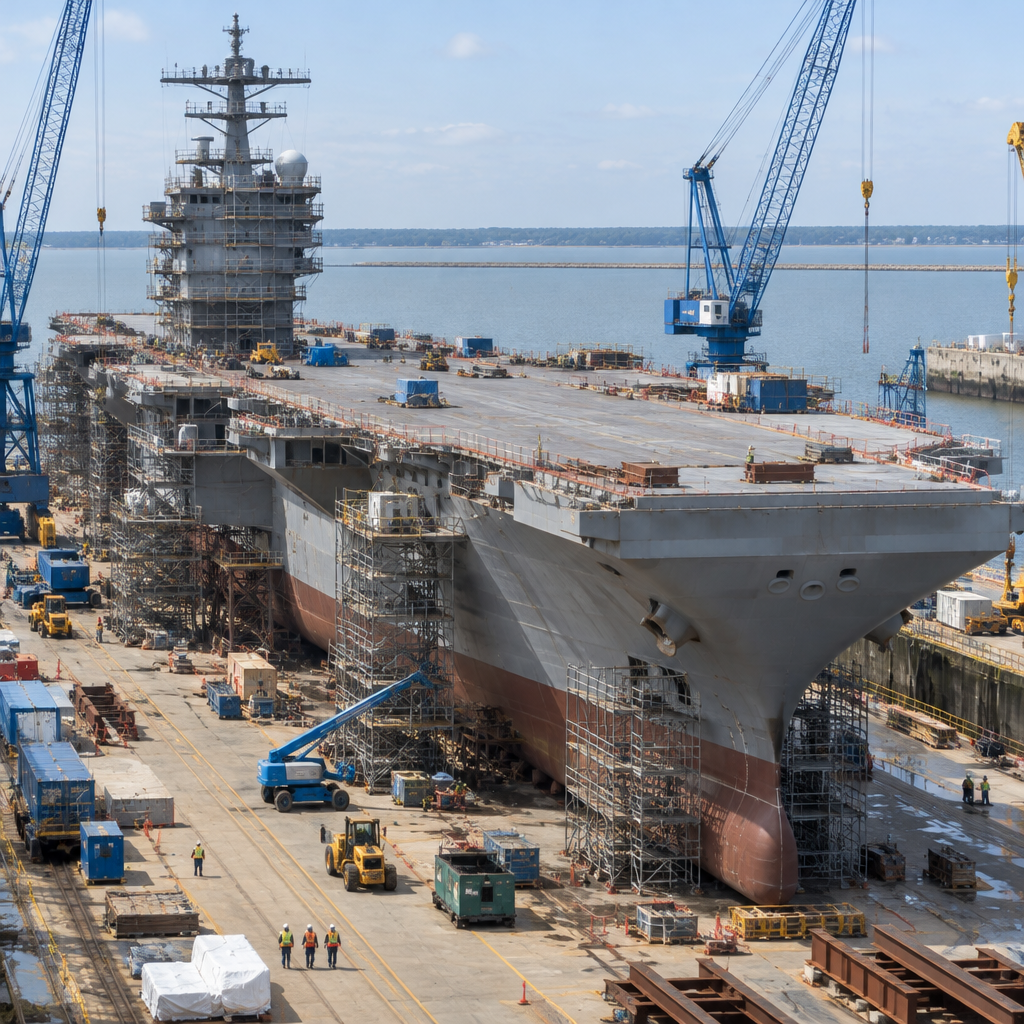
Alongside diplomatic and financial instruments, the authors document kinetic and coercive facets of China’s strategy: a rapid naval buildup, a network of bases in the South China Sea, and embassies staffed with "increasingly assertive diplomats." These developments, they contend, are part of a broader portfolio aimed at changing regional influence and global norms.
Tsang and Cheung set out a two-stage scenario for how Beijing might upend the current order. First, by mobilising the Global South in the wake of diminished U.S. leadership; second, by 2050 seeking control of Taiwan — "preferably by peaceful means" — in a move intended to expose what the authors view as the ineffectiveness of U.S. security guarantees.
Overriding all other drivers, the authors say, is the priority of keeping Xi and the Chinese Communist Party in power. They warn, however, that the personalised character of Xi’s foreign policy "carries risks," and they observe that "personalised ideologies seldom endure." With "less than a year to go until the next CCP National Congress," the book notes, Xi "has shown no signs of designating a successor" and has worked to limit potential rivals within the party leadership.
What this means for Western policymakers, the Global South, and Taiwan
- Western policymakers: Tsang’s postscript argues the West must broaden the appeal of the current world order to dissuade the Global South from aligning with China. That, he says, would require a "realignment of decision-making in international institutions" and a "massive injection of beneficiary-friendly development finance."
- The Global South: The authors depict these states as the intended audience for a Sinocentric order; China is deploying finance, multilateral engagement, and south–south cooperation mechanisms to court their support.
- Taiwan and security planners: Tsang urges a "comprehensive plan to pre-empt a Chinese takeover of Taiwan." The authors add that neither this contingency planning nor the institutional realignment and finance initiatives has "recently received much attention."
Tsang and Cheung’s book is presented as essential reading for understanding how Beijing thinks about remaking the international order. It lays out a coherent intellectual architecture — Xi Jinping Thought, tailored realist theory, economic outreach, multilateral leverage, and military posture — and closes with pointed recommendations for Western responses. The decisive question the book leaves in the air is concrete: will policymakers mobilise the institutional reforms and development finance Tsang calls for, and will they prepare the comprehensive Taiwan strategy he deems necessary? Until those choices are made, the authors suggest, China will continue to press its advantage on multiple fronts.