[SPONSOREDNUBIVANCE]
Rapid7 deployed right the first time.
Full-platform Rapid7 rollouts - InsightVM, InsightIDR, event sources, agents, tuning - by a Registered Partner who has done it at state-agency scale, including OT/SCADA.
Talk deployment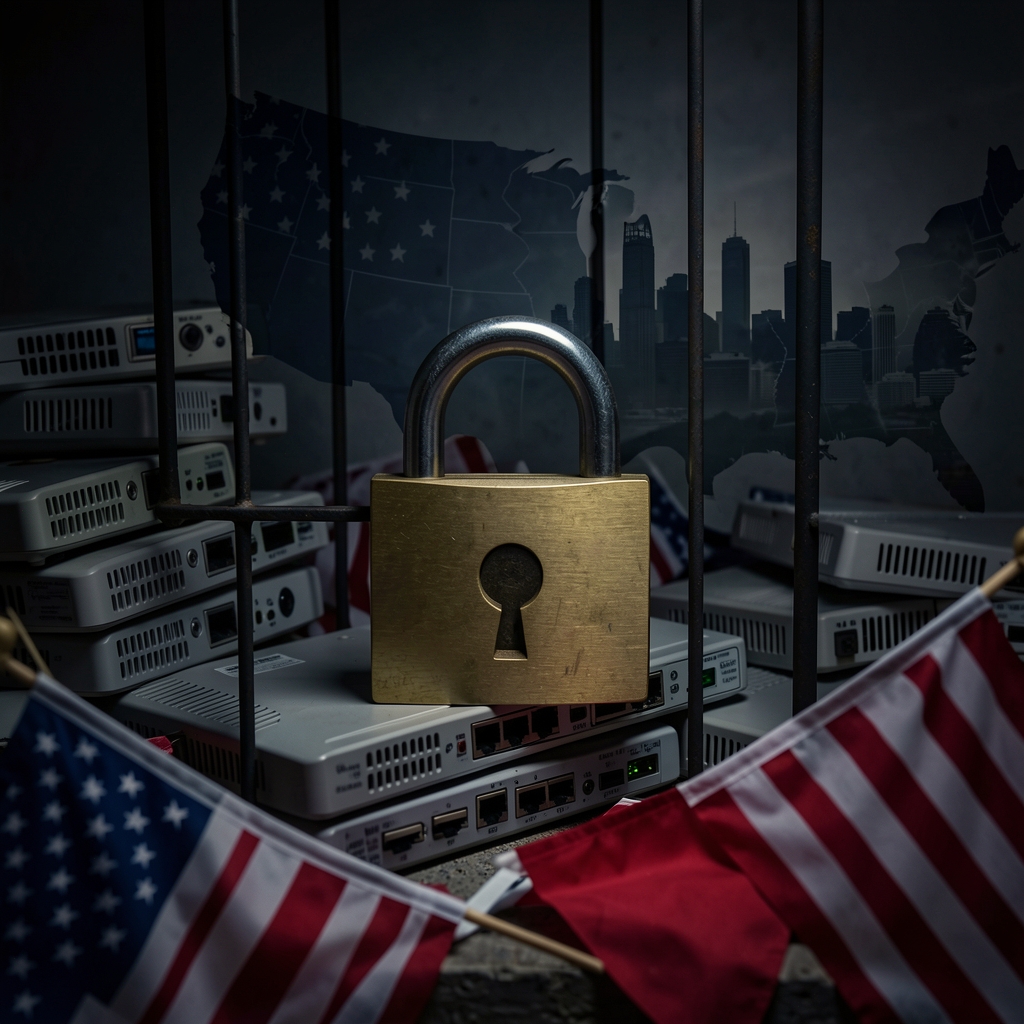
The US has taken a major step to safeguard its digital landscape by banning foreign-made routers, citing concerns that they pose a severe cybersecurity risk and supply chain vulnerability that could disrupt the economy and national defense. As a result, all new routers manufactured outside the US will require Federal Communications Commission approval before being sold in the country.

A single cyberattack on operational technology systems could cripple critical infrastructure providers, causing up to £5m in downtime losses and days of operational paralysis. For organisations that underpin essential services, the stakes have never been higher.

UK manufacturers are under siege, with a staggering eight in ten experiencing a cyberattack in the past year, resulting in financial losses and a growing sense of vulnerability. As our critical infrastructure comes under threat, the question on everyone's mind is: how long before the chaos spills into our daily lives?

UK manufacturers are under attack, with nearly 80 percent experiencing a cyber incident in the past year, causing factory outages, lost revenue, and supply chain disruption. As cyber threats increasingly target the machines that keep production lines moving, manufacturers face a harsh reality: one devastating breach can bring their entire operation to a grinding halt.

In today's interconnected retail landscape, a looming threat jeopardizes the smooth flow of goods: cyberattacks on the supply chain. A single weak link can bring down the entire ecosystem, leaving retailers and consumers vulnerable to disruption.

The US government's sudden ban on foreign-made routers has ignited a firestorm of debate, with cybersecurity experts warning it could backfire, creating vulnerabilities and stifling competition. Can this well-intentioned move ultimately compromise the very security it's meant to protect?

The US military is facing a cybersecurity crisis, with a top official warning that the current state of affairs is unsustainable, and urgent reforms are needed to address the alarming cyber talent gap. Can the military adapt quickly enough to stay ahead of the threat and protect the nation's defense infrastructure?
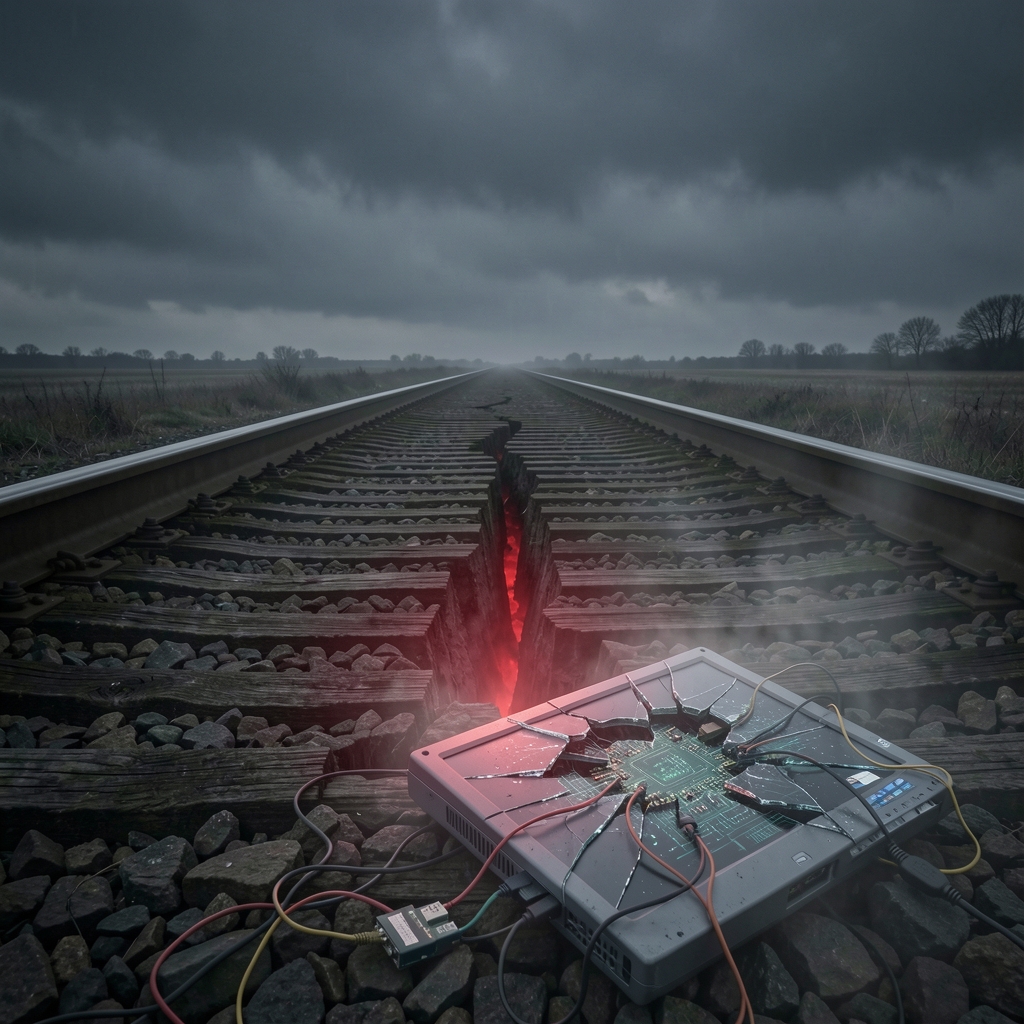
With millions of people and billions of dollars' worth of goods relying on America's rail network daily, the risk of cyberattacks poses a critical threat that demands immediate attention and robust security measures. The nation's economic stability is at stake, making it essential to safeguard this vital infrastructure from disruption.
Full-platform Rapid7 rollouts - InsightVM, InsightIDR, event sources, agents, tuning - by a Registered Partner who has done it at state-agency scale, including OT/SCADA.
Talk deployment
In today's high-stakes cybersecurity landscape, organizations are racing against time to outpace escalating threats that can devastate their finances and reputation. Can your security ops keep up - or will you become the next high-profile target?

Imagine someone with a cheap radio bringing freight and passenger service to a halt—Protecting America’s railroads means modernizing legacy signals and shoring up cyber defenses now to prevent costly, dangerous disruptions.

federal IT modernization doesnt have to be a choose‑your‑risk gamble: a compact playbook—technology, innovation, cybersecurity, and knowledge management—helps agencies prioritize investments, limit disruption, and keep mission delivery on track.
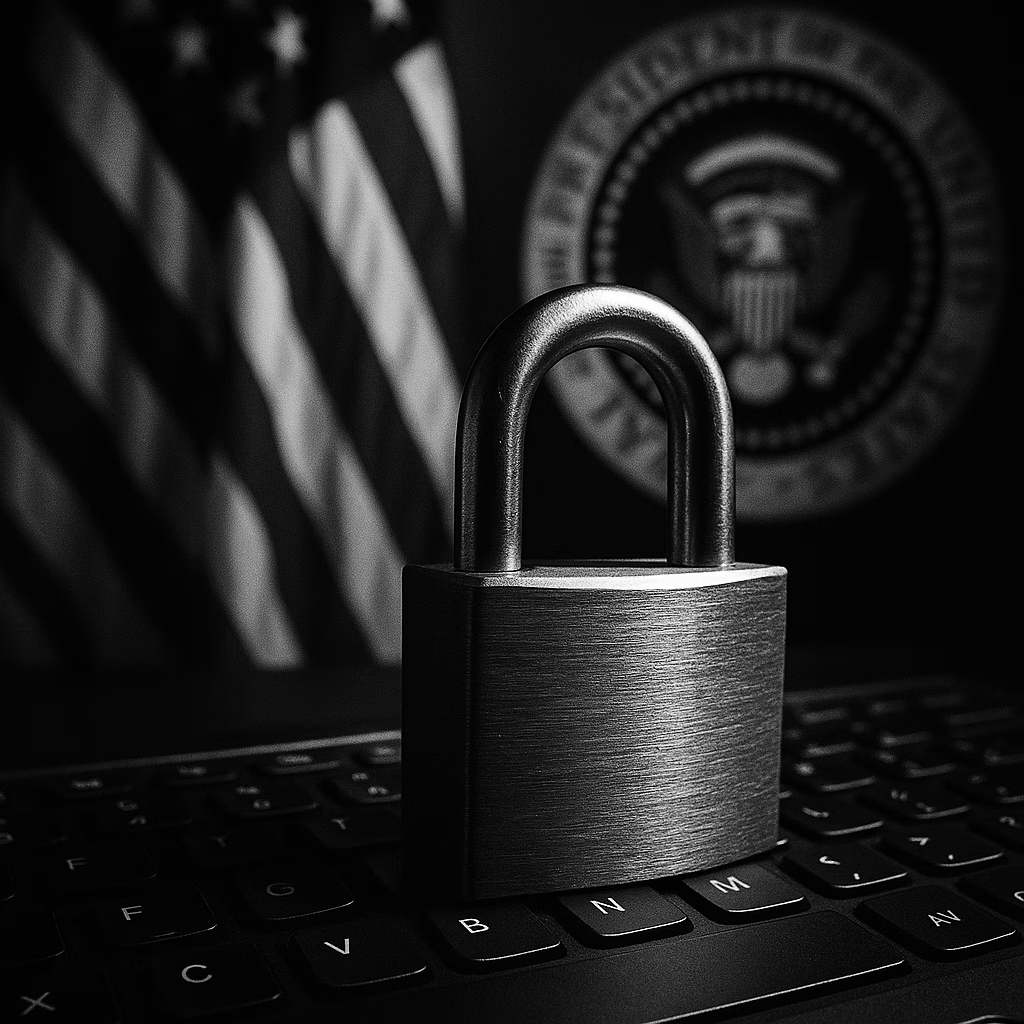
The Trump administration’s new national cyber strategy turns cyber defense into a coordinated national priority—tightening identity and access controls, mandating multifactor authentication, and pushing allowlisting and other practical steps to harden systems and raise the cost for attackers.

Imagine your local traffic camera doing more than manage congestion—recent reporting suggests Israel used access to Iranian traffic-camera networks to help target leadership, turning everyday surveillance into a weapon and blurring the line between cyberspace and conflict.

When a cutter loses its chart feeds in a storm, it’s resilience—not perimeter walls—that steers it home. Get Coast Guard cybersecurity best tips on identity-centric Zero Trust, continuous monitoring, and practical IAM and automation steps you can deploy today.

Ministers promise no repeat, but ageing, brittle IT and procurement shortcuts are slowing the fixes that would stop another life‑threatening leak — read on to see why promises need firm deadlines and measurable progress.

Secure operations start at the door but don’t stop there — today threats reach undersea cables, satellites, and even the smartphone in your pocket. Hardened sites, multi-path communications, and zero-trust supply chains are what keep commanders in control when every layer is contested.
Evidence in spreadsheets, controls drifting between audits, frameworks multiplying on flat headcount. Nubivance runs continuous compliance on Rapid7 Cyber GRC - SOC 2, HIPAA, ISO 27001, PCI, CMMC.
End the scramble
When jammers and spoofers make radios go silent, modern SCIFs become the difference between chaos and command. They protect the signals, SIGINT and analysis commanders need to know not just that a radio died, but why.

Modernization at Scale doesnt mean a reckless rip‑and‑replace—its a pragmatic, phased approach that helps agencies move faster without trading one rigid stack for another or piling on technical debt. By combining hybrid cloud, modular design, zero‑trust security and practical AI/automation, agencies can turn pilots into resilient, scalable services that deliver real benefits for citizens and operators.

Is your agency ready to modernize fast enough to outpace cyber threats and harness AI? Join CIOs at the Public Sector CIO Summit for practical, enterprise-scale strategies to retire legacy debt, secure cloud migrations, and build the workforce for resilient, mission-driven government IT.

Turns out a factory password can be more dangerous than a flat tire: Palo Alto discovered that unchanged default credentials let someone reprogram crosswalk signals, confusing pedestrians and creating a real public‑safety risk. When credentials are identical across devices, one oversight becomes a fast path to city‑wide tampering.

Denmark’s intelligence agency says Moscow‑linked actors carried out two brazen 2024 cyberattacks — a breach at a water utility and coordinated distributed denial‑of‑service attacks that crippled municipal election websites — a stark reminder how state‑aligned hacktivists can threaten both infrastructure and democracy.

Deliberate internet shutdowns pull lifesaving connections out from under whole communities—cutting emergency communications, banking, flights and commerce—and turning political decisions into immediate human and economic crises. Afghanistan’s recent two-day blackout shows how fast these disruptions cascade from missed messages to threats to lives, livelihoods and basic services.

Amazon Web Services says it uncovered a years‑long GRU cyber campaign that probed — and in some cases breached — Western energy and infrastructure, revealing how attackers now hide in everyday cloud tools. It’s a wake‑up call: social engineering, OAuth abuse and bespoke malware can turn our networks and power grids into espionage targets.

CISA has added an actively exploited XSS (CVE‑2021‑26829) in OpenPLC ScadaBR to its KEV catalog — a stark reminder that even “moderate” web bugs can let attackers hijack operator sessions and issue commands to PLCs. If you run OpenPLC/ScadaBR, prioritize assessment and mitigation now.