[SPONSOREDNUBIVANCE]
Rapid7 deployed right the first time.
Full-platform Rapid7 rollouts - InsightVM, InsightIDR, event sources, agents, tuning - by a Registered Partner who has done it at state-agency scale, including OT/SCADA.
Talk deploymentGeneral cybersecurity news and analysis

When Roman Imankulov analyzed a suspicious Python project with his AI agent, it quickly flagged a malicious backdoor, saving him from a potentially disastrous mistake. The AI code review proved to be a crucial safeguard, alerting Imankulov to walk away from the tainted code.

Australia is taking a bold step in cybersecurity, shifting its focus from mere compliance to building operational resilience, with a AU$89.3 million investment over four years to drive this change. The Horizon 2 Action Plan is set to boost the nation's cyber posture with 19 key actions and 64 initiatives.

Researchers uncovered over 30 security patches for Anthropic's Claude Code in just two months, revealing a concerning pattern of brief, often silent vulnerabilities as AI models are rapidly updated. This finding highlights the need for greater transparency and scrutiny in the high-stakes world of AI model security.

A newly discovered flaw in the Google Vertex AI SDK for Python left model uploads vulnerable to hijacking, allowing attackers to swap models and execute code within Google's serving infrastructure in a matter of seconds. This vulnerability, found by Palo Alto Networks Unit 42, could be exploited in just 2.5 seconds - a window of opportunity for attackers to wreak havoc.

A recent vulnerability in Google Cloud's Vertex AI Python SDK left the door open for cross-tenant attacks, allowing hackers in separate projects to hijack model uploads and potentially execute malicious code remotely. This flaw was fortunately patched in version 1.148.0, released on April 15, 2026.

Experts warn that without standardized AI model inventories, we risk a chaotic "fire, ready, aim" approach, where multiple incompatible solutions create more cyber threats than they mitigate. A new policy paper proposes an AI bill of materials (AIBOM) as a crucial step towards reducing cyber risk and improving transparency.
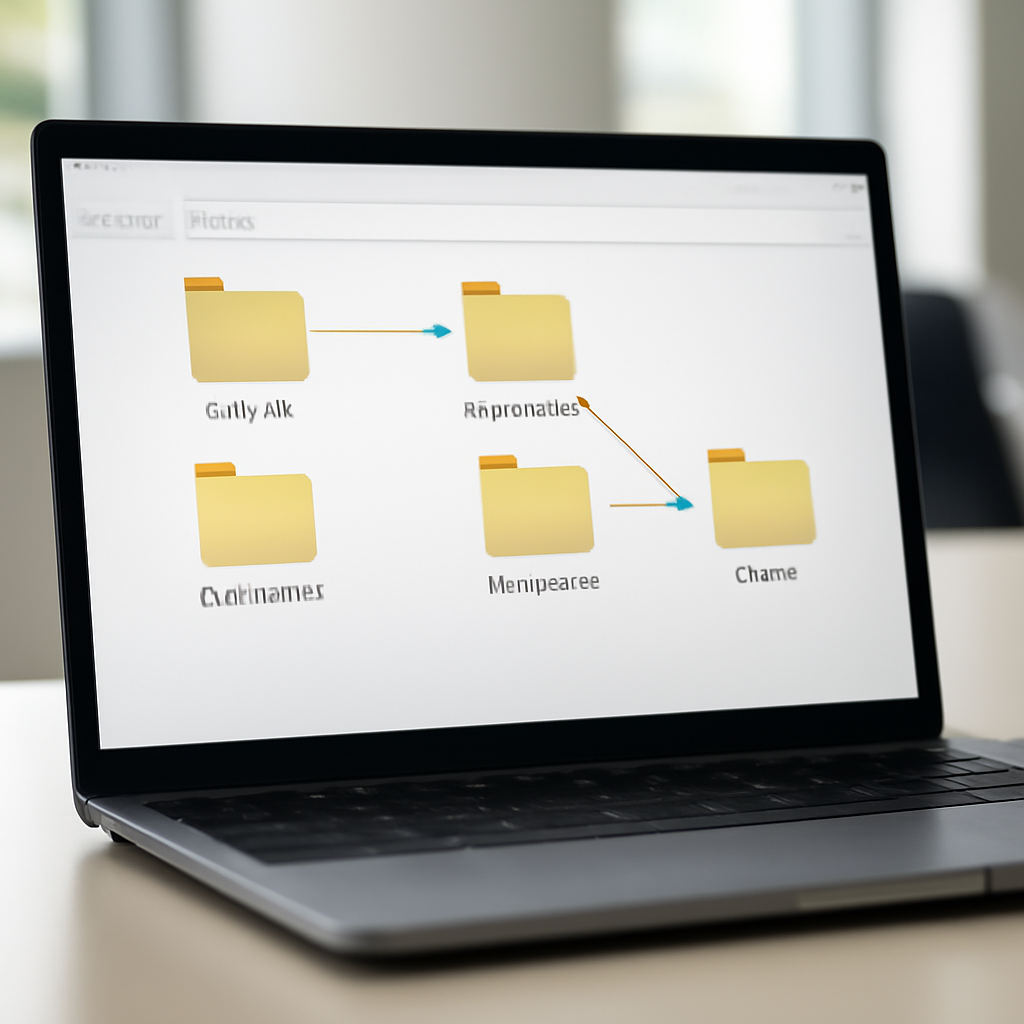
Malware creators have found a sneaky way to evade detection by using NTFS junctions, a feature that's normally used to connect directories, to create hidden paths that can bypass security defenses like Microsoft Defender. By exploiting this vulnerability, attackers can cleverly disguise their malware's true location, making it harder to detect.

Cybersecurity professionals are facing a harsh reality: 68% say their job has become significantly harder in just two years, with many also being shut out of key technology decisions that impact their work. This alarming trend is backed by eight years of data, highlighting a growing crisis in the industry.
Full-platform Rapid7 rollouts - InsightVM, InsightIDR, event sources, agents, tuning - by a Registered Partner who has done it at state-agency scale, including OT/SCADA.
Talk deployment
Despite having access to a flood of IP data, security teams are struggling to turn it into actionable insights, with a staggering 94% of security incidents involving anonymized infrastructure that exposes reactive security gaps. The sheer volume of data is creating a clarity crisis, with analysts overwhelmed by signals but lacking the context needed to respond effectively.

Meet Athena, a groundbreaking coalition and platform that helps safeguard open-source software from AI-driven threats by streamlining vulnerability detection, private remediation, and coordinated disclosure. By joining forces, Athena members can proactively protect the entire open-source ecosystem from emerging risks.

With women making up only 17 percent of Australia's cybersecurity workforce, the industry's glaring gender gap leaves us vulnerable to AI-driven threats and puts women at greater risk of online harms. Closing this gap is crucial to bolstering our digital protection and ensuring a safer online world for all.

The clock is ticking: in the blink of an eye, just 72 minutes, attackers can breach your defenses and make off with your data, highlighting a daunting speed gap between threat actors and security teams. This alarming acceleration demands a serious rethink of traditional security operations.

Cisco has warned of a critical vulnerability in its SD-WAN system that allows attackers to gain root access by sending a malicious HTTP request. This flaw, now patched, could have let hackers create or overwrite files and ultimately elevate their privileges.

A researcher discovered that a simple code prompt to "fix this code" sparked a surprisingly swift and alarmed reaction from federal authorities regarding the Fable 5 model. However, the researcher disputes that this incident constituted a jailbreak, downplaying its significance.

A critical vulnerability in SimpleHelp, known as CVE-2026-48558, lets hackers create rogue remote support accounts and gain privileged access to servers, allowing them to execute scripts and wreak havoc on your system. This gaping security hole enables unauthenticated attackers to bypass multi-factor authentication and log in as a Technician user, putting your entire network at risk.

The US Department of Defense is overhauling its cyber defense strategy, shifting towards a holistic approach that emphasizes cyber resilience, enterprise modernization, and operational effectiveness. Chief Information Officer Kirsten Davies is leading the charge, driving practical reforms to boost automation, streamline processes, and strengthen cybersecurity across the department.
Evidence in spreadsheets, controls drifting between audits, frameworks multiplying on flat headcount. Nubivance runs continuous compliance on Rapid7 Cyber GRC - SOC 2, HIPAA, ISO 27001, PCI, CMMC.
End the scramble
A shocking vulnerability chain in LiteLLM has been discovered, allowing hackers to hijack servers with just a low-privilege account, and experts warn it's a critical threat with a near-perfect CVSS score of 9.9. By chaining three distinct bugs, attackers can escalate their access to full admin rights and run code on the server.

A critical lapse in Microsoft's SSL certificate caused widespread disruption, leaving IT professionals scrambling with untrusted-connection warnings when testing Microsoft 365 connectivity via connectivity.office.com. The certificate expired on June 14 and took 35 hours to address, impacting routine diagnostics and network checks.

The line, "I spent the weekend burning through Claude tokens," set the tone for a discussion on the risks and opportunities of AI-driven code sprawl, a pressing concern for CISOs. How can security leaders maintain control when AI puts code-writing capabilities in every employee's hands?

Poorly handled onboarding passwords can put entire corporate systems at risk, exposing sensitive data to potential breaches - and it's a problem that's easier to prevent than you think. Temporary passwords sent via email or SMS can be intercepted, forwarded, or compromised, creating an open invitation for attackers.

Pakistan is ramping up its defence spending with a record PKR 3.0 trillion budget for 2026-27, a 17.65% increase from the previous year, which translates to around $10.76 billion USD. This significant boost comes as the country navigates economic challenges, including currency fluctuations.

By empowering teams to build their own AI-powered tooling and iterate on the best approaches, the Government Cyber Coordination Centre (GC3) successfully uncovered over 400 vulnerabilities in a series of innovative hackathons. This collaborative, flexible approach allowed teams to create bespoke solutions that effectively scanned public code repositories across nine government departments.

Meet Johannes Link, a self-proclaimed AI skeptic who's taking a stand against AI-powered coding agents by weaponizing his own code - specifically, the Java property-testing tool jqwik - to disrupt their operations. His latest software update includes a clever anti-AI clause designed to throw a wrench in the works.

A critical vulnerability in Splunk Enterprise, rated 9.8 on the CVSS scale, leaves systems open to devastating attacks, allowing unauthenticated hackers to execute malicious code and wreak havoc. This shocking flaw, tracked as CVE-2026-20253, enables attackers to create or truncate files with ease, putting your entire system at risk.