[SPONSOREDNUBIVANCE]
Rapid7 deployed right the first time.
Full-platform Rapid7 rollouts - InsightVM, InsightIDR, event sources, agents, tuning - by a Registered Partner who has done it at state-agency scale, including OT/SCADA.
Talk deployment
The game-changing arrival of decision-only AI models is revolutionizing alert triage in cybersecurity, particularly with a staggering 25 million alerts triaged across a vendor's customer base in 2025. This is ushering in a new era of operational efficiency with models like Jev, OpenAI Decisions, and cribl-decision leading the charge.
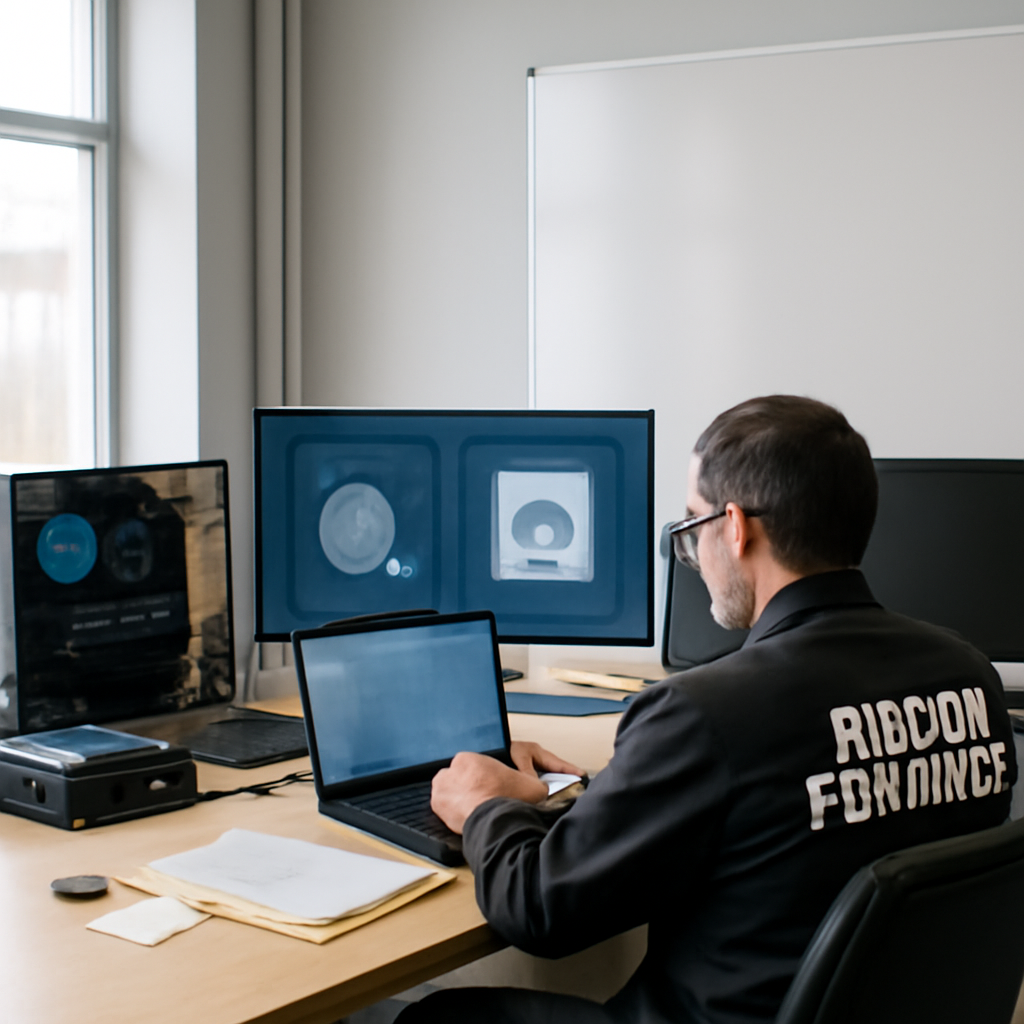
When it comes to AI-driven investigative work, human examiners must remain in the driver's seat, verifying and validating every finding to ensure digital forensics integrity. Without transparent reasoning and a clear source file, even the most confident AI output is only as reliable as the examiner's ability to confirm it.
Mid-market IT leaders are under siege, facing the same daunting cybersecurity threats as large enterprises but with limited resources to defend themselves. As a result, understaffed IT teams are forced to juggle fragmented tools, leaving them vulnerable to attacks and stuck in reactive mode.

While it's heartening to see UK schools bouncing back faster from cyber breaches, the loss of coursework or marks can still cause significant disruption for students and erode staff confidence long after systems are restored.

Most security leaders struggle to confidently answer the board's toughest questions: How secure is the organization overall, what's the actual financial exposure, and is our posture improving? The problem isn't a lack of data, but scattered context that's making it hard to provide clear answers.

England's secondary schools are getting better at fending off cyber threats, with a significant drop in reported incidents - but the real test is in recovering quickly when attacks do happen. A recent Ofqual survey shows 27% of schools reported a cybersecurity incident in 2025/26, down from 34% in 2023/24.

As AI takes on more tasks, security operations center (SOC) analysts are gaining a boost in capacity and more time to tackle complex work - but this shift also raises important questions about skill development and trust in AI. With nearly half of respondents citing greater capacity as a top impact of AI, it's clear that analysts are getting a productivity lift.

Kiteworks swiftly responded to credible threat intelligence from federal authorities by temporarily shutting down operations, a move that wasn't taken lightly, and is now safely back online. The precautionary measure was taken to protect customers from a potential imminent threat.
Full-platform Rapid7 rollouts - InsightVM, InsightIDR, event sources, agents, tuning - by a Registered Partner who has done it at state-agency scale, including OT/SCADA.
Talk deployment
The harsh reality is that cybersecurity skills decay is happening at a pace that far outstrips organizational readiness, leaving companies scrambling to get new hires up to speed. While two-thirds of organizations expect new cybersecurity hires to be fully productive within three months, in reality, it takes a whopping six months for most to reach that level.

If you've installed the latest Windows updates, you might be experiencing desktop loading issues - including frustrating black screens - but don't worry, Microsoft has a simple fix: just install and configure the Group Policy, and restart your device. This solution should get your desktop up and running smoothly again.

The UK's 2022 "defend as one" cybersecurity approach hit a roadblock, faltering on the assumption that simply issuing standards and requiring assurance would drive compliance across its sprawling, 465-strong network of ministries, agencies, and public bodies. A new service-led model for cybersecurity governance is taking its place.

The harsh reality is that most organizations are flying blind, with 82% reporting visibility gaps and 96% struggling to pinpoint the root cause of incidents due to incomplete data. Despite using industry-standard observability tools, enterprises are failing to get the insights they need to stay ahead of cyber threats and ensure smooth operations.

The EU's €1.4bn cybersecurity effort is being hindered by a critical gap in information sharing, leaving it vulnerable to large-scale cyber incidents. Better coordination and data exchange between countries and agencies are urgently needed to strengthen its defenses.

Most organizations are playing catch-up when it comes to preparing for AI-related incidents, with a staggering 71% having never even rehearsed their response to AI-driven threats. This lack of preparedness is alarming, especially as AI is increasingly being used to detect and respond to security threats.

House Democrats are pushing for a comprehensive review of the Cybersecurity and Infrastructure Security Agency's workforce to ensure America's cyber defenses are equipped to tackle growing threats. The proposed assessment would determine if the agency has the right personnel, training, and certifications to succeed.

Attacks are getting more complex, with 43% of incidents spreading across four or more environments - and in some cases, as many as eight. Security teams struggle to piece together these cross-environment attacks, making it crucial to connect the dots between disparate signals.
Evidence in spreadsheets, controls drifting between audits, frameworks multiplying on flat headcount. Nubivance runs continuous compliance on Rapid7 Cyber GRC - SOC 2, HIPAA, ISO 27001, PCI, CMMC.
End the scramble
Want to catch cyber attackers in the act? Planting decoy files, accounts, and credentials inside your network can expose machine-driven threats and help you detect breaches before they cause harm.

The Continuous Diagnostics and Mitigation program at CISA is shifting into high gear, with a focus on speed, unification, and data-driven risk management to supercharge federal cybersecurity. We have to get faster, and CISA is taking bold steps to equip federal entities to defend themselves against rapidly evolving threats.

The harsh reality is that most ransomware recovery plans fail to deliver, with a staggering 99.5% of over 800 clients assessed by Fenix24 missing their 24-48 hour recovery targets. Even partial recoveries were rare, and full operations often took weeks to restore.

The surge in AI adoption is sending shockwaves through security operations, with AI-related alerts skyrocketing 685% in just a few months - and overwhelming teams with false alarms. This tidal wave of activity is clogging up systems, with nearly 73,000 AI-related alerts pouring in out of 16.9 million total SOC alerts.

There's a jarring disconnect between cybersecurity confidence and actual readiness, with 91% of leaders feeling secure, yet only 8% making it a lasting priority after an incident. This gap is starkly illustrated by the 44% of organizations that made no meaningful changes after being hit, despite swift fixes.
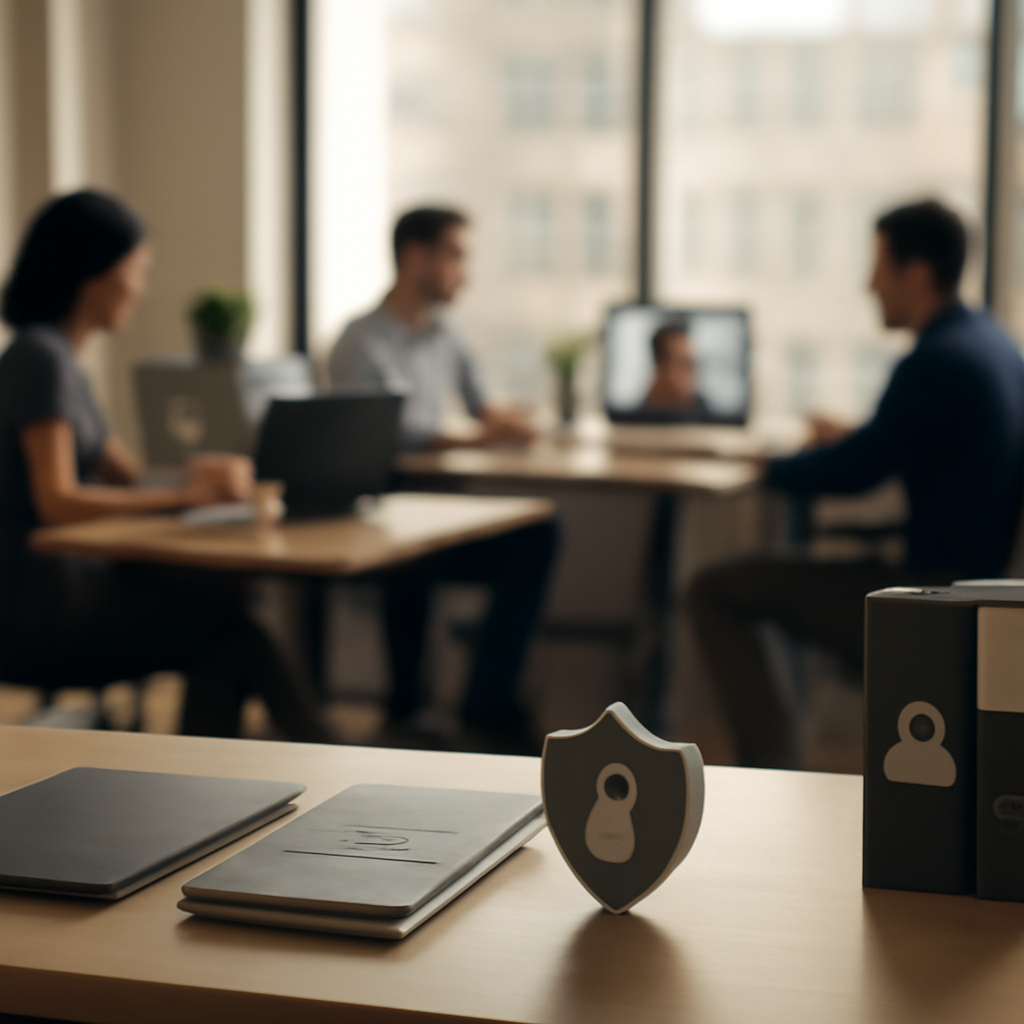
The Cybersecurity and Infrastructure Security Agency (CISA) has updated its Insider Threat Mitigation Guide to tackle today's complex risks, offering fresh insights and resources to help organizations stay ahead. This update acknowledges that insider threats are no longer just about disgruntled employees, but also about adapting to emerging trends like AI and remote work.

Stay ahead of insider threats with the latest guidance from CISA's revised Insider Threat Mitigation Guide, your go-to playbook for protecting your organization from evolving security risks. The updated guide offers practical advice on tackling emerging challenges like hybrid work, AI, and more.

When IT outages strike, clear communication is key - and that means ditching the PR spin and getting straight to the facts. The CISA and FBI recommend a straightforward approach: provide regular, transparent updates that separate knowns from unknowns.