[SPONSOREDNUBIVANCE]
Rapid7 deployed right the first time.
Full-platform Rapid7 rollouts - InsightVM, InsightIDR, event sources, agents, tuning - by a Registered Partner who has done it at state-agency scale, including OT/SCADA.
Talk deploymentGeneral cybersecurity news and analysis

Security researchers have uncovered Android spyware tied to Iran’s MOIS that can read WhatsApp, record audio and video, and search files—turning everyday phones into powerful surveillance tools that put journalists, activists, and regular users at risk. Stay vigilant: update apps, check permissions, and use trusted security practices to protect your device.

This week’s roundup uncovers alarming flaws—from a critical SharePoint bug that can expose entire orgs to a Chrome exploit that makes ordinary browsing risky—showing attackers now target overlooked misconfigurations as much as flashy zero-days. Stay ahead by prioritizing patching, hardening defaults, and boosting monitoring to keep your data safe.

A critical SharePoint zero-day has surfaced that can let attackers move from a foothold to full data theft—here’s what to patch, harden, and monitor now to stop it. With simple fixes like prompt updates, stricter configs, MFA, and better logging, you can turn a risky platform back into a safe collaboration tool.

AI Zero Trust turns verification and least‑privilege into a proactive, adaptive defense that spots, predicts, and responds to threats in real time—reducing friction for legitimate users while tightening security. Do it right by investing in clean telemetry, explainable models, privacy safeguards, and human oversight to avoid bias and stay ahead of adversaries.

AI-powered Zero Trust promises smarter, faster defenses—adaptive risk scoring, real-time responses, and less analyst fatigue—but also introduces risks like biased models, data poisoning, and tricky governance challenges. Balancing those trade-offs with quality data, transparent policies, and human oversight is essential to make AI Zero Trust both effective and trustworthy.

Microsoft’s blunt warning is a wake-up call: treat on‑prem SharePoint as if it’s already been compromised and act now. Start with urgent patches, MFA, segmentation and enhanced monitoring, run breach‑assumption drills, and bake backups, audits, and user training into an ongoing security plan.

Alaska Airlines’ sudden IT outage that grounded its fleet laid bare how fragile modern air travel really is — leaving passengers stranded, questions unanswered, and a clear call for better tech, transparency, and trust.

Microsoft warns on‑prem SharePoint servers are being actively targeted—assume compromise and take action now. Patch and harden systems, enforce least privilege, boost monitoring, and have an incident‑ready recovery plan to stop data loss before it happens.
Full-platform Rapid7 rollouts - InsightVM, InsightIDR, event sources, agents, tuning - by a Registered Partner who has done it at state-agency scale, including OT/SCADA.
Talk deployment
Think your FIDO key makes you untouchable? PoisonSeed’s QR‑phishing scam shows how a convincing QR scan and fake approval prompt can trick users into granting access—learn how these attacks work and what simple steps you can take to stay safe.

The PoisonSeed Hack reveals how clever QR-based phishing can trick FIDO authenticators—meaning even “phishing-resistant” logins can be hijacked when users approve vague prompts. Learn how to spot fake QR flows, tighten approval UX, and train teams so attackers can’t exploit convenience and trust.

Microsoft has released an urgent out-of-band patch for a critical SharePoint RCE vulnerability being actively exploited—apply the update to all on-premises servers now to prevent data theft, lateral movement, or ransomware. Verify previous mitigations, ramp up monitoring, and ensure backups and incident plans are ready to limit any damage.

A newly disclosed SharePoint RCE is being actively exploited—apply Microsoft’s emergency patches immediately and scan for signs of compromise. Then harden access controls, rotate credentials, and verify backups so a single flaw can’t turn into a major breach.

HPE Instant On access points were found to contain unchangeable, hard‑coded credentials (CVE‑2025‑37103, CVSS 9.8), effectively creating a built‑in backdoor—if you manage these devices, inventory affected models, apply vendor patches, and lock down remote access now. This wake‑up call proves why secure‑by‑design firmware and rapid patching are nonnegotiable.

HPE Instant On access points were found to contain unchangeable, hard‑coded admin credentials (CVE‑2025‑37103, CVSS 9.8), a flaw that could let attackers bypass authentication and seize control. If you use these devices, inventory them, apply HPE’s patches, and tighten admin access immediately.

Imagine visiting a harmless site and unknowingly lending your device’s power to hidden crypto miners — over 3,500 legitimate webpages were recently found doing just that. Stay alert: update your browser, use trusted blockers, and check for unexplained slowdowns to protect your performance, privacy, and battery life.

Microsoft’s admission that three on‑prem SharePoint Server versions are being hit by a zero‑day—after previous patching failures—is a wake‑up call for organizations to urgently protect sensitive data and rethink the risks of clinging to legacy systems.
Evidence in spreadsheets, controls drifting between audits, frameworks multiplying on flat headcount. Nubivance runs continuous compliance on Rapid7 Cyber GRC - SOC 2, HIPAA, ISO 27001, PCI, CMMC.
End the scramble
Web3 developers are being targeted by a sophisticated scam—EncryptHub (aka LARVA-208/Water Gamayun) uses fake AI platforms like Norlax AI and Teampilot to deliver info-stealers disguised as job offers or portfolio reviews. Learn how to spot these impersonations and protect your projects, reputation, and community before it’s too late.

Microsoft confirmed a SharePoint zero-day in on‑prem servers that’s already being exploited — if you run on‑prem SharePoint, now’s the time to inventory systems, apply Microsoft’s mitigations, and tighten access controls. Don’t wait for a patch: quick steps like network segmentation, MFA, and enhanced monitoring can stop attackers from turning this flaw into a major breach.

EncryptHub is targeting Web3 developers with convincing fake AI platforms, so learn to spot spoofed sites, verify domains and social profiles, and never share private keys. Use hardware wallets, multisig, and secure development practices to keep your projects and funds safe.

Russian state-backed hackers have unleashed stealthy Microsoft-targeted malware to hijack Outlook accounts—exposing how fragile our email defenses can be. Now’s the time to tighten security with phishing-resistant MFA, vigilant monitoring, and smarter user habits to stay one step ahead.

A critical SharePoint zero-day (CVE-2025-53770) is actively exploited across 75+ companies—if you manage SharePoint, act now: prioritize patching, tighten monitoring, and test your incident response to protect sensitive documents and limit damage.

More than 75 organizations are already being targeted by a newly weaponized SharePoint zero-day that lets attackers run code, plant webshells, and quietly siphon sensitive data—so if your SharePoint servers are internet-facing or integrated with critical systems, treat this as an immediate emergency. Start inventorying exposed instances, enforce MFA, apply patches or mitigations, and hunt for signs of compromise now before attackers move deeper into your environment.
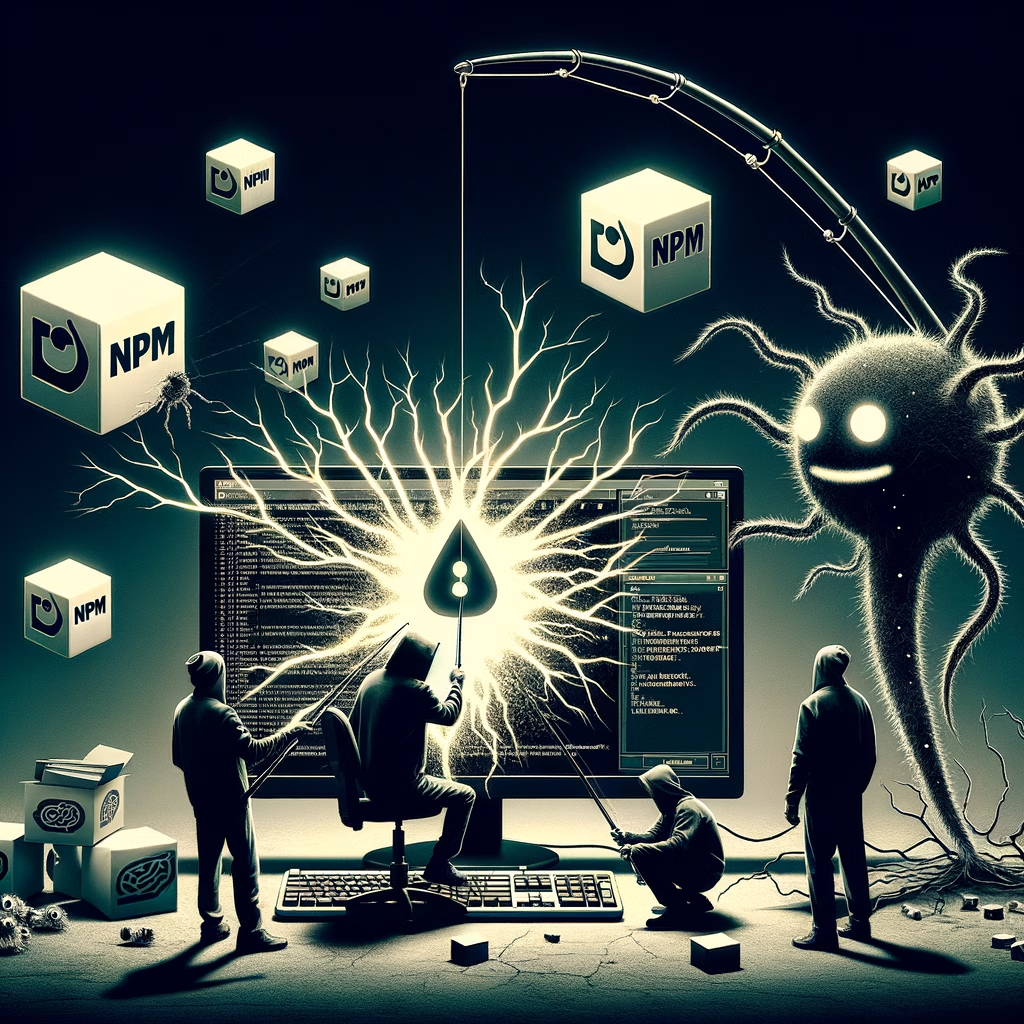
A targeted phishing attack that slipped malicious code into five npm packages shows how easily supply chains can be weaponized. Treat publish tokens like private keys—enable 2FA, rotate credentials, and demand package signing and provenance to stop the next breach.

A critical CrushFTP flaw (CVE-2025-54309, CVSS 9.0) is being actively exploited to gain admin access—if you run versions before 10.8.5 or 11 before 11.3.4_23 and don’t use the DMZ proxy, patch immediately. Inventory your instances, enable DMZ proxy where applicable, and ramp up monitoring now to block attackers.