[SPONSOREDNUBIVANCE]
Rapid7 deployed right the first time.
Full-platform Rapid7 rollouts - InsightVM, InsightIDR, event sources, agents, tuning - by a Registered Partner who has done it at state-agency scale, including OT/SCADA.
Talk deploymentGeneral cybersecurity news and analysis

Researchers from Google Project Zero and ETH Zurich have uncovered a new Rowhammer-style flaw that can bypass DDR5 protections on certain AMD + SK Hynix combos, potentially letting attackers flip or read memory beyond intended bounds. If you run affected hardware, keep an eye on vendor advisories and apply firmware or microcode updates as they become available.

Google just revealed that criminals created a fraudulent account in its Law Enforcement Request System (LERS), exposing a worrying gap in the trusted channel police and courts use to obtain sensitive user data. The incident sparks a necessary push to tighten verification, protect investigations, and rebuild public confidence in the systems meant to keep us safe.

Apple rushed a rare backport to iPhone 8 and some iPads after a recently patched zero‑day appears to have been used in highly sophisticated, targeted spy attacks — a reminder that even older phones can be weaponized and updates matter.

A China-origin tool called AI-native Villager has quietly topped 11,000 PyPI downloads, combining Kali Linux and DeepSeek into an easy-to-use pen-testing automation that’s as useful for defenders as it is tempting for attackers. That rapid uptake underscores a growing dilemma: powerful, AI-driven tooling can speed security work — and just as quickly widen the pool of potential abusers.

A self-replicating worm has infected nearly 200 NPM packages, stealing developer tokens and publishing them to public GitHub repos so each install can expose even more credentials. If you use open-source dependencies, now’s the time to audit builds, rotate keys, and lock down your developer workflows before the next propagation wave hits.

Beware: a fast-moving campaign called FileFix fakes Facebook security alerts to trick users into downloading tools that actually install the StealC infostealer and follow-on downloaders. Stay cautious—verify alerts inside the official app, never run executables from links, and enable phishing-resistant MFA.

Good news: HMRC-branded email phishing fell sharply in early 2025, suggesting tech fixes and public awareness are having an impact — but don’t relax yet. Scammers are pivoting to SMS, social and AI-enhanced tricks, so stay sceptical, verify contacts and report anything suspicious.

Apple has backported a fix for CVE-2025-43300 — a high‑severity ImageIO flaw actively exploited in the wild — so update now to block image‑based attacks that can crash or hijack your device. If you can’t upgrade, install Apple’s backported updates for older iOS, iPadOS and macOS builds and be extra cautious opening unexpected images.
Full-platform Rapid7 rollouts - InsightVM, InsightIDR, event sources, agents, tuning - by a Registered Partner who has done it at state-agency scale, including OT/SCADA.
Talk deployment
As AI agents take on more autonomy, Astrix’s new AI control plane promises centralized visibility, policy enforcement and fast remediation—so security teams can rein in rogue agent actions and reduce risk without sacrificing productivity.

Jaguar Land Rover says it’s working around the clock after a cyberattack that has paused production at its UK plants until at least 24 September, leaving workers idle and customers facing delays. The disruption is a stark reminder that modern cars—essentially computers on wheels—are only as resilient as the networks that power them.

Thales’ report of 40,000+ API incidents in H1 2025 shows APIs have gone from a niche technical risk to a boardroom emergency — attackers are automating probes, scraping data and abusing business logic at scale. Now’s the moment to move API security from a checkbox to a strategic priority with discovery, fine‑grained auth, rate limiting and runtime protection.

China’s new one-hour rule forces network operators to report “serious” cyber incidents almost instantly — a move that could speed containment and national coordination but also forces painful trade-offs between accuracy, privacy and operational reality.

Over 40 npm packages were quietly republished with an injected bundle.js that steals credentials, turning trusted modules into stealthy supply‑chain lures. Lock down maintainer accounts, enable MFA and artifact signing, and scan for unexpected postinstall scripts to stop this kind of attack.

A single plaintext file of MFA recovery codes on a desktop turned a security convenience into an org‑wide breach tied to the SonicWall attacks — a stark reminder that strong tech fails when basic procedures are ignored. Treat recovery codes like passwords: store them encrypted or offline, enforce controls, and stop letting convenience hand attackers the keys.

A China-aligned group called Mustang Panda has paired an updated TONESHELL backdoor with a USB worm named SnakeDisk that only activates for Thailand-based devices to drop a persistent Yokai backdoor — a surgical, geographically targeted campaign that ups the stakes for anyone who plugs in removable media. Stay cautious with USB drives and tighten removable-media policies: this is a reminder that one careless plug can invite long-term access.
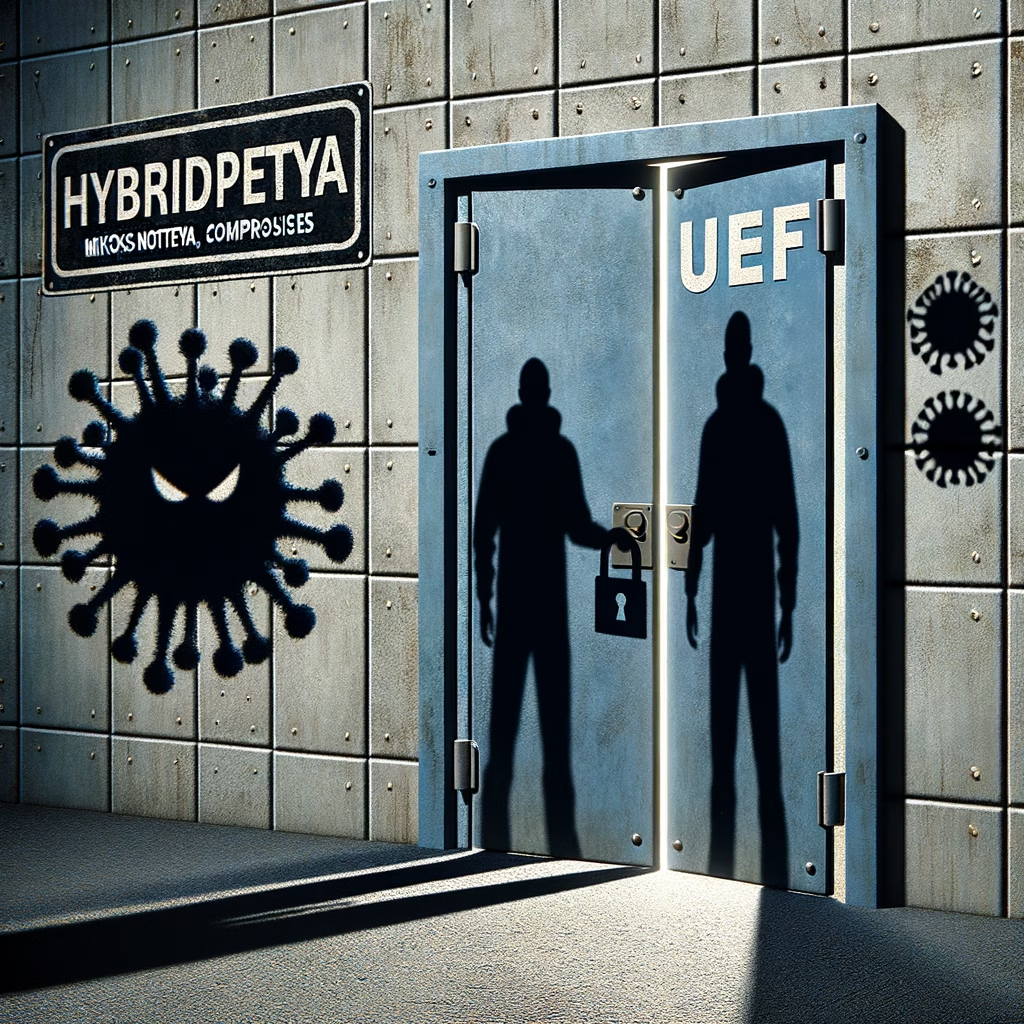
HybridPetya blends NotPetya-style destructive tricks with a UEFI bootkit that can survive OS reinstalls and even attempt to bypass Secure Boot, forcing teams and everyday users to rethink recovery and firmware defenses. If you assume reinstalling Windows is enough, this threat is a wake-up call to harden firmware, backups and pre-boot integrity checks.
Evidence in spreadsheets, controls drifting between audits, frameworks multiplying on flat headcount. Nubivance runs continuous compliance on Rapid7 Cyber GRC - SOC 2, HIPAA, ISO 27001, PCI, CMMC.
End the scramble
Who has the keys? Identity Governance and Administration puts that question to rest by giving you centralized visibility into who can access what, why they have it, and when to revoke it — so you can reduce risk, streamline onboarding, and prove compliance.

Search results are being weaponized: lookalike download pages boosted by SEO are tricking Chinese Windows users into installing trojanized installers carrying Hiddengh0st and Winos. Always grab updates from vendor channels, verify installer signatures, and be suspicious of search results that look “too convenient.”

North Korean-linked hackers are using ChatGPT and image AI to forge photorealistic military IDs and craft highly convincing spear-phishing lures that can fool even seasoned professionals. It’s a wake-up call: stronger verification, cryptographic signing and vigilant cyber-hygiene are now essential to stop AI-enabled deception.

Researchers say North Korean operatives used ChatGPT to craft a convincing fake South Korean military ID, showing how generative AI can supercharge social-engineering and produce forgeries that easily fool human reviewers. It’s a wake-up call: organizations need stronger cryptographic identity checks, smarter detection tools, and better staff training so polished prose no longer equals trust.

We’ve hardened email — it’s time to treat browsers as the frontline: discover the six browser-based attacks every security team must prioritize now and the practical defenses to keep users, credentials, and networks safe.

When watchdogs say CISA mismanaged a retention bonus program, it’s not just about wasted money — it’s about trust, talent gaps, and the agency’s ability to defend our networks. The OIG’s findings force a careful balance: tighten controls and accountability without hamstringing efforts to recruit and keep the cyber experts we need.

Attackers are weaponizing legitimate remote-management tools with convincing phishing that tricks users into installing or granting access—letting them move laterally, steal data, or deploy ransomware. Learn practical defenses—from behavioral analytics and least-privilege RMM setups to MFA, segmentation, and clear user procedures—that stop these dual-use tools from becoming a corporate catastrophe.

Imagine downloading what looks like legitimate software only to find your PC compromised — attackers are using SEO tricks and GitHub Pages to push kkRAT to Chinese-speaking users by creating convincing fake download pages and hijacking search rankings. Fortinet warns this weaponized trust turns routine searches into infection vectors, so stick to vendor sites and double-check every download.