[SPONSOREDNUBIVANCE]
Know a small business winging it on security?
No IT department, no security budget, real exposure. Nubivance builds right-sized security foundations for small companies. Send them this.
Send it alongGeneral cybersecurity news and analysis

What if the message promising help handed attackers the keys? The PhantomCaptcha campaign did exactly that — a surgical phishing blitz using believable impersonation and innocuous-looking attachments to steal credentials and threaten Ukraine relief efforts.

Meet the PhantomCaptcha campaign: a short, surgical phishing blitz that tricks aid groups with believable emails and weaponized attachments to steal credentials and install persistent backdoors. The result puts NGOs, local governments and Ukraine relief efforts at risk of disrupted operations, exposed donor and logistics data, and long‑term compromise.

A late‑September cyber-attack on Jaguar Land Rover froze production, threatened jobs and forced ministers to underwrite up to £1.5bn — turning a corporate breach into an estimated £1.9bn crisis that asks: who ultimately pays?

PhantomCaptcha hijacks trusted-looking emails to trick aid workers into opening weaponized attachments that install credential stealers and remote access tools, risking disruption of Ukraine relief operations. Learn its tradecraft—plausible senders, urgent subjects, and innocuous file types—so a single click doesn’t hand attackers the keys.

Get an exclusive look at the dangerous global MuddyWater phishing campaign—how it operates, who it targets, and simple, practical steps you can take today to stay protected.
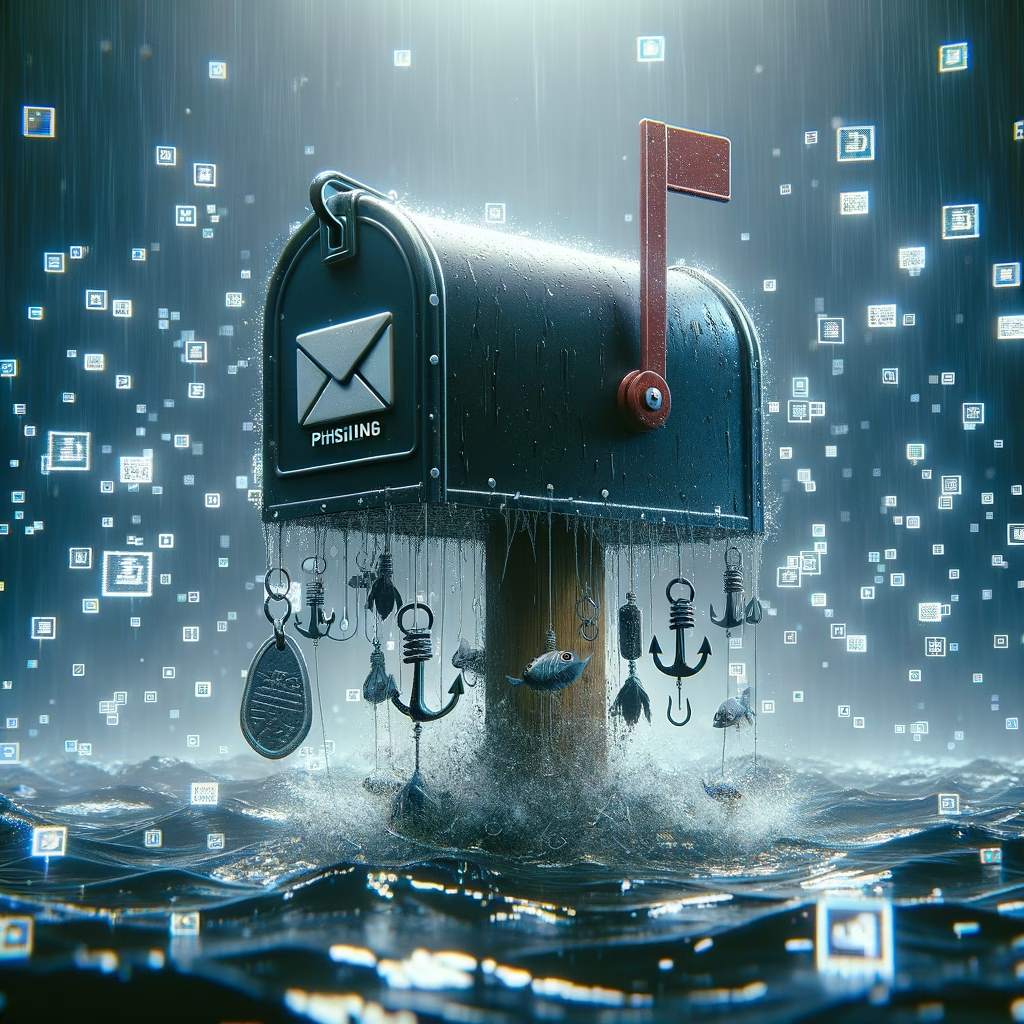
Think your inbox is safe? MuddyWater’s latest phishing wave shows how compromised mailboxes let attackers steal credentials and session tokens, impersonate colleagues, and turn a single click into long‑term espionage across organizations.

Who knew the silence of a factory could cost billions? A cyber-attack on Jaguar Land Rover knocked production and deliveries about 25%—a blow analysts put at roughly £1.9bn—as disrupted IT systems rippled through factories, supply chains and dealer networks.

Singapore officials impersonated in a sophisticated, costly scam—learn how it works and simple steps to protect yourself before you become a target.
No IT department, no security budget, real exposure. Nubivance builds right-sized security foundations for small companies. Send them this.
Send it along
Think twice before trusting top search results: criminals are buying Google ads to surface near‑perfect clones of Singapore government sites and using AI-generated deepfakes of real officials to trick investors into wiring funds or handing over credentials.
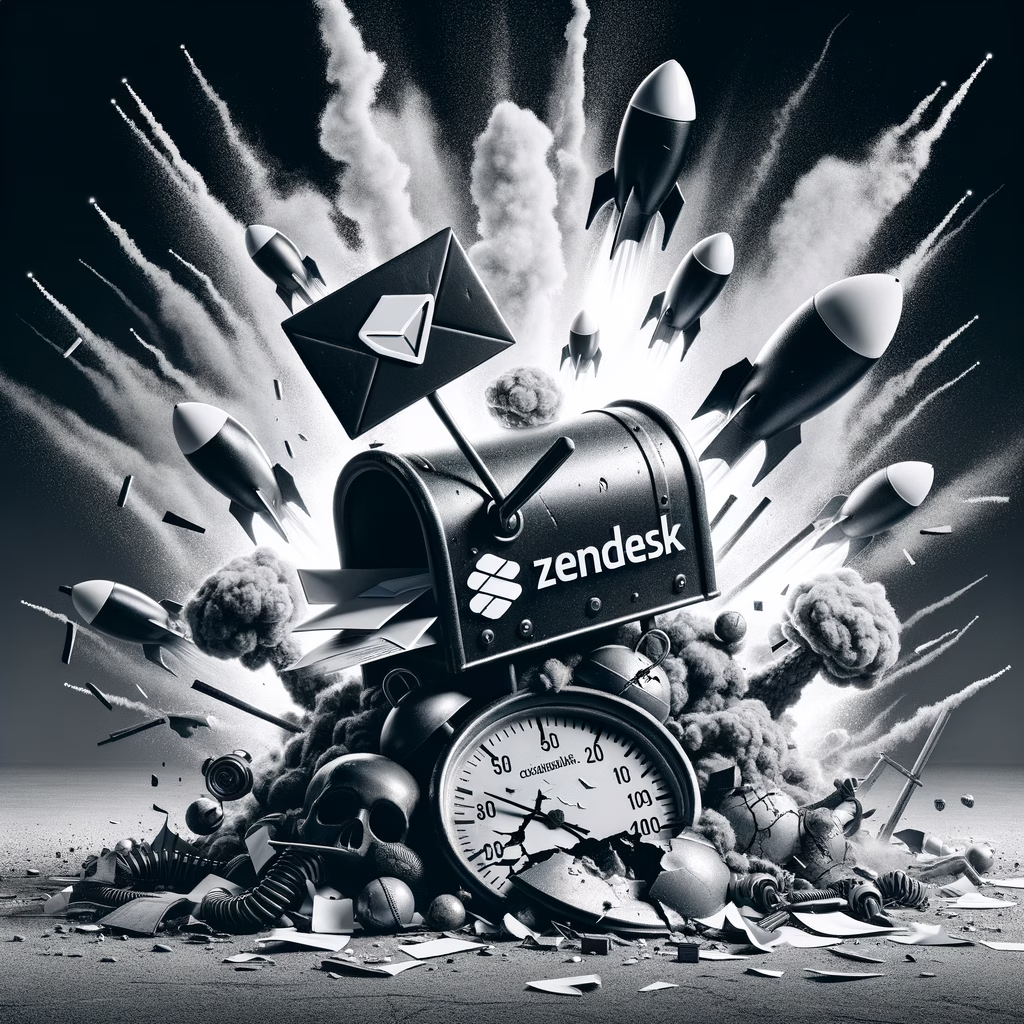
When attackers turned a customer-service tool into a weapon, thousands got threatening email bombs that appeared to come from trusted brands—exploiting Zendesks lax outbound authentication and showing how convenience can suddenly erode online trust.

Imagine your inbox suddenly flooded with threatening messages from your bank, favorite store and utility — thats the reality of the recent email bombs attack, which abused Zendesk’s outbound mail to make malicious messages look legitimate. The episode exposes how convenient customer-service tools can be weaponized when email authentication is misconfigured, letting dangerous mail slip into primary inboxes.

Microsofts October Patch Tuesday — which fixed 172 vulnerabilities and patched at least three flaws already being exploited — also sounded the retirement bell for free Windows 10 security updates. If youre still on Windows 10, the clock is ticking: patch, upgrade, or put mitigations in place before attackers reap the payoff.

Patch Tuesday just dropped — don’t miss this critical End of 10 alert. Find out what you need to update now to keep your systems secure.

Imagine fighting a storm when most of the clouds are over your own house — that’s the Aisuru DDoS. A near‑record 30 trillion bps flood from hijacked home IoT devices clustered on AT&T, Comcast and Verizon networks forced ISPs to choose between cutting off millions with blunt defenses or chasing slow, costly surgical fixes.

A fast-spreading self-replicating worm has already infected 180+ packages—our exclusive breakdown reveals how it spreads, who’s at risk, and the quick steps you can take to protect your projects.

EU sanctions couldnt stop a notorious bulletproof hosting provider—it reconstituted under new names and kept serving the same clients. Our exclusive reporting shows how shell companies, domain and IP migrations, and rapid rebrands preserved a hostile infrastructure, a wake-up call for regulators and defenders.
Evidence in spreadsheets, controls drifting between audits, frameworks multiplying on flat headcount. Nubivance runs continuous compliance on Rapid7 Cyber GRC - SOC 2, HIPAA, ISO 27001, PCI, CMMC.
End the scramble
Imagine one convincing phishing email letting attackers slip crypto‑stealing code into 18 popular JavaScript packages — collectively downloaded billions of times each week. The breach lays bare how fragile the software supply chain is: a single compromised maintainer can push malicious updates into countless projects and developer environments.

Who owns the answer to Jim Sanborn’s famously unsolved Kryptos puzzle — the artist, the public, or the researchers who say they found the key in his Smithsonian papers? Two investigators claim archival notes and a copper proof plate now headed to auction reveal K4’s missing piece, but legal threats and a decision not to publish have turned the revelation into a tangled debate about provenance, access, and ethics.

Who owns the answer to Kryptos’s long-unsolved fourth passage—the artist, the researchers who found it in Sanborn’s Smithsonian archives, or the private buyer poised to lock it away? Two teams say they recovered K4’s plaintext from Sanborn’s papers and proof plates now headed to auction, sparking legal threats and a tense standoff between discovery and public access.

Our exclusive look at the F5 breach reveals the widespread fallout and practical steps you can take now to shore up your defenses.

If you rely on BIG‑IP appliances, take notice: F5 says a sophisticated, likely nation‑state threat actor maintained covert, long‑term access to the systems that build and push updates — potentially turning a trusted update channel into a vector for widespread compromise.

When face recognition systems meant to speed and secure our lives misidentify people with facial differences, the result is more than inconvenience — it can lock people out of banks, services, and dignity. High lab scores hide a harsher reality: algorithms trained on ideal photos fail in real-world lighting, angles, and diversity, turning smart tech into a barrier for many.

Think face recognition is foolproof? The startling, often dangerous failures of these systems expose privacy, security, and fairness risks we can’t ignore.
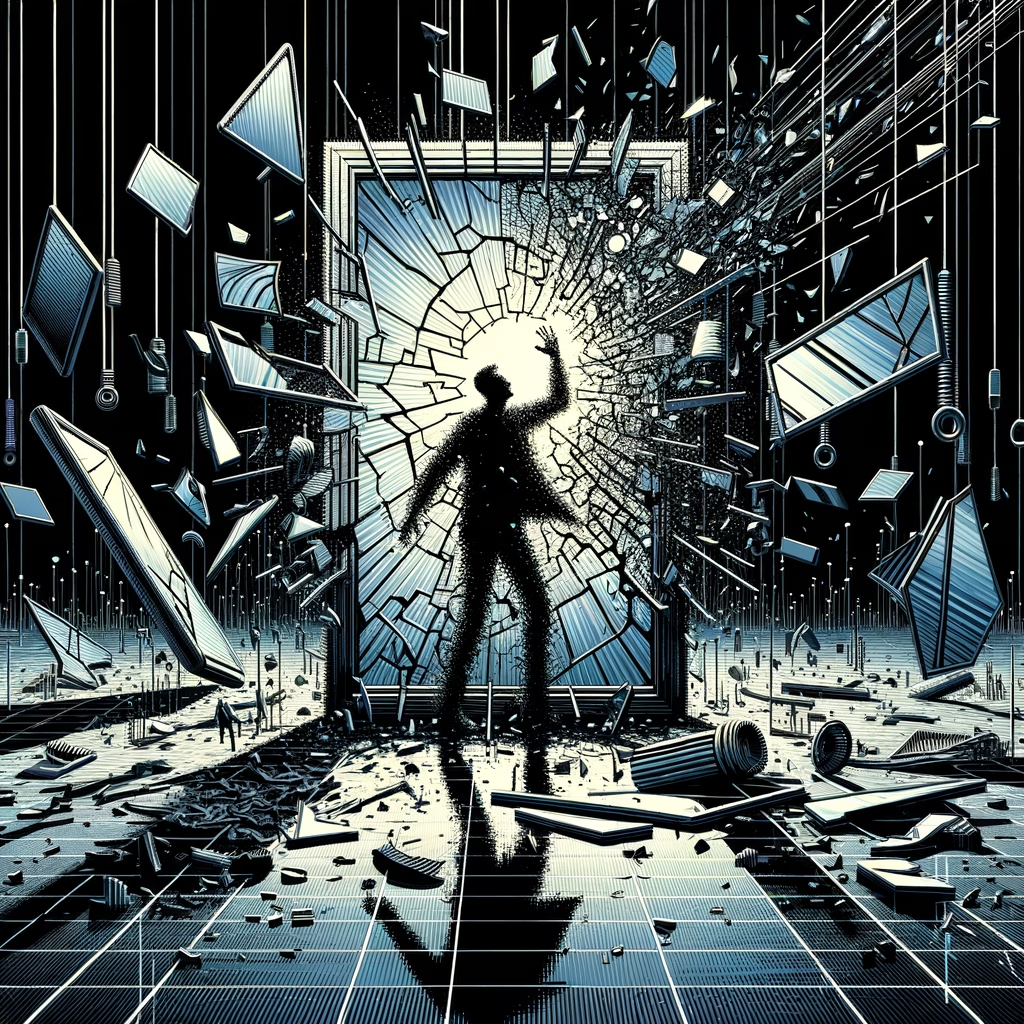
Face recognition has surged in the lab, but in the real world it too often fails the people who need it most: those with visible facial differences are being locked out of phones, services and identities. These aren’t hypothetical glitches — they’re real barriers that amplify stigma and deepen unequal access.