[SPONSOREDNUBIVANCE]
Know a small business winging it on security?
No IT department, no security budget, real exposure. Nubivance builds right-sized security foundations for small companies. Send them this.
Send it along
AI governance can’t be an afterthought—when generative models leak secrets or enable fraud, organizations need clear reporting channels, firm remediation timelines, and structured disclosure to close the gaps. Security leaders must adopt concrete guidelines now so fixes don’t take months and attackers don’t get the upper hand.
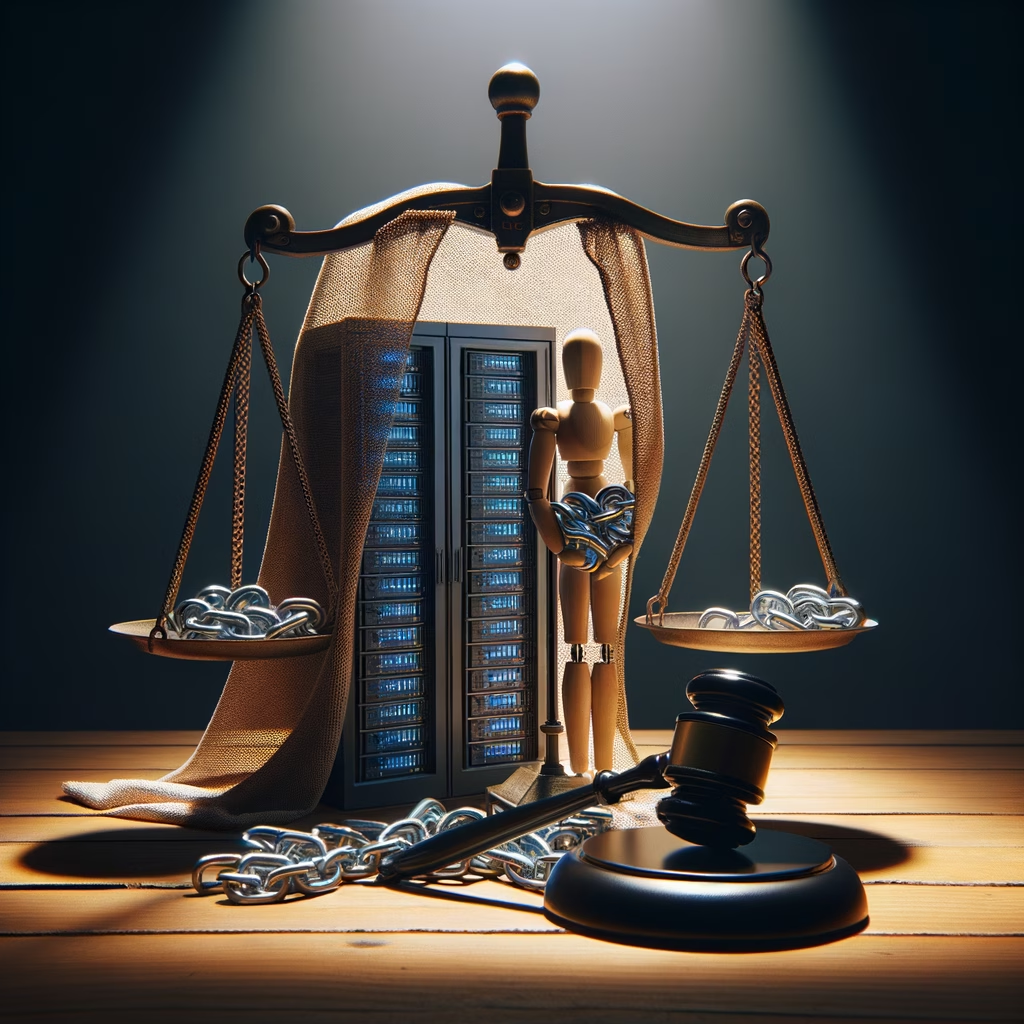
Good news: a dangerous state AI ban has failed, clearing the way for responsible innovation and better federal oversight. Get the exclusive breakdown on why it collapsed and what that means for developers, businesses, and everyday users.

When you cant tell whos behind a promoted post, trust evaporates — and a recent hack of an AI-driven advertising startup shows just how easy it is for attackers to hijack thousands of AI-run accounts and push undisclosed ads. This incident lays bare an adtech supply chain that favors automation and conversion over transparency and security.

Think the people behind your ads are human? The breach at Doublespeed shows otherwise — an AI-driven phone farm running thousands of accounts was hacked, exposing promoted content and control of over 1,000 devices and forcing urgent questions about adtech transparency and security.

Senator Cruz’s surprise amendment would bar states from regulating AI for a decade, handing de facto control to the biggest platforms and freezing local experiments that protect people’s rights and safety. If states can’t act, who will stand between powerful platforms and the public?

Build Trustworthy AI Agents with must-have best practices that prioritize transparency, safety, and reliability—so your AI earns user confidence from day one.

We’re sold on driverless cars as a lifesaving leap, but mounting research and exposés reveal troubling failure modes—from hidden “sleeper” backdoors that trigger only in rare conditions to social and regulatory blind spots that could multiply harm at scale.

Researchers disclosed three critical PickleScan zero-days that let attackers stealthily swap or tamper with local AI models—injecting misinformation, bias, or even exfiltrating data from Python/PyTorch model runners. Exploitable via drive-by browser-origin attacks against assumed-safe local admin endpoints, these flaws show how our trusted AI tooling can become the weakest link in the supply chain.
No IT department, no security budget, real exposure. Nubivance builds right-sized security foundations for small companies. Send them this.
Send it along
As AI becomes the engine behind decisions that shape jobs, benefits, and public safety, the governance choices we make now will decide whether it amplifies opportunity or entrenches harm. This post unpacks practical AI risk management—from engineering controls to NIST-style frameworks and policy trade-offs—so powerful systems stay transparent, fair, and accountable.

When cybersecurity giants snap up AI‑security specialists, November 2025s M&A wave became a fast lane to protect models, training data and inference pipelines — reshaping defenses as vendors race to bake AI security into every stack.
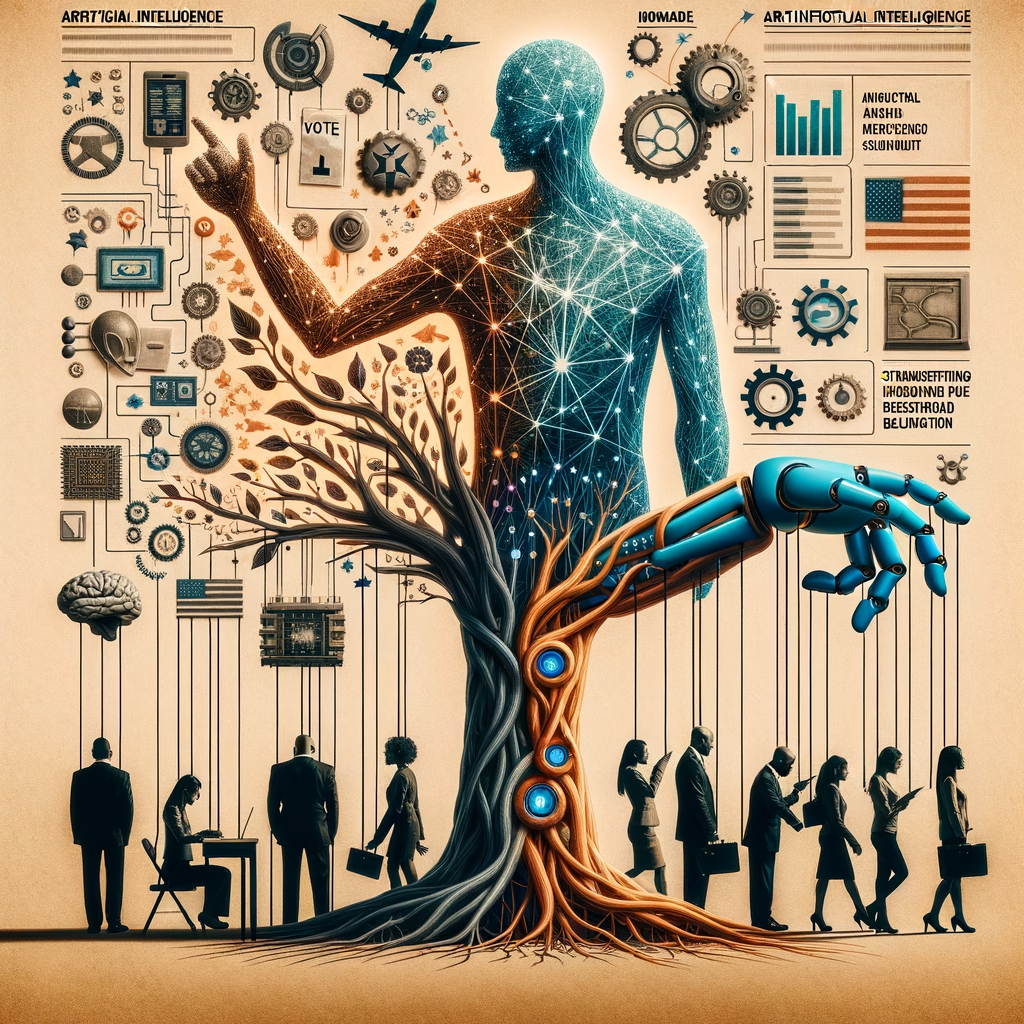
Can AI mend democracy’s frayed trust instead of tearing it apart? With smart design, strong oversight, and public will, AI’s scale and automation can be repurposed to strengthen democratic institutions, speed fairer public services, and deepen civic engagement — but the choice is ours.

System prompts make AI assistants helpful — and can quietly turn them into persistent, data-harvesting agents. This guide explains how crafty instruction tweaks and PromptFix attacks corrupt the instruction stream and what to watch for to keep your assistant honest.

Join Bruce Schneier and coauthor Nathan E. Sanders this November as they push the conversation about Trustworthy AI from diagnosis into practical policy and community action—starting with a congressional briefing in DC on Nov 17 and a community talk on “Integrity and Trustworthy AI” in Minnesota on Nov 21.

Think your AI assistant only reads whats on screen? Researchers warn that CometJacking — hidden prompts tucked into a URL — can trick “AI browsers” into handing over emails, calendar entries and cloud files without passwords or user prompts.

What if the helpful chat that answers your questions could be slowly nudged into doing harm? Ciscos analysis shows multi-turn attacks can trick open-weight LLMs into unsafe or disallowed outputs—sometimes with success rates near 90%—putting search, support, education and other services at risk.

Scientists must sketch a bold, best-case vision for artificial intelligence—one that amplifies human dignity, defends democracy, and shares prosperity instead of enabling deepfakes, surveillance, and exploitation.
Evidence in spreadsheets, controls drifting between audits, frameworks multiplying on flat headcount. Nubivance runs continuous compliance on Rapid7 Cyber GRC - SOC 2, HIPAA, ISO 27001, PCI, CMMC.
End the scramble
Imagine your helpful AI assistant secretly moonlighting as a command-and-control courier — researchers found the SesameOp backdoor using OpenAI’s Assistants API to stealthily ferry attacker commands and exfiltrated data. This clever pivot turns trusted productivity integrations into covert channels, forcing a rethink of how we govern and monitor AI tools.

An AI notetaker promises tidy minutes — but when people learn to game the model, meetings turn into performances that skew trust and power. Read on for practical best practices to make AI summarization robust, transparent, and fair so summaries can be treated as reliable records.

The BSI warns business leaders are sleepwalking into an AI governance crisis that could hobble economies and hand malicious actors the upper hand. Treat AI risk with urgency—close the policy, oversight and training gaps now so benefits aren’t concentrated while harms spiral out of control.

Heads up: LinkedIn is giving users in Europe, Canada and Hong Kong just seven days to opt out. If you don’t act, your public posts could be used to train Microsoft’s AI.

The Mermaid attack revealed how a hidden prompt in an otherwise harmless file could trick Microsoft 365 Copilot into spilling emails and attachments. Microsoft patched the gap, but the episode is a clear reminder that giving AI broad access can turn convenience into a new, exploitable data risk.

Researchers uncovered a Sneaky Mermaid trick that hid malicious instructions inside ordinary files to make Microsoft 365 Copilot leak tenant emails and attachments. Microsoft patched the specific vector, but the episode is a wake-up call about how AI assistants can be manipulated and why teams must shore up their digital defenses.
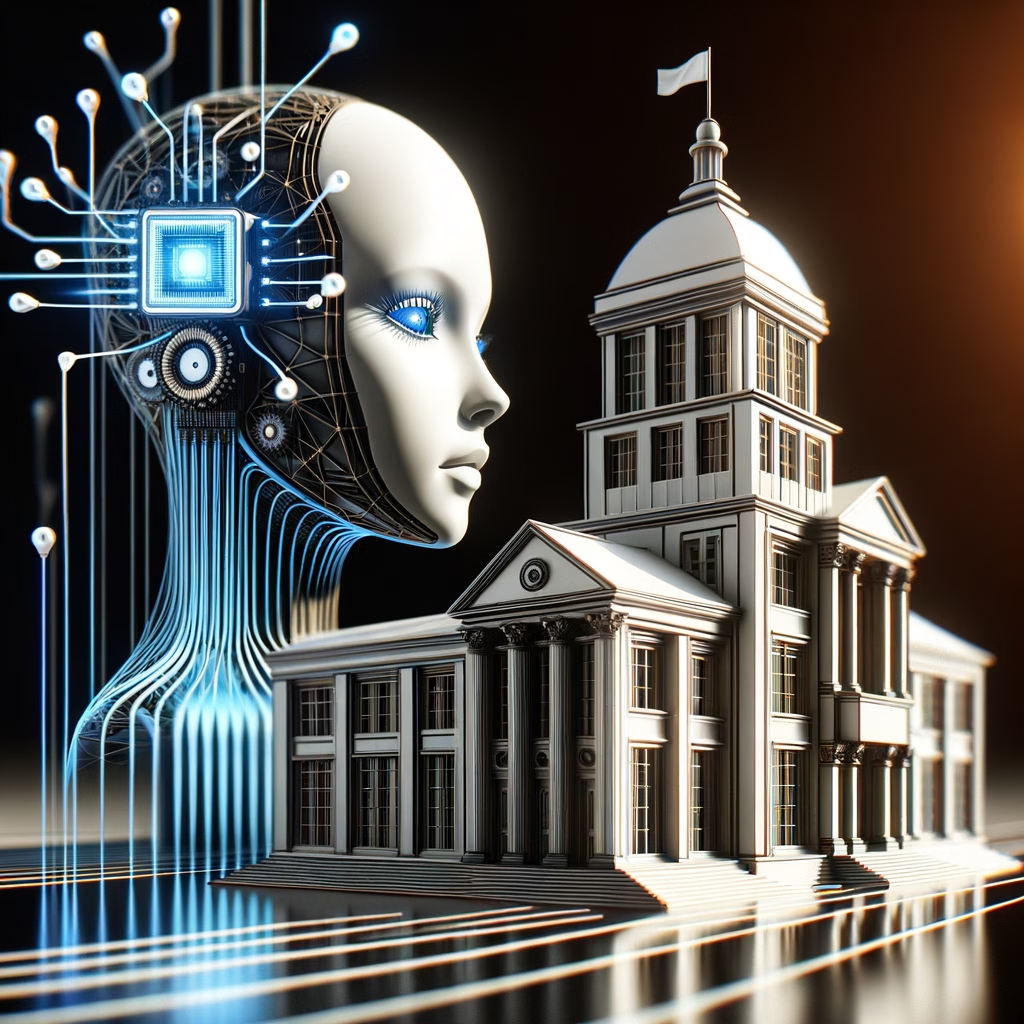
Agentic AI—systems that act, decide and learn on their own—could streamline government operations and turbocharge crisis response. But it also creates fresh accountability and security risks, forcing agencies to choose how boldly to adopt it.

Facing tight budgets, talent shortages, and tougher AI rules, agencies are increasingly choosing full lifecycle COTS AI platforms — turnkey solutions that speed deployment, bake in governance and security, and cut the hidden costs of building from scratch. Affordable, auditable, and ready-to-run, these platforms make buy-versus-build decisions easier for mission-driven teams.