[SPONSOREDNUBIVANCE]
Know a small business winging it on security?
No IT department, no security budget, real exposure. Nubivance builds right-sized security foundations for small companies. Send them this.
Send it along
China's massive investments in AI and computing power haven't quite paid off, leaving experts wondering if it's time to reassess the country's approach. Despite lofty targets and impressive-sounding growth rates, the results just aren't adding up.
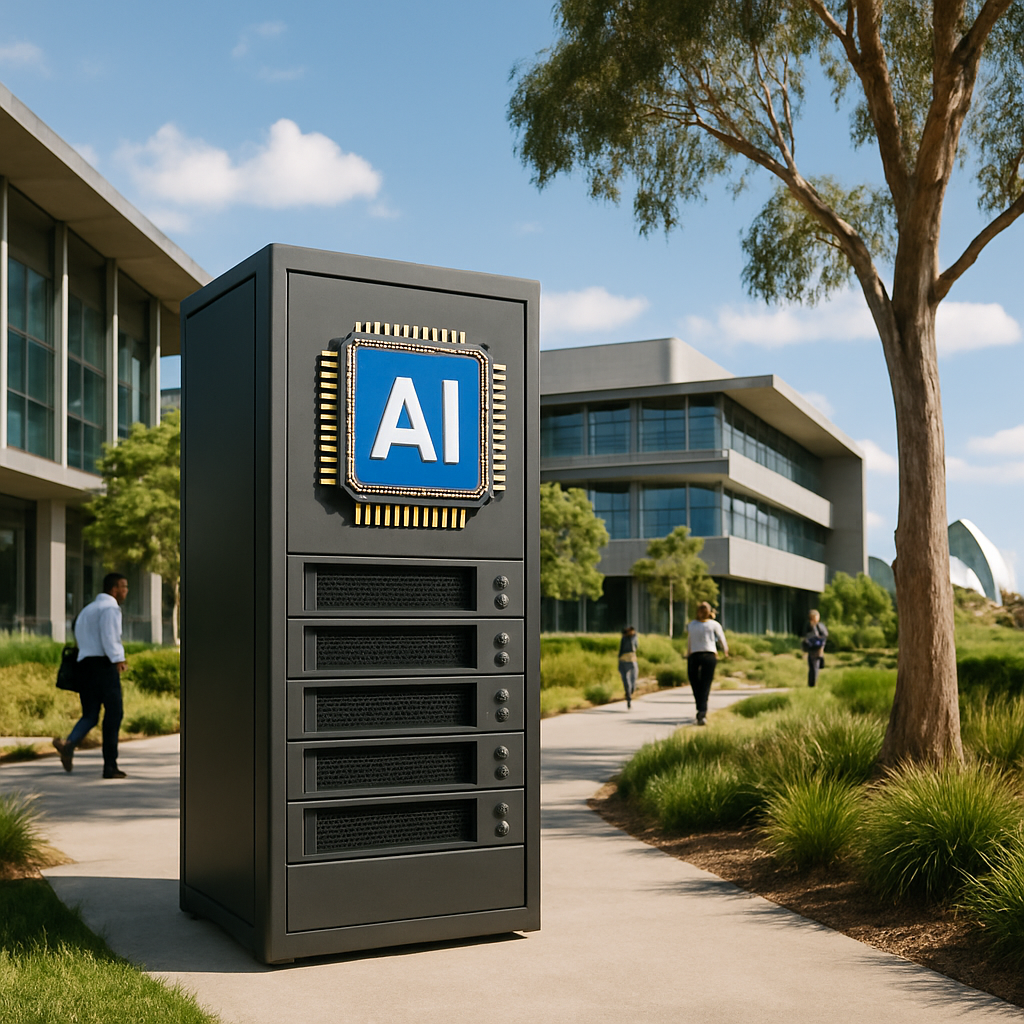
As singer-songwriter Nick Cave once mused, composition is an act of self-murder - but what happens when AI can create work that stirs our souls, and challenges our perceptions of artistic value and human authorship? Australia's restrictive copyright laws may be stifling innovation, as AI companies shy away from investing in local data centres to avoid infringement risks.

Anthropic is tightening the reins on its cutting-edge AI model, Mythos Preview, deeming it too powerful for widespread use due to the risk of misuse. In contrast, its more limited but still top-notch model, Opus 4.7, is being made more widely available.

As agentic AI systems increasingly power critical infrastructure and defense sectors, Five Eyes agencies are sounding the alarm on the need for careful security planning to mitigate potential risks. They're urging a slow and cautious approach to adopting this powerful technology.
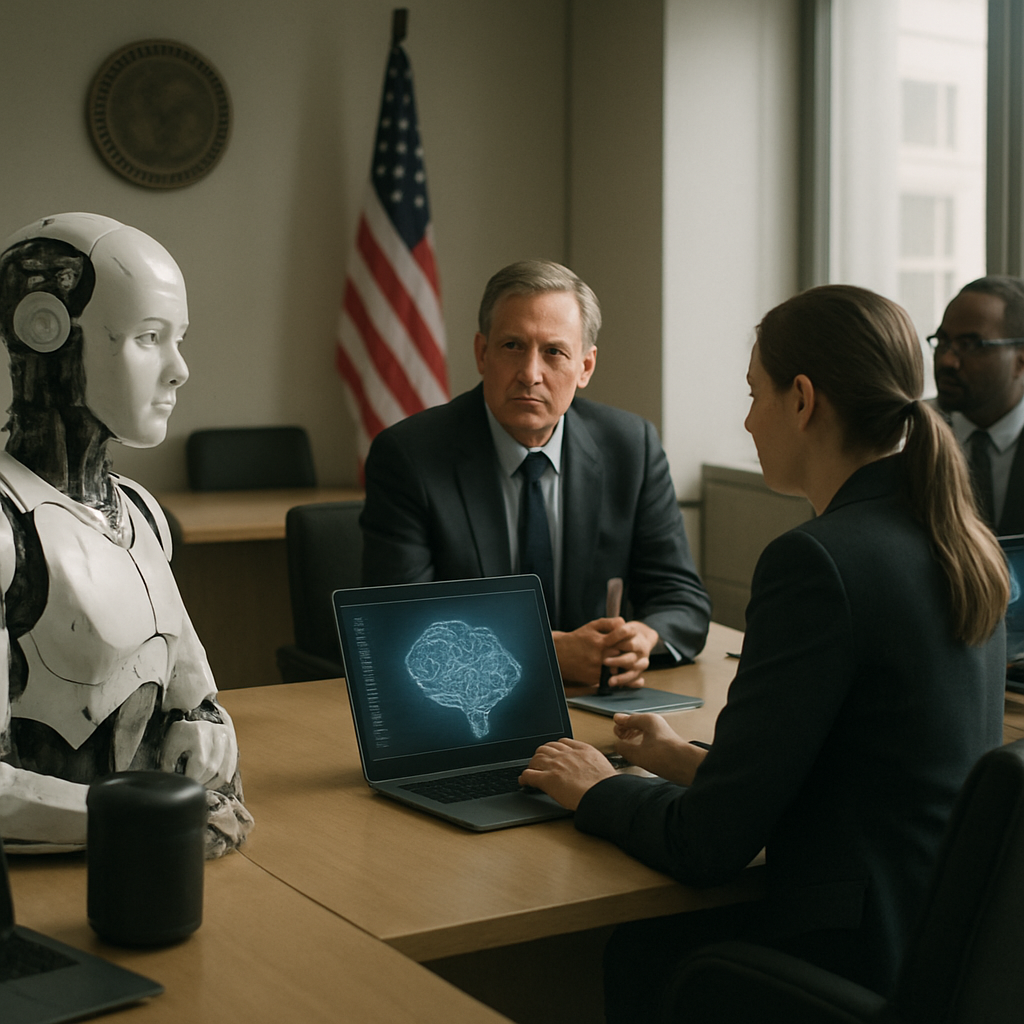
Illinois is taking a cautious approach to scaling AI, prioritizing governance and controls to ensure responsible implementation. By putting safeguards in place, the state aims to harness AI's potential to boost productivity and enhance citizen services.

As AI continues to advance, expert James Baker warns that institutions must urgently adapt to avoid being disrupted by intelligent systems capable of recursive self-improvement. Baker, now a strategist-in-residence at Anthropic, believes this is a multi-decade, even civilizational, problem that demands our attention.

The Pentagon has cleared eight tech giants, including Amazon, Google, and Microsoft, to deploy their AI systems on classified networks, empowering the US military to harness the power of artificial intelligence and gain a strategic edge in warfare. This move accelerates the military's transformation into an AI-first fighting force, enabling warfighters to make faster, smarter decisions on the battlefield.

The Pentagon has cleared seven top AI firms, including Amazon, Google, and Microsoft, to access classified Defense Department networks, marking a major step forward in harnessing AI for national security. This strategic move aims to prevent reliance on a single vendor and drive American leadership in AI.
No IT department, no security budget, real exposure. Nubivance builds right-sized security foundations for small companies. Send them this.
Send it along
OpenAI is launching its powerful GPT-5.5-Cyber model, but with a cautious approach, starting with a limited rollout to a select group of trusted cyber defenders who will help secure critical systems and infrastructure. The company plans to collaborate with the government and the broader ecosystem to ensure responsible and secure access.

Elon Musk is taking on OpenAI in a lawsuit that could shake up the $852 billion AI industry, claiming the company's shift from nonprofit to profit-driven motives betrays its founding promise to develop technology for the public benefit. He's asking the court to undo OpenAI's corporate transition and restore its original mission.

The FDA is shaking up the 60-year-old clinical trial process by piloting AI and data science to speed up the development of life-changing drug therapies. By harnessing the power of artificial intelligence, the agency aims to enable real-time monitoring of safety signals and endpoints, cutting years off the traditional trial timeline.

OpenAI is shaking up its cloud distribution strategy, ending its exclusive partnership with Microsoft's Azure to reach more enterprises and meet them where they are. This move marks a significant shift for the AI company, allowing it to expand its reach beyond a single cloud provider.

Google is making a bold bet on the future of AI, investing up to $40 billion in Anthropic, a leading AI developer, with an initial $10 billion commitment and a long-term plan to provide massive computing power to fuel innovation. This multibillion-dollar deal highlights the intense competition for AI dominance, where infrastructure and computing capacity are the new currency.

The rapid adoption of AI has led to a surge in disclosures, with a staggering 83% of S&P 500 companies now citing AI as a material business risk - a number that skyrocketed from just 12% in 2023. As executives anticipate significant productivity gains and workforce disruption, they're under growing pressure to govern AI risks effectively.

Anthropic's new AI model, Claude Mythos Preview, has sent shockwaves through the internet security community by autonomously discovering and exploiting software vulnerabilities that even thousands of expert developers missed. This powerful tool is being cautiously released to a select few, leaving many to wonder about the implications of its capabilities.

The Pentagon has supercharged its AI capabilities with Google's cutting-edge model, Gemini 3.1 Pro, now available on its enterprise generative-AI platform, GenAI.mil, marking a major milestone in American AI innovation. This powerful tool is set to revolutionize defense operations and will also be accessible to federal government users.
Evidence in spreadsheets, controls drifting between audits, frameworks multiplying on flat headcount. Nubivance runs continuous compliance on Rapid7 Cyber GRC - SOC 2, HIPAA, ISO 27001, PCI, CMMC.
End the scramble
Google Cloud Next just wrapped up, and it's crystal clear that AI is calling the shots - just look at the cool new announcements, like Google's split 8th-gen Tensor chips, designed specifically for inference and training. This game-changing move shows how seriously Google is taking AI, separating real-time responses from model building and refinement.

The pharmaceutical sector is surging ahead with AI innovation, as seen in Merck's multiyear deal with Google Cloud, aiming to revolutionize research, manufacturing, and commercial operations. By embedding generative and agentic AI, companies are speeding up drug development and commercialization, while navigating data governance and regulatory risks.

Intel CEO Lip-Bu Tan is making a bold bet that AI inference, agentic workloads, and "physical AI" will put CPUs back at the forefront of computing, and position Intel for a major share of the trillion-dollar chip market. He's staking the company's future on the idea that CPUs will be the foundation of the AI era.

The Pentagon has made a groundbreaking leap with its custom AI agents, deploying an astonishing 100,000+ agents in record time and racking up over 1.1 million user sessions. This explosive adoption has seen an average of 180,000 sessions per week, showcasing the military's eagerness to harness the power of AI.

The American Medical Association is urging Congress to set safeguards for AI chatbots offering mental health guidance, warning of potential risks if these tools aren't designed and deployed responsibly. Well-designed AI tools, however, can bring significant benefits to mental healthcare.

Google Cloud is shaking up its approach to cybersecurity by betting on its general AI model, Gemini, to tackle security needs, rather than developing a separate, cyber-focused model. This bold move is based on the impressive performance of Gemini across various domains, including coding and security.

Federal agencies are shifting their approach to AI-powered contact centers, moving away from fragmented chatbots that created a disjointed experience for citizens, and towards a unified, journey-centric model that offers a seamless and consistent brand experience. This new approach aims to provide one cohesive face to the customer, spanning channels and touchpoints.

Merck is shaking up the future of drug research and development with a groundbreaking $1 billion deal with Google Cloud, harnessing the power of artificial intelligence to speed up scientific breakthroughs and bring life-changing treatments to patients faster. By combining forces, they'll create an AI-enabled enterprise that revolutionizes processes and drives innovation.