"Safety is at the foundation of everything we do," a Waymo spokesperson said, even as the company paused driverless freeway service nationwide after California barred its robotaxis from state freeways.
California DMV's ban and its stated rationale
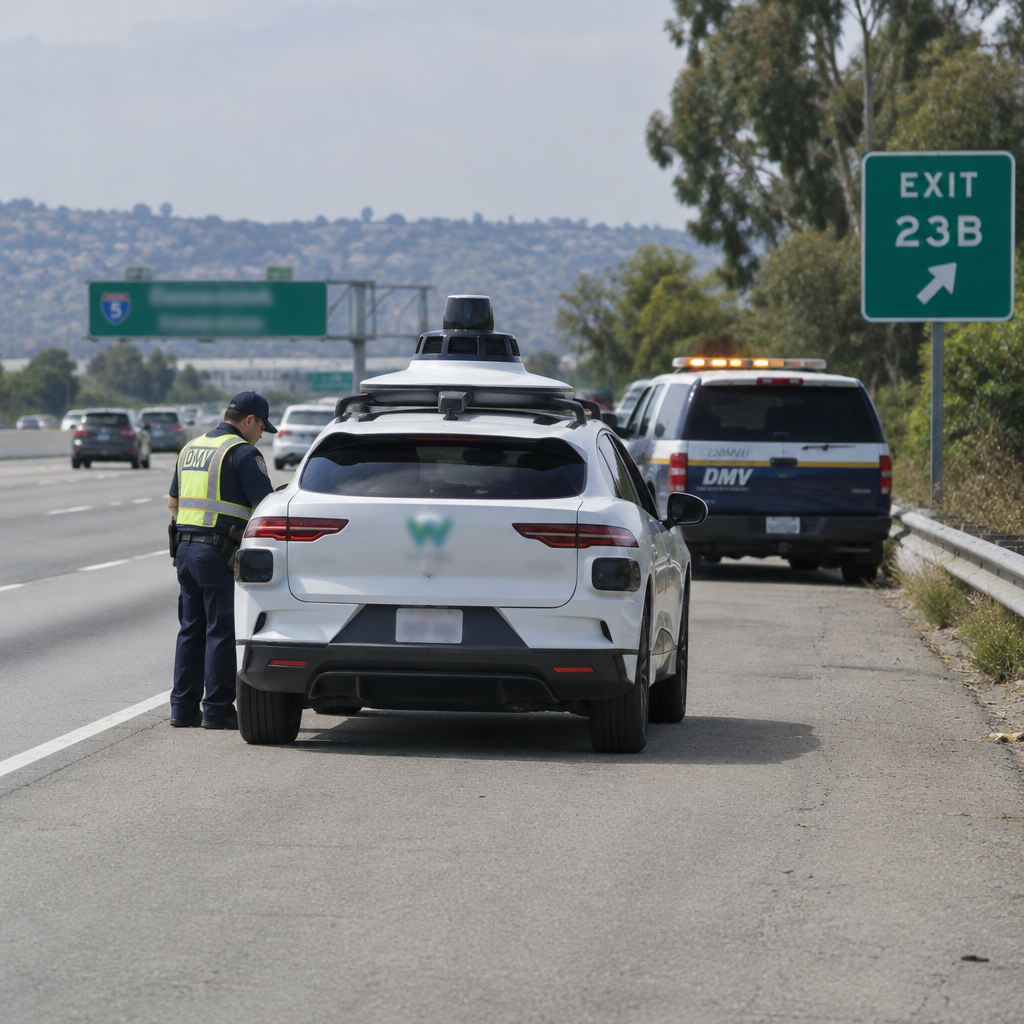
On Wednesday, November 11, the California Department of Motor Vehicles imposed a prohibition on Waymo offering driverless trips on California freeways, citing events it judged to pose an "imminent hazard to public safety." Jonathan Groveman, spokesperson for the California DMV, said the decision followed two specific incidents and that the Department had already imposed restrictions and required corrective action after similar events on May 18. The DMV's statement included a clear finding: "The Department determined that Waymo's driverless freeway operations pose an imminent hazard to public safety due to recurring incursions by its vehicles into active construction zones where construction workers, vehicles and equipment are present," Groveman said.
The incidents on US 101 and the highway patrol maneuver
The regulator's intervention traced to two freeway encounters in early November. On November 5, three Waymo driverless cars entered an active construction zone on US 101 near Burlingame, south of San Francisco. The following day, November 6, footage that circulated widely online captured a Waymo vehicle attempting to drive around highway patrol vehicles performing a traffic break — the tactic highway patrol uses to slow or stop traffic. The DMV characterized these incursions as recurring, and cited the risk posed to construction workers, equipment and other roadway users.

Your town's IT department is one person. Maybe.
Ransomware crews target small municipalities because nobody's watching. Nubivance gives Maine and New Hampshire towns a security program sized to a town budget.
Protect the town officePrior recalls and a pattern of missteps
The November actions were not the first time regulators and the company had clashed over freeway behavior. After incidents on May 18, Waymo recalled nearly 4,000 cars that had been caught ignoring road closure signs and cones designating construction zones in Phoenix and San Francisco. A separate recall affected nearly 3,800 robotaxis and addressed software defects that included slowing on high-speed roadways and driving into floodwater. Beyond those recalls, reporting attributed other nuisances and hazards to errant Waymo vehicles — clogging traffic in thick fog, striking telephone poles, and killing cats and dogs — compiling a list of operational problems that regulators and the public have noted.
Waymo's national pause and altered operations
On the same day California's DMV issued its ban, Waymo suspended driverless freeway rides across the United States. The company did not specify how long that suspension will last, but said freeway testing will continue with trained specialists behind the wheel. The suspension affects every market in which Waymo operates on freeways, including San Francisco, Los Angeles, Miami, Phoenix and Austin. Waymo also told the public that its robotaxis continue to operate on surface streets across the U.S.; its ride-hailing service, it said, continues "serving over half a million trips each week." In a statement, the company said it was working "with the California DMV and other state officials diligently and responsibly to resume freeway operations."
How California DMV, Waymo, and construction workers are responding
- California DMV: The agency has moved from imposing restrictions and corrective actions earlier in the year to a full operating ban on driverless freeway trips in the state, citing imminent hazard. That ban is the proximate cause of Waymo's nationwide pause of freeway services.
- Waymo: The company has halted driverless freeway rides nationwide while continuing freeway testing with human specialists at the wheel and maintaining city-street service. Waymo has also acknowledged prior recalls and said it is collaborating with state officials to restore freeway operations.
- Construction workers and motorists: The DMV specifically tied its ban to incursions into active construction zones, highlighting the immediate safety risk to workers, their vehicles and equipment. Those on and near California freeways will see a regulatory action intended to prevent further incursions while the company and regulators address the underlying causes.
The immediate record is straightforward: the California DMV found recent Waymo freeway behavior to be an "imminent hazard," and Waymo curtailed driverless freeway service nationwide while promising continued testing with trained personnel and ongoing city-street operations. The regulatory finding, the pair of November incidents on US 101, the May recalls affecting thousands of vehicles, and Waymo's national pause together frame the next steps as cooperative and technical — regulators enforcing restrictions, the company testing and fixing, and workers and travelers gaining a short-term safeguard on state freeways. How long the suspension will last, and what specific technical fixes will satisfy the DMV, remain facts the parties have not yet disclosed.