British Army Eyes Next-Generation Combat Support with German-Made GEREON Drone
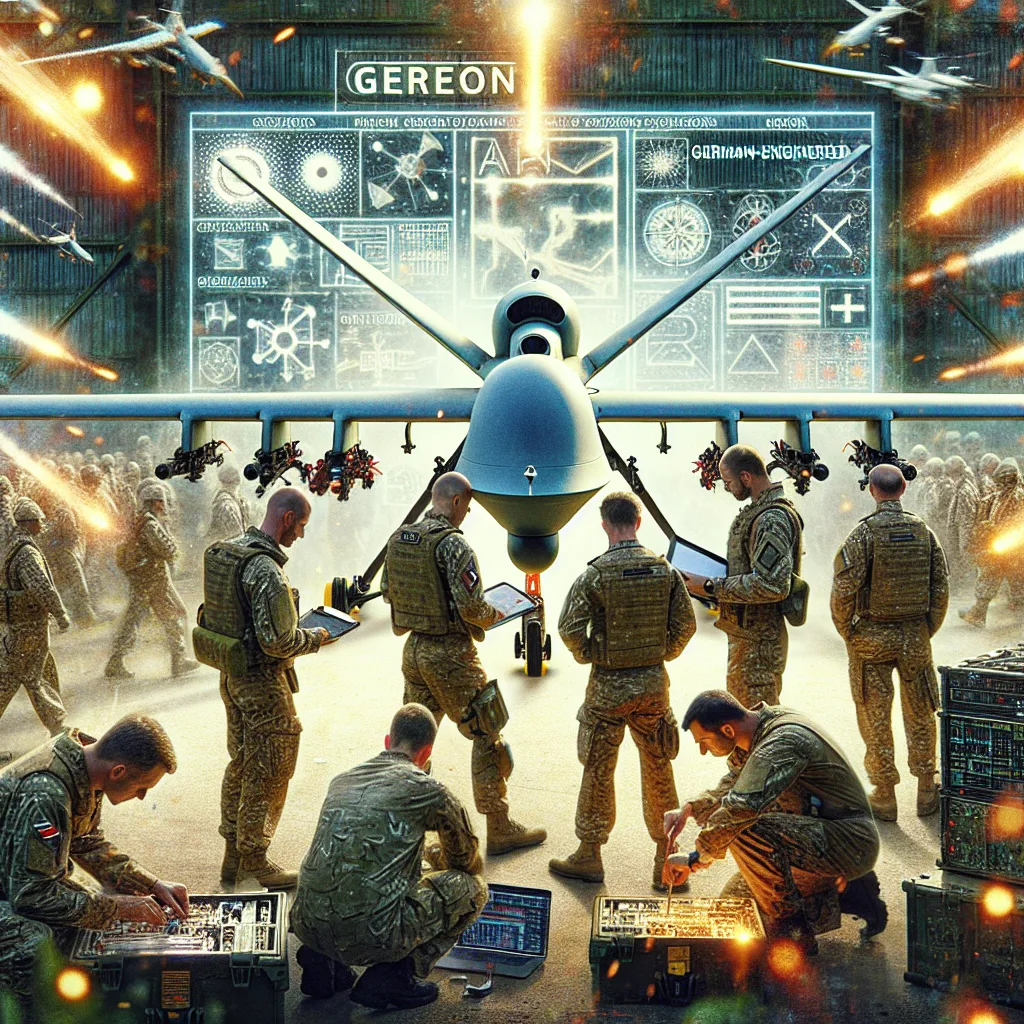
In a demonstration that underscored the evolving nature of modern warfare, the British Army, alongside representatives from the UK Ministry of Defence, recently witnessed the capabilities of the GEREON robotic carrier system (RCS). Developed by Germany’s ARX Robotics, the GEREON drone underwent a series of realistic combat support tests on May 8. The event, held under operational conditions, signaled the British Army’s growing interest in leveraging advanced unmanned ground vehicles (UGVs) for a host of battlefield applications.
Observers noted that ARX Robotics was determined to showcase the robust, multifaceted potential of the GEREON UGV—designed as a combat support tool capable of performing tasks such as logistics transport, reconnaissance, and even certain defensive maneuvers. These tests were conducted without the usual filtering of simulation, ensuring that military officials could engage with a true-to-life reading of the unmanned system’s operational viability.
The GEREON system represents a significant milestone in the integration of artificial intelligence, robotics, and autonomous navigation technologies within military contexts. As warfare becomes increasingly technology driven, the demonstration provided a glimpse into how such platforms might soon redefine logistical support and field operations.
Historically, the concept of unmanned systems has evolved from remote-controlled models to sophisticated robotic platforms capable of independent decision-making. The British Army, long aware of the benefits of technological advances, has been investing in a variety of robotic systems. In recent years, the drive has intensified to minimize soldier exposure to high-risk environments while enhancing operational efficiency. The arrival of systems like GEREON adds to a growing portfolio that marries the swift adaptability of commercial drone technology with the rugged reliability required in conflict zones.
At the heart of the demonstration was ARX Robotics’ commitment to bridging the gap between theoretical capability and practical utility. The tests highlighted GEREON’s aptitude for performing routine combat support functions under unpredictable and challenging conditions. According to reports from Defence Blog, the vehicle completed several predetermined tasks, reaffirming its promise to serve as a ‘force multiplier’ in scenarios where human lives are at risk.
Support for such initiatives comes amid broader shifts in global military strategy. With tensions rising in various parts of the world, defense budgets have increasingly allocated resources to unmanned systems that can shorten reaction times, reduce human error, and provide critical data on the battlefield. The British Army’s engagement with the GEREON platform reflects an overarching drive to reassess conventional combat paradigms and integrate systems that offer greater operational versatility.
One of the key aspects of GEREON’s appeal lies in its potential to execute tasks autonomously—a feature that has earned praise from several defense experts. Rear Admiral Tony Radakin, Chief of Defence Staff of the United Kingdom, has previously noted, “Automation in combat support offers an adaptive edge on modern battlefields.” While the remarks were made in a broader context, evaluations of systems like GEREON lend empirical weight to the argument.
Beyond immediate tactical advantages, the deployment of such advanced systems carries broader implications for military logistics and strategic planning. For instance, unmanned systems are less vulnerable to fatigue and can operate continuously, which is crucial during prolonged engagements. Moreover, their ability to process real-time data and navigate complex terrains can drastically reduce the margin for error, potentially saving lives and optimizing mission outcomes.
However, the integration of advanced robotics is not without its challenges. Issues around cybersecurity, interoperability between varied platform systems, and the ethical dimensions of autonomous weapons systems continue to be subject to intense scrutiny. Experts such as Professor Michael Howard of the Royal United Services Institute (RUSI) have stressed that “as we tread further into an era dominated by unmanned systems, the need to address robust cybersecurity measures and ethical considerations becomes ever more paramount.”
Critics underscore the importance of maintaining human oversight in systems that operate autonomously, ensuring that accountability is never fully relinquished to machines. These voices remind us that technology, regardless of its promise, should always be balanced with rigorous policy oversight and operational safeguards.
Looking ahead, the integration of the GEREON drone into British Army operations could mark the beginning of comprehensive reforms in combat support structures. Analysts predict that if the trials continue to yield positive results, further investments in similar unmanned systems will follow. The operational landscape may soon see a merged force of manned and unmanned units working in concert—a combination designed to solidify strategic advantages while reducing vulnerabilities.
As policymakers and military strategists consider the next phase of battlefield innovation, several key trends emerge:
- Increased Automation: Future military engagements are expected to rely more heavily on autonomous systems that can react faster than human operators, particularly in high-risk environments.
- Enhanced Interoperability: The fusion of systems like GEREON with existing communication and control frameworks will be critical to achieving seamless operational integration.
- Emphasis on Cybersecurity: As these systems become networked and interdependent, ensuring that robust cybersecurity protocols are in place will be essential to protect sensitive military operations.
As innovation marches on, both industry watchers and military strategists agree that striking the right balance between technological infiltration and human control will define the future of military operations. The ongoing trials of the German-engineered GEREON UGV symbolize not just the promise of advanced robotics but also the broader commitment to safeguarding military personnel through technological superiority.
In this formative period of unmanned combat support development, one can only surmise that ARX Robotics’ demonstration may be a prelude to transformative changes across allied armies. With systems like GEREON, the British military is setting the stage for an operational paradigm where efficiency, safety, and rapid adaptation converge to meet the multifaceted challenges of modern warfare.
The question that remains, then, is not whether unmanned systems will become ubiquitous on future battlefields, but rather how quickly military establishments across the globe will adapt to and integrate these technologies while addressing the attendant ethical and operational challenges. As nations recalibrate their defense strategies to this brave new reality, the fusion of human acumen and robotic efficiency is likely to emerge as a defining feature of 21st-century military doctrine.