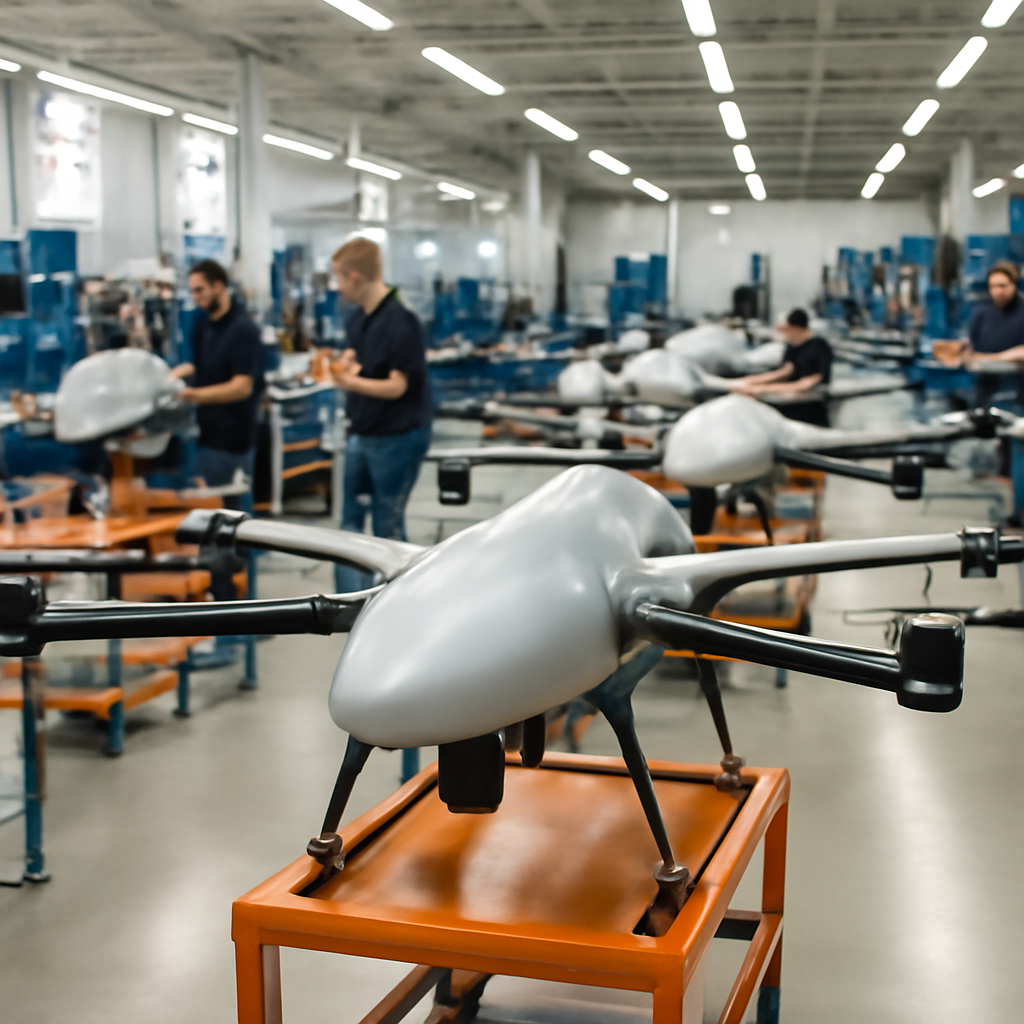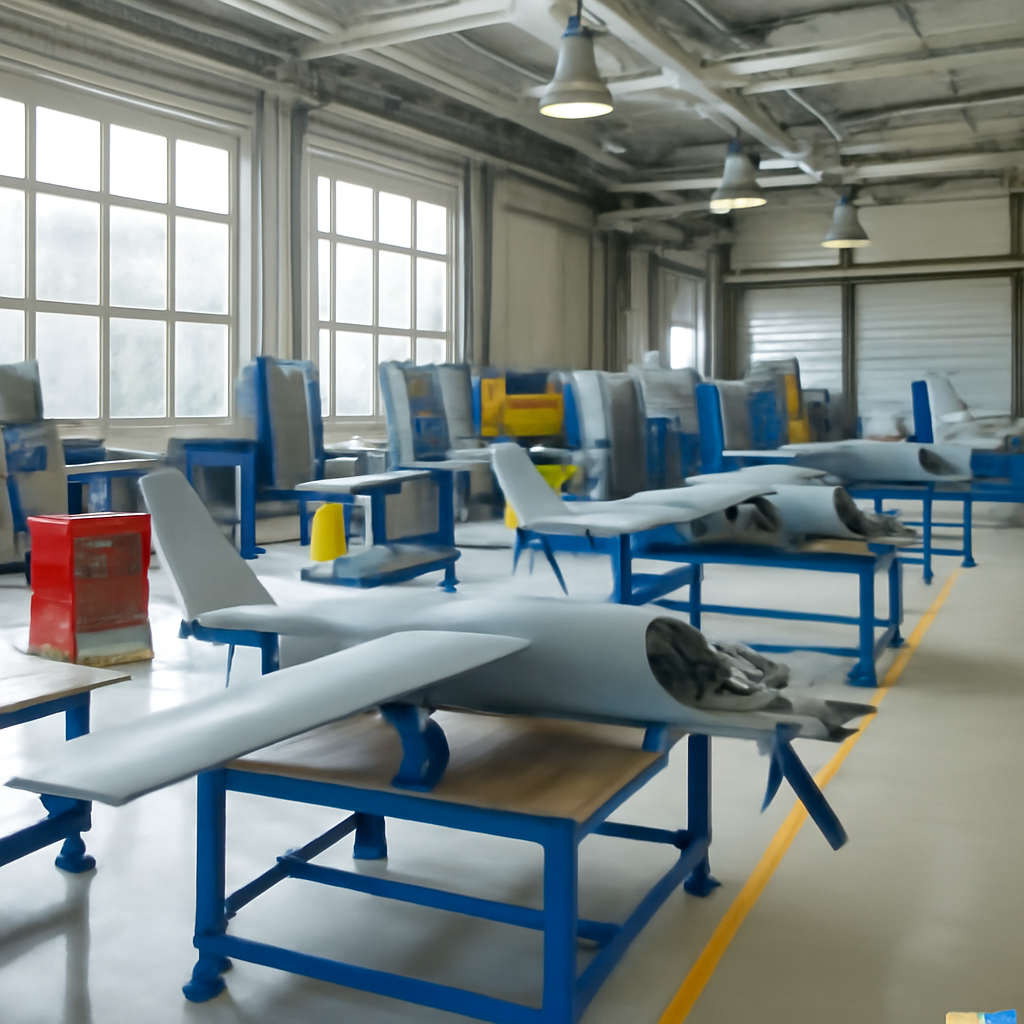
"I think we’d rather have many smaller factories building them, localized for countries to meet their own local needs than having one mega factory," said Glen Ferguson, MQ-28 global program director, during a press briefing on Tuesday at Farnborough.
Glen Ferguson on localized production
Ferguson framed Boeing’s production thinking for the MQ-28 Ghost Bat — the company’s Collaborative Combat Aircraft (CCA) — around national sovereignty and resilience. He said Boeing has not locked down future production plans, but argued a single "mega factory" that builds thousands is "probably not the best answer." Instead, Ferguson said, most countries will want their own sovereign capability because "these things you need to regenerate, you need to be able to build at rate, and you need to be able to build them when you’re in a supply chain denied environment."
Tim Flood on market urgency from Ukraine and NATO spending
Tim Flood, Boeing’s director of business development and strategy for the UK, Europe and Americas, told reporters there is "urgency" in the CCA market driven by the war in Ukraine and rising NATO spending. Flood said that those pressures are "opening up a push for new capabilities," and that activity across Europe reflects a heightened appetite among national leaders for systems that can be fielded and sustained in their own territories.

The cyber insurance questionnaire just landed. Now what?
SOC 2, HIPAA, insurance renewals - someone has to own security strategy. Nubivance provides fractional CISO leadership without the full-time salary.
Get a security leadGermany’s CCA timeline and supplier additions
Germany is on course to become the first European CCA operator, with a target to field the MQ-28 with crewed fighters in 2029. To support a bid for Berlin’s CCA requirement, Boeing announced that Hensoldt — described in the announcement as an electronics specialist — has been added to the German MQ-28 supplier base. That addition follows local firms including Rheinmetall and Rohde & Schwarz joining the German Ghost Bat industrial base last month, though Boeing noted those agreements currently do not involve producing the system in Germany.
Industrial partners: Hensoldt, Eaton, and Leonardo
The MQ-28 industrial network Boeing is assembling spans multiple specialist firms. Hensoldt was added to the German supplier base to support Boeing’s bid in Berlin. Multinational Eaton has joined the industrial base specifically to supply the drone’s internal weapons-bay launcher. And after eight years of partnership, Leonardo has been formally inducted to integrate infrared search-and-track (IRST) systems on the MQ-28. Boeing presented these moves as steps to build a capable, locally supported supply chain without yet committing to domestic assembly lines.
How Germany, foreign leaders, and suppliers are responding
- Germany: Pursuing a 2029 fielding target, Berlin is receiving bids built around a local industrial base; current supplier agreements do not yet include in-country production but indicate a readiness to embed national firms into system supply chains.
- Foreign leaders: According to Boeing’s remarks, national decision-makers increasingly prefer systems that can be sustained within their borders, pressing vendors to propose localized manufacturing rather than centralized mass production.
- Suppliers (Hensoldt, Eaton, Leonardo, Rheinmetall, Rohde & Schwarz): Firms are joining the MQ-28 industrial base in specific technical roles — electronics, weapons launchers, IRST — positioning themselves to support national bids and to be part of localized supply chains should countries opt for domestic build options.
Boeing’s pitch for "many smaller factories" reflects a wider commercial calculation: buyers want sovereign, resilient production that can endure supply disruptions, while prime contractors seek to align bids with those political priorities. For Germany, the immediate question is whether supplier inclusion will evolve into in-country assembly before the 2029 fielding target; for Boeing and its partners, the practical work remains turning supplier agreements into production lines where and when national customers demand them.