Boeing’s Bold Push: Fueling a New Era in U.S. Air Combat Capability
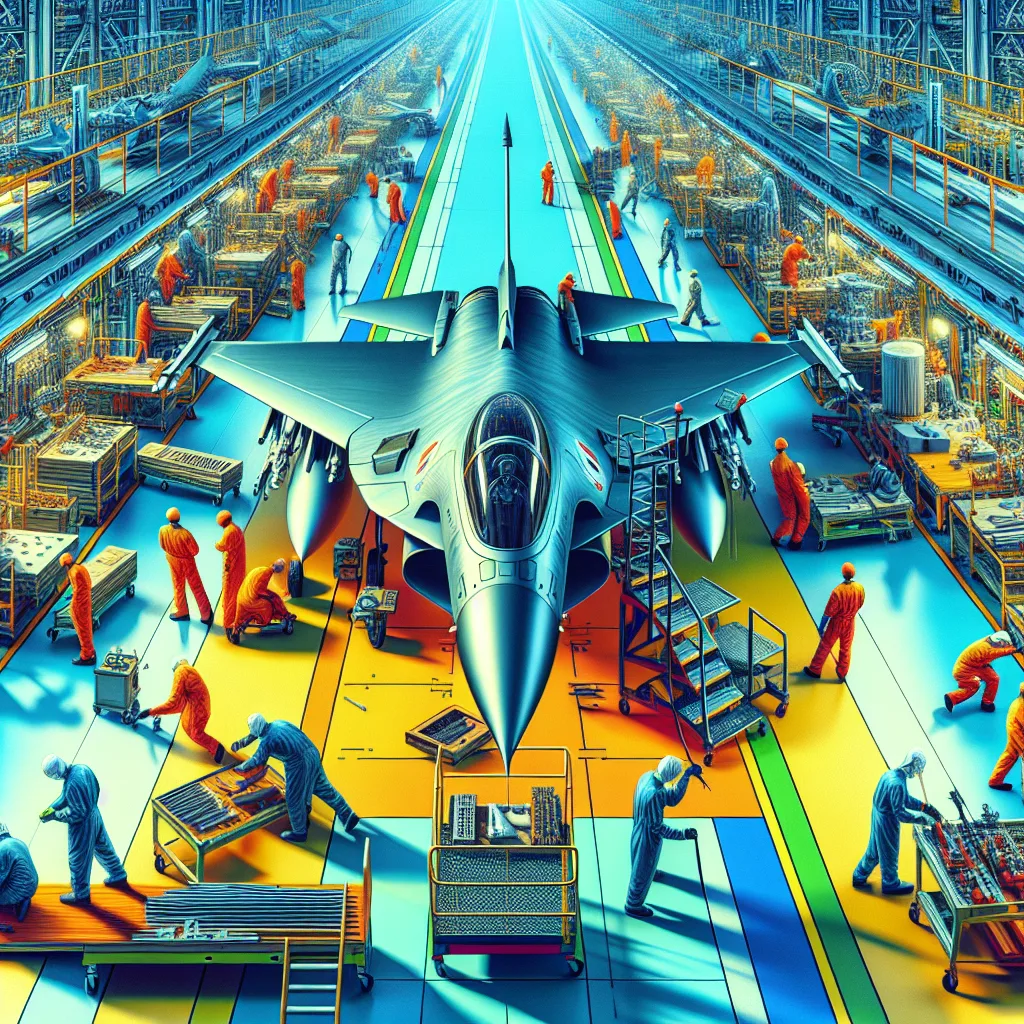
In a move that underscores America’s tactical reinvigoration, Boeing is ramping up production of its F-15EX Eagle II fighter jets. As the U.S. Air Force seeks to solidify its air superiority amid an evolving global threat landscape, the aerospace giant now has 90 aircraft in the production pipeline and is charting a course to deliver two jets per month by the close of 2026. This surge in production is not just an industrial effort—it represents a strategic pivot designed to enhance the nation’s combat readiness and operational flexibility.
The F-15EX Eagle II, a modern iteration of the iconic F-15 family, is positioned as a bridge between legacy systems and next-generation combat technologies. Historically, the F-15 series has been emblematic of U.S. air power—exemplifying speed, agility, and technological innovation. Today’s F-15EX incorporates cutting-edge avionics, advanced radar, and a host of digital warfare capabilities, ensuring that it remains at the forefront of aerial combat. This renewed focus on high-output production is aimed at meeting not only the immediate inventory needs of the Air Force but also long-term strategic challenges posed by near-peer adversaries.
Underpinning this accelerated production schedule is a confluence of factors. Budgetary allocations from recent federal defense spending bills have provided Boeing—and other defense contractors—with the financial assurance to invest in modern manufacturing processes. Furthermore, the U.S. government’s emphasis on modernizing its military assets has translated into robust orders that sustain a steady demand for these fighter jets. With global security dynamics in flux and rapid technological advancements altering the nature of warfare, increasing the rate of production is seen as a critical step toward maintaining a credible deterrent.
At the heart of this initiative lies a carefully calibrated balancing act. On one hand, the U.S. Air Force is keen to reinforce its legacy systems without sacrificing the incremental adoption of new technologies. On the other, Boeing is tasked with converting fiscal encouragements and legislative mandates into tangible production outputs. As part of this effort, several stakeholders are impacted:
- U.S. Air Force Officials: They stress that enhanced production is directly tied to increased training, maintenance efficiencies, and strategic deployment options across various theaters.
- Defense Industrial Base Analysts: The production surge reaffirms confidence in long-term defense contracting stability, with potential ripple effects for suppliers and subcontractors.
- Policy Makers: Legislators see this as a reinforcement of national defense priorities, especially at a time of shifting geopolitical alliances and emerging threats.
According to a recent report in Defence Blog and corroborated by official statements from the Pentagon, the increased production rate signals more than just a numerical augmentation of the Air Force’s assets. It is indicative of a broader strategic recalibration intended to meet the multifaceted challenges of 21st-century warfare. This initiative builds upon decades of innovation in military aviation while taking into account the administrative and financial commitments necessary to sustain a modern deterrence posture.
Defense analyst Michael Gilmore, a retired Air Force colonel whose insights have been featured in outlets such as The Washington Post and Aviation Week, observes that “the F-15EX’s blend of legacy reliability and new-age innovation makes it a pivotal element in today’s strategic arsenal.” Such expert commentary, grounded in both operational experience and industry trends, highlights the multifaceted challenges that come with modernizing a fighter fleet. Analysts note that while the F-35 and other fifth-generation fighters often dominate headlines, the F-15EX fills a crucial role by providing a reliable and adaptable platform that can integrate new and legacy systems alike.
Looking ahead, the trajectory of F-15EX production is likely to influence global defense strategies. As the U.S. Air Force accelerates its modernization efforts, allied nations will be watching closely, and rival states may adjust their strategic postures in response. The steady cadence of two jets per month, if achieved, will not only see a significant boost in operational capacity but may also set a precedent for the scalable production of complex military systems. This forecast, however, is contingent on consistent defense funding, supply chain stability, and successful integration of advanced technologies into the production line.
In the final analysis, Boeing’s production acceleration of the F-15EX is emblematic of a broader strategic narrative—a commitment to ensure that America’s air capabilities remain both advanced and responsive. It is a reminder that in the realm of defense, progress is iterative, and each production milestone helps fortify national security. As global dynamics evolve, the crucial question becomes not merely how many jets are produced, but how that production sustains the delicate balance between maintaining trusted wartime technology and embracing future innovations. The skies, it seems, are gearing up for a decisive new chapter in aerial combat and strategic deterrence.