Australia’s strategic position risks being determined by choices made today about quantum sensing, optimisation and procurement — because the technologies that will shape future warfighting are not all waiting for a fault‑tolerant quantum computer to arrive.
Quantum sensing and navigation: present‑tense operational impacts
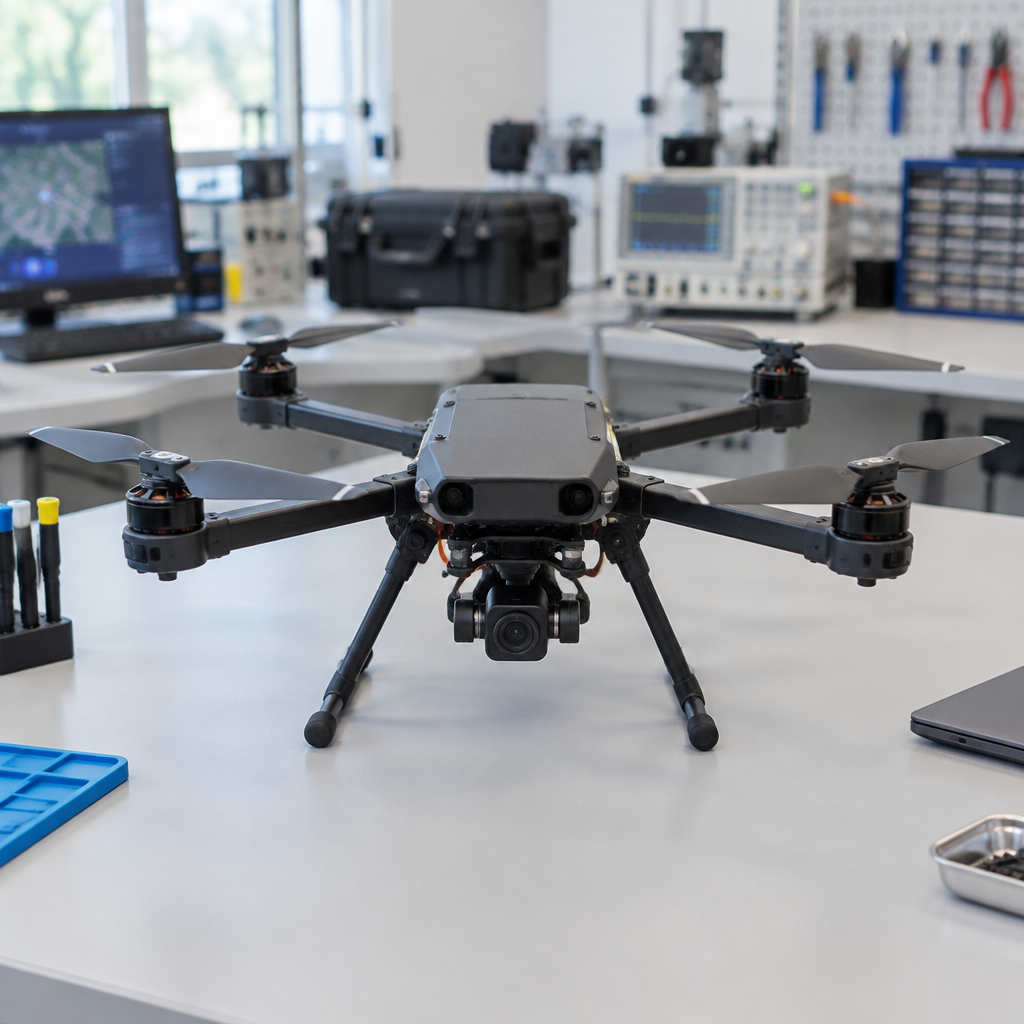
Quantum sensing, the article argues, is already at a level of maturity with direct warfighting implications. That includes navigation in GPS‑denied environments, detection capabilities that do not depend on vulnerable external systems, and positioning and timing accuracy that can blunt the effectiveness of GPS denial, signal jamming and electronic warfare. These sensing capabilities are described as present‑tense developments being developed and, in some cases, deployed by actors who treated the disruption as a military problem early.
Quantum‑inspired optimisation and decision advantage
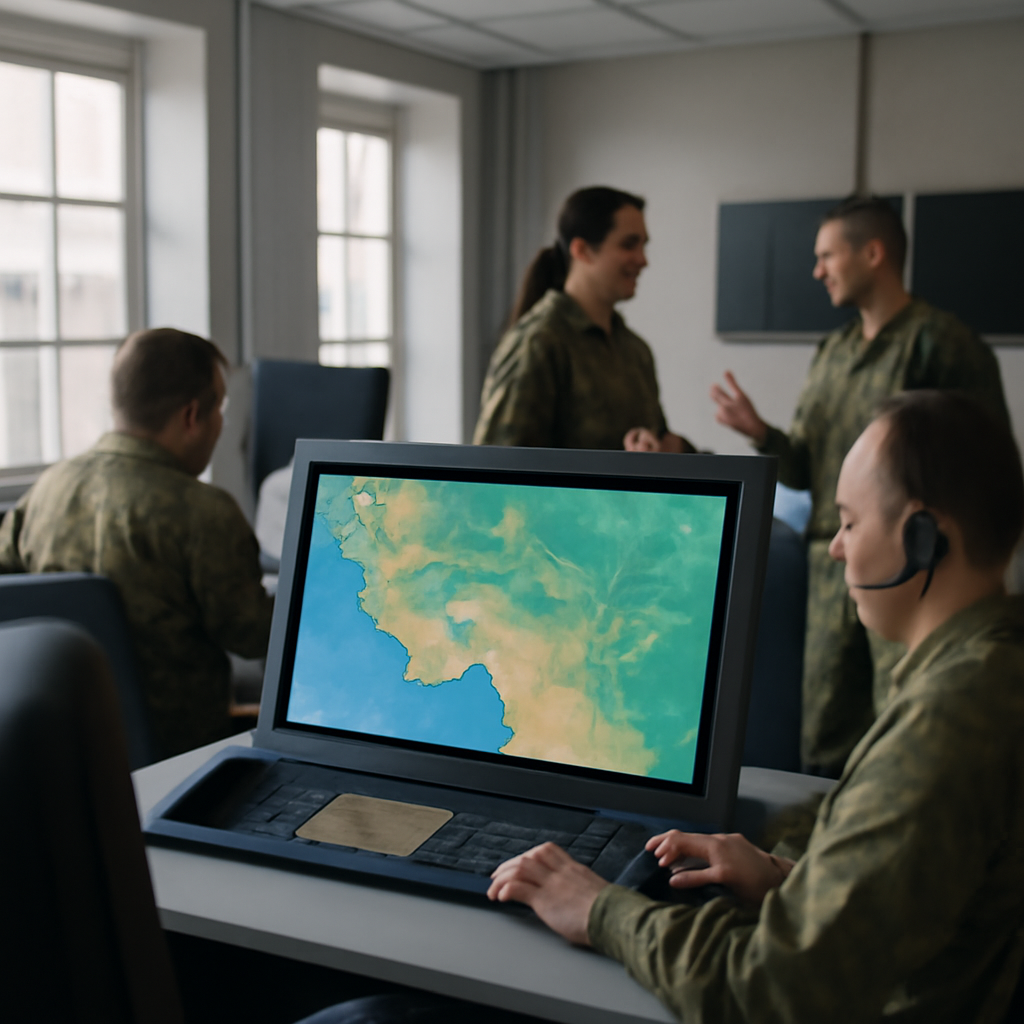
Beyond sensing, the piece underscores that quantum‑inspired optimisation — applying quantum principles to conventional computing — is already delivering advantage in logistics, force planning and coordination of autonomous systems. The convergence of quantum computing and artificial intelligence is portrayed as more than a speed boost: it enables new approaches to problems that resist classical computation, from fusing large sensor streams to modelling extreme conditions. Applied across the observe‑orient‑decide‑act cycle, this convergence promises not just faster decisions but a change in the structure of decision advantage.

Audit-ready is a season. It shouldn't be.
Evidence in spreadsheets, controls drifting between audits, frameworks multiplying on flat headcount. Nubivance runs continuous compliance on Rapid7 Cyber GRC - SOC 2, HIPAA, ISO 27001, PCI, CMMC.
End the scrambleCompressed R&D cycles and the expiring lever of chip controls
The historical pattern of a long lag between laboratory breakthrough and operational deployment has contracted. The article identifies three forces compressing the cycle: large‑scale commercial investment that defence budgets cannot match, AI‑accelerated materials discovery and simulation, and the reality that many useful quantum applications do not require fault‑tolerant universal quantum computing. That compression undermines a central comfort in current allied strategy: the chip export control regime. Because many quantum applications do not run on the classical chips subject to export controls, the chokepoint that has slowed adversary progress on classical high‑performance computing will not indefinitely buy time. Put bluntly, when quantum reaches operational scale, "the lever expires."
Australia’s research strength without an industrial base
The piece stresses a familiar but consequential distinction: Australia has strong quantum research capability but not a quantum industrial base. The recurring pattern described is "export the ideas, import the application" — research excellence becomes Australian capability only when another nation's procurement converts it into deployable systems that Australia then acquires. That pattern is characterised as dependence rather than self‑reliance, and dependence on a transfer mechanism the article cautions will not survive the quantum transition. It notes that the strategic frameworks available — including AUKUS Pillar Two — provide architecture that a self‑reliant quantum strategy could use, but warns the clocks for those frameworks and for chip controls are running at different speeds.
What this means for technologists, policymakers, and procurement leaders
- Technologists and security teams: continue to advance sensing and optimisation work now, because those capabilities are already delivering operational advantages and do not wait for a universal quantum computer.
- Policymakers and regulators: recognise that foresight is now the minimum requirement; strategy must go beyond research funding to include doctrine, procurement behaviour and industrial partnership design matched to compressed R&D timelines.
- Procurement leaders and military planners: convert research into deployable systems rather than relying on allied procurement to do that conversion; treat quantum as a warfighting problem that demands altered procurement cycles and doctrinal adaptation.
History, the article concludes, does not remember which side had the better research program but which side recognised a disruptive moment and moved. The sensing applications are operational, optimisation applications are delivering decision advantage, and the cryptographic threat — data harvested today for decryption tomorrow — is already underway. The strategic question for Australia is no longer whether quantum will matter to national security, but whether institutions are being built at the speed the compressed R&D cycle demands.