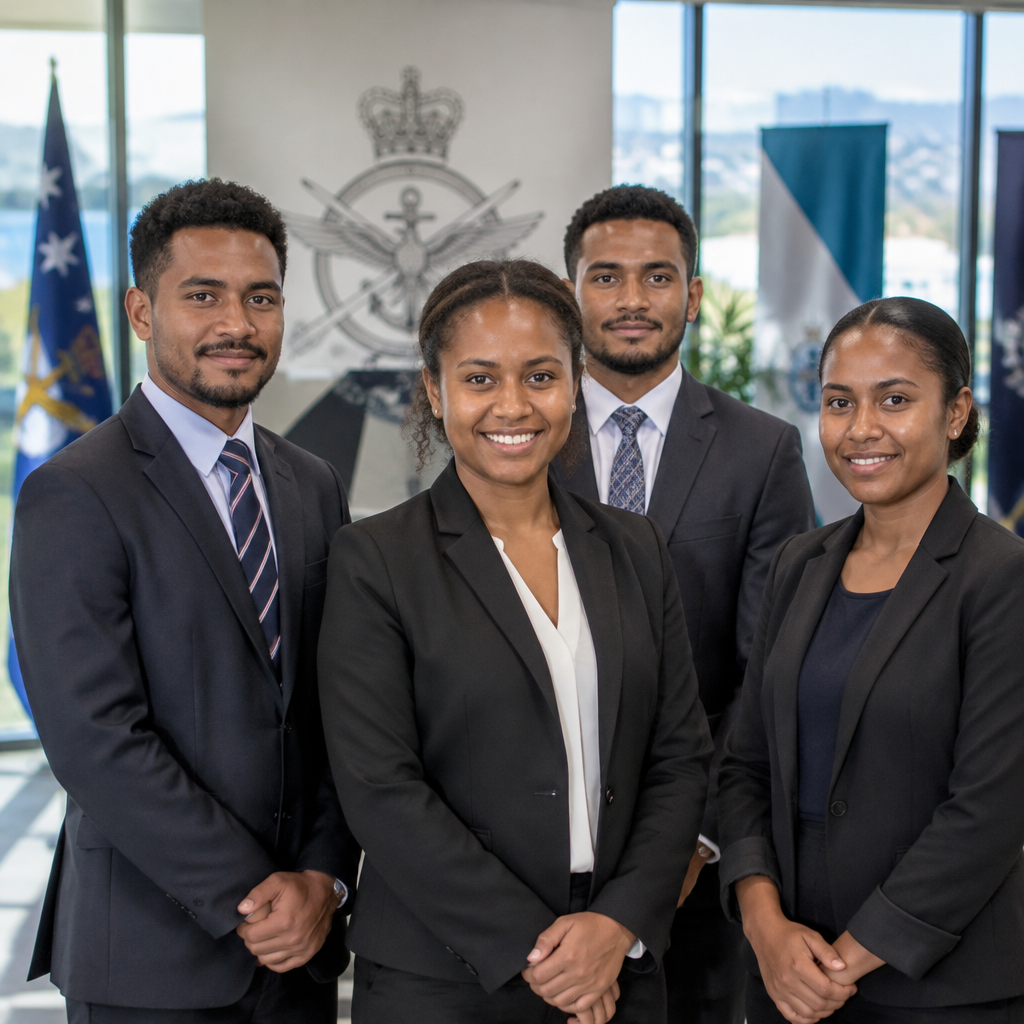
A$65 million will fund a pilot that invites 100 Papua New Guinean university students and recent graduates to join the Australian Defence Force — a sum and a promise that will almost certainly invite scrutiny unless Canberra makes the selection process plainly, publicly accountable.
The Pukpuk Treaty and the recruitment pilot
The job offers flow from the Pukpuk Treaty, the 2025 mutual defence pact that permits cross‑border recruitment. The pilot will take 100 students and recent graduates, aged 18 to 25, from three PNG institutions: the University of Papua New Guinea, Pacific Adventist University and the PNG University of Technology in Lae. Applications open on 16 November, and the first cohort is due to be sworn into the Australian Defence Force by late 2027. Recruits will start on temporary visas and — once eligible — must apply for Australian citizenship.
Who is eligible, and what is at stake for applicants
The jobs on offer carry Australian pay, a path to citizenship and notable local prestige — benefits the source describes as unmatched by any other opportunity commonly available to young PNG graduates. The three eligible universities have produced about 8,300 graduates since 2023. Even with conservative assumptions — if only a quarter of those graduates apply, not including current students — more than 1,900 applicants would be turned away.

Audit-ready is a season. It shouldn't be.
Evidence in spreadsheets, controls drifting between audits, frameworks multiplying on flat headcount. Nubivance runs continuous compliance on Rapid7 Cyber GRC - SOC 2, HIPAA, ISO 27001, PCI, CMMC.
End the scrambleWantok obligations, labour market context, and the size of expectations
Wantok — a Tok Pisin term meaning “one talk” that denotes kinship, language or regional ties — is the central social institution in PNG. Most students rely on wantoks for financial help with tuition, housing and living costs while at university. The source explains that, once a graduate secures salaried work, wantoks expect reciprocal support: remittances, jobs for relatives and a share in prestige associated with state positions such as the military or police.
That social dynamic means anyone with influence over the recruitment process will face heavy, ongoing pressure. To many Papua New Guineans, favouring relatives is how social obligations are fulfilled; to Australians, it looks like nepotism. The source warns that, in the PNG context, an opaque selection process will be read as corruption.
The broader labour market accentuates the stakes. A 2020 survey of University of Papua New Guinea economics graduates — the best data cited in the source — found that a quarter of respondents were still looking for work a year after graduating; the source judges that actual employment rates for PNG graduates overall are likely closer to 50 percent.
Precedent, social media dynamics, and reputational risk
There is precedent for fast‑moving allegations. In March, a viral video showed PNG Defence Force recruits who appeared too old and unfit to serve; subsequent allegations included bribery, forged certificates and tribal favouritism. The defence minister was accused of favouring recruits from his own electorate, denied the claims and stepped aside. Around 300 recruits were sent home and soldiers blockaded Murray Barracks in Port Moresby in protest. At the PNG Defence Force's request, Australian Brigadier Nick Foxall was brought in to support the investigation as an outsider free of wantok ties.
The source highlights how narratives now spread: traditional media remain relevant, but WhatsApp groups, Facebook and TikTok can amplify “eye‑catching and confrontational” claims far faster than official rebuttals. Goodwill toward Australia, the analysis warns, could quickly turn to resentment if people believe institutions or politicians have abused the recruitment process.
What this means for the Australian Defence Force, PNG applicants, and Canberra
- Australian Defence Force: If the pilot is to build rather than burn goodwill, the source urges the ADF and Canberra to use measurable, published criteria as the basis for selection and to state clearly who will make the decisions.
- PNG applicants and their wantoks: Applicants will face intense social pressure; the source recommends that unsuccessful applicants be told why and shown the score cutoffs that separated those chosen from the rest, to reduce the perception of arbitrariness.
- Canberra and communicators: The source calls for over‑communication — publish criteria with weightings when applications open, repeat the message in English and Tok Pisin, and after each round publish how many eligible people applied, and which provinces and universities they came from.
Communication is cheap; doubt is expensive. The pilot’s aims — to offer wages, mobility and prestige to 100 young Papua New Guineans — are explicit and limited. Absent the kind of transparent, metrics‑based selection and post‑round disclosure the source recommends, those 100 places risk becoming a focal point for the very corrosive allegations the program seeks to avoid.
https://www.aspistrategist.org.au/if-adf-recruitment-in-png-isnt-transparent-it-will-look-corrupt/