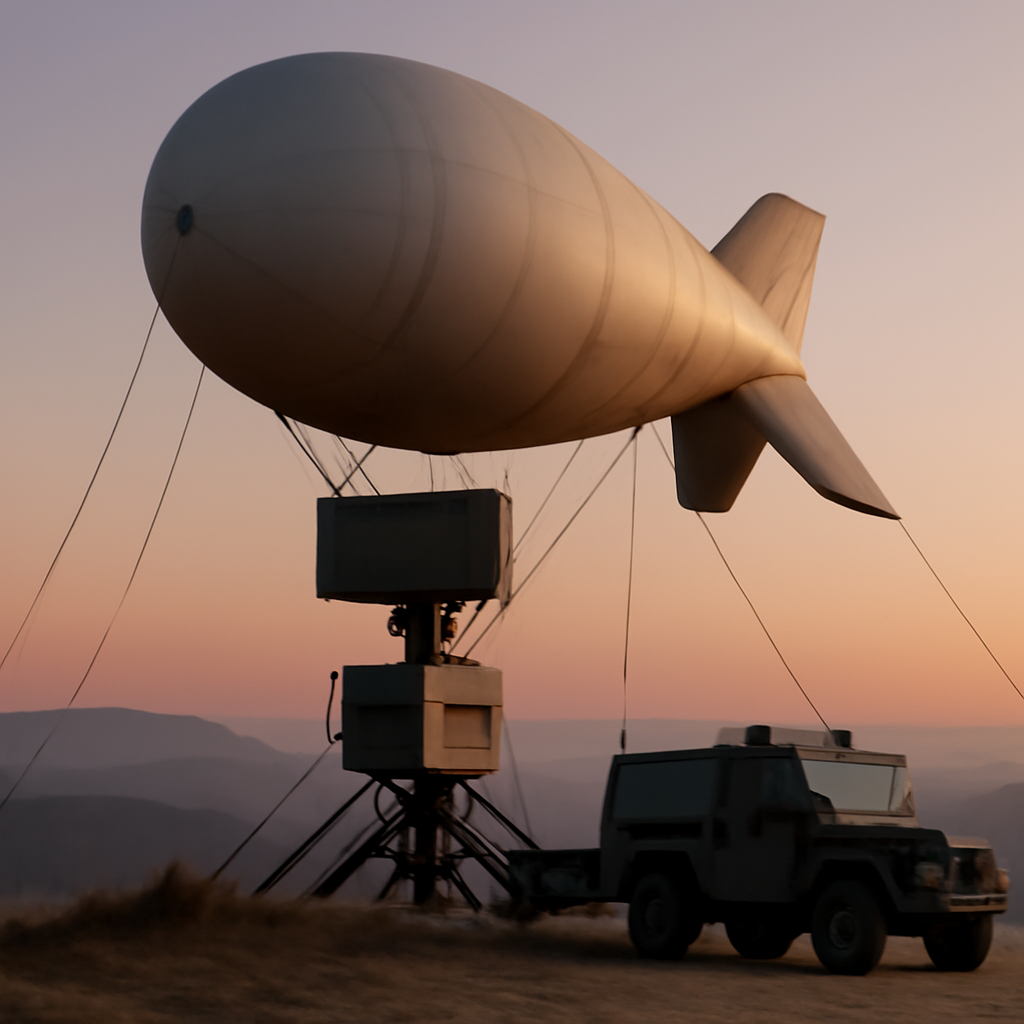
"The Department of Defense ... was ‘not concerned that this is a serious possibility’," wrote Elbridge Colby, the US Under Secretary of Defense for Policy, in July — a warning aimed squarely at middle-power fantasies of substituting for great-power strength. For Canberra, that warning has been taken as instruction.
AUKUS: a coalition of the capable, not a procurement program
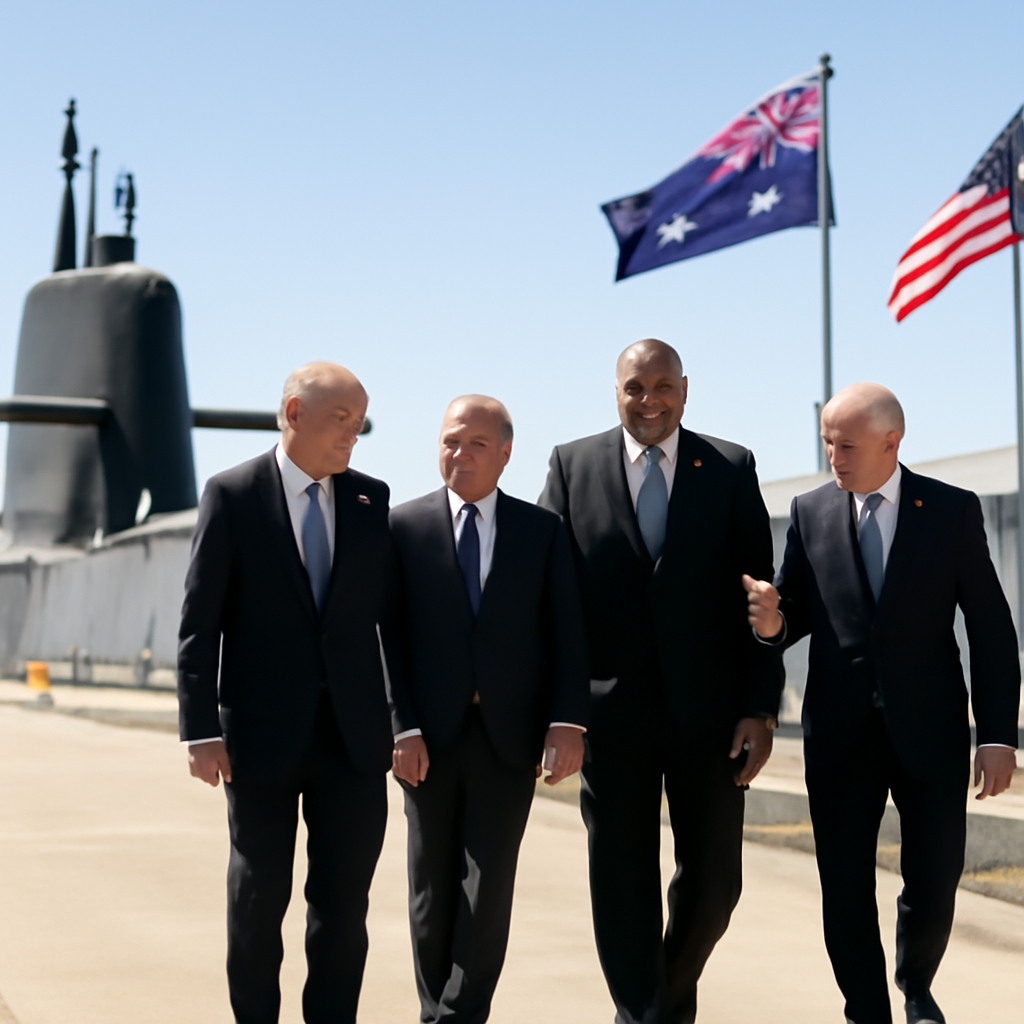
Australia has turned alignment with the United States into an organizing strategy rather than a loss of sovereignty. The vehicle is AUKUS — a security partnership with the US and Britain backed by binding commitments and real capability. The source describes AUKUS as more than a defence procurement program: it is “the most advanced real-world example of a coalition of the capable.” Focused on nuclear-powered submarines and a portfolio of advanced technologies, AUKUS is held up as the model for coalitions that demand capability, speed and action rather than inclusivity and rhetoric.
Critical minerals and the 2025 Framework
Australia’s large critical-minerals reserves are central to the strategy. With China dominant in processing, Canberra and Washington signed the US-Australia Framework for Securing Supply in the Mining and Processing of Critical Minerals and Rare Earths in 2025. The framework, the source says, positions Australia as the US’s primary trusted partner alternative to Chinese processing — an economic lever that can be converted into strategic indispensability.

Audit-ready is a season. It shouldn't be.
Evidence in spreadsheets, controls drifting between audits, frameworks multiplying on flat headcount. Nubivance runs continuous compliance on Rapid7 Cyber GRC - SOC 2, HIPAA, ISO 27001, PCI, CMMC.
End the scrambleStrategic geography: HMAS Stirling, Tindal and Pine Gap
Geography contributes to the calculus. Australia is described as removed from “China’s dense strike‑missile envelope” while anchoring the southern Indo‑Pacific. Its joint facilities — forward basing for submarines at HMAS Stirling, long‑range strike at Tindal and intelligence infrastructure at Pine Gap — were built over six decades and together provide Washington with regional strategic depth “it cannot get elsewhere.” That geographic value is presented as a form of managed dependency that turns vulnerability into leverage.
Economic exposure to China and selective decoupling
Australia’s economic ties to China remain large: the bilateral trading relationship was worth A$326 billion in 2025. Yet Canberra has not achieved broad diversification despite political intent. What has shifted, according to the source, are investment patterns: Chinese foreign direct investment in Australia has fallen to among its lowest levels since 2006. The recommended approach is not rupture but selective decoupling — reducing dependency in strategic sectors “weaponised by Beijing,” including technology, infrastructure and critical minerals processing.
Data-centre hosting and Anthropic’s 1.4 gigawatts talks
Another axis of managed dependency is digital infrastructure. Hosting data-centre capacity for US technology companies is already in motion: AI company Anthropic is reported to be negotiating with the Australian government for up to 1.4 gigawatts of capacity. Such projects are presented as complementary to minerals and military ties — different vectors through which Australia can become indispensable to US technology and defence supply chains.
What this means for policymakers, technologists, and procurement leaders
- Policymakers and regulators: Expect continued emphasis on formalised security ties and legal frameworks that bind cooperation (AUKUS and the 2025 minerals framework) while pursuing targeted economic measures that reduce strategic dependencies.
- Technologists and security teams: Watch for expanded data‑centre projects and the implications of hosting major AI infrastructure locally, alongside efforts to build domestic processing capacity for critical minerals.
- Procurement leaders and defence planners: AUKUS’s focus on nuclear‑powered submarines and advanced technologies will shape long‑term procurement priorities and bilateral interoperability commitments with the US and Britain.
The central argument in the source is straightforward: by converting exposure into managed dependency — through AUKUS, minerals, geography and data infrastructure — Australia can make itself indispensable inside the US orbit. Australia’s next task is to correct its economic overexposure to China, a trading relationship worth A$326 billion in 2025. Australia is poised to win the moment.