Innovation at the Helm: How One Army Unit is Redefining Drone Training with Ukrainian Ingenuity
The modern battlefield is evolving at breakneck speed. For years, armed forces have grappled with the rapid technological shifts that redefine traditional combat zones. Now, as drone warfare takes center stage, an Army unit has stepped into the spotlight by pioneering a virtual training system that leverages software originally used by Ukrainian troops. This breakthrough marks more than just a technological upgrade—it signals a strategic recalibration in how the military prepares for future conflicts.
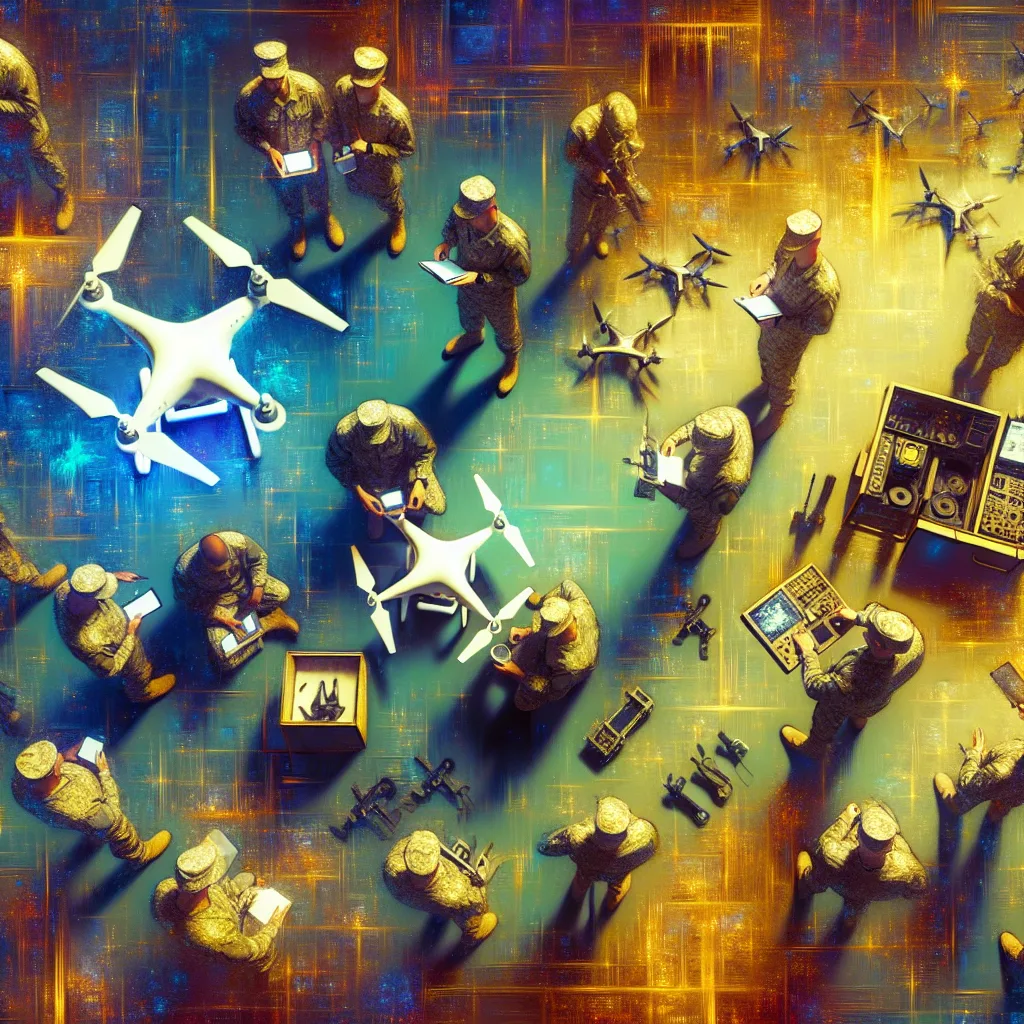
In recent months, Army officials have detailed a sweeping overhaul of drone training protocols across multiple units. At the heart of this transformation is a virtual trainer crafted in-house, an initiative inspired by lessons learned from the Ukrainian conflict. Ukrainian troops, operating in a conflict zone marked by agile adversaries and a relentless pursuit of tactical superiority, developed and refined software designed to simulate real-world drone operations under pressure. Recognizing its potential value, one Army unit adapted the technology, tailoring it to meet the evolving challenges faced by its own drone operators.
This innovative training tool does more than replicate field conditions. It integrates data collected from active operational theaters, offering soldiers a chance to refine their decision-making processes against a backdrop of simulated, yet realistic, aerial scenarios. Such simulations are crucial in a landscape where swarming tactics, electronic warfare, and rapid target engagement can dictate the outcome of missions. The virtual trainer also allows for iterative learning; operators can revisit specific scenarios, analyze missteps, and incrementally improve their responses without the risks associated with live exercises.
Historically, the Army’s approach to drone training has emphasized both classroom instruction and hands-on field practice. However, amid technological advancements and shifting adversary strategies, there emerged an urgent need for a training regimen that was as adaptive and immediate as the threats soldiers face. This adaptation is part of a broader trend toward digital and virtual training modalities, echoing earlier transitions seen in areas such as flight simulation and cyber operations. By integrating Ukrainian-developed software into its training arsenal, the Army is not only modernizing its operational playbook but also fostering a culture of innovation at a time when traditional tactics are rapidly becoming outdated.
Numerous factors contributed to this shift. Analysts have noted that the rise of unmanned systems in contemporary conflicts—ranging from reconnaissance to direct attack roles—has placed newfound emphasis on rapid learning and adaptability. The integration of virtual reality (VR) and augmented reality (AR) technologies into military training is not entirely new; however, the direct borrowing of war-tested Ukrainian software is an unprecedented move that underscores the increasingly collaborative and adaptive nature of modern military innovation.
What makes this development compelling is the Army’s ability to blend field-tested foreign innovations with its extensive domestic military research and development framework. Army spokespersons have emphasized that the system is designed to provide realistic combat simulations without the resource strain of live drone operations. The virtual trainer’s software mirrors real-time decision-making, complex threat assessments, and environmental variables, ensuring that soldiers are better prepared for the unpredictability of modern combat scenarios.
In practical terms, the roadmap for this virtual trainer is multifaceted. It encompasses:
- Realistic Scenarios: Incorporation of environment-specific data that replicates the dynamic conditions soldiers might encounter overseas.
- Iterative Learning: A modular design that lets operators practice, review, and refine their strategies based on simulated outcomes.
- Resource Efficiency: A significant reduction in the need for costly physical training exercises, thus reallocating funds toward other strategic priorities.
Experts in military technology, including those from the Defense Advanced Research Projects Agency (DARPA) and the Army Futures Command, have observed that real-time adaptability is now just as crucial as hard data in training programs. Colonel James Anderson, a noted figure in military tech innovation, has pointed out in forums and panel discussions that “modern simulation environments are essential for preparing our troops for the non-linear and often unpredictable nature of future engagements.” While his comments reflect broader expert sentiment, they also underscore the value of integrating lessons from active theaters such as Ukraine’s ongoing hostilities.
For policymakers and defense strategists alike, the revamped training approach has broader implications. It suggests a willingness to adopt and adapt foreign technological advancements in the service of national defense. Such strategies are critical to maintaining technological edge and operational readiness in an era where tactical innovation can directly translate into mission success. Moreover, it aligns with a growing recognition that interoperability and shared innovations across allied forces can serve as force multipliers on the modern battlefield.
Critics, however, caution that reliance on technology from foreign operational theaters must be carefully managed. There are concerns about the long-term integration of software developed under distinct doctrinal conditions and the need to ensure that such systems are immune to cybersecurity vulnerabilities. The Army has responded by emphasizing rigorous testing and validation protocols. Official documents from the Department of Defense have highlighted a collaborative review process that brings together experts in cybersecurity, software engineering, and military strategy to ensure the trainer’s resilience against potential threats.
Looking ahead, the Army’s strategic overhaul invites closer scrutiny. Will other units adopt similar virtual training platforms? How might this innovation evolve as drone technology itself advances? As the Army integrates these new tools into its broader operational framework, there is a clear expectation that the next generation of drone operators will be as proficient in digital combat simulation as they are in traditional field maneuvers.
In the coming months, further adaptations of the system are expected, including potential modifications that can simulate enemy electronic warfare tactics. This evolution is a reminder that innovation is a continuous journey. By embracing a collaborative, forward-thinking approach to training, the Army is paving the way for a more adaptable and resilient force, ready to confront the challenges of 21st-century warfare.
Ultimately, the story behind this revolutionary training system is emblematic of a broader military transformation. It is a clear signal that in a world defined by rapid technological progress, the ability to learn—and to learn quickly—remains one of the most potent assets on the battlefield. As history has often shown, those who adapt swiftly are best positioned to lead, both in the arena of combat and in the broader narrative of national security. In this new era, one may well ask: Are we ready to meet the complex demands of tomorrow’s wars with the lessons of today?