"It's a good reminder that readiness is not confined to a motor pool, a runway, or a headquarters building," Brandon Pugh told reporters, laying out why the Army has pushed a new handbook that urges pre‑event coordination between its bases and the towns and utilities that keep them running.
The Defense Critical Infrastructure community coordination guide and its purpose
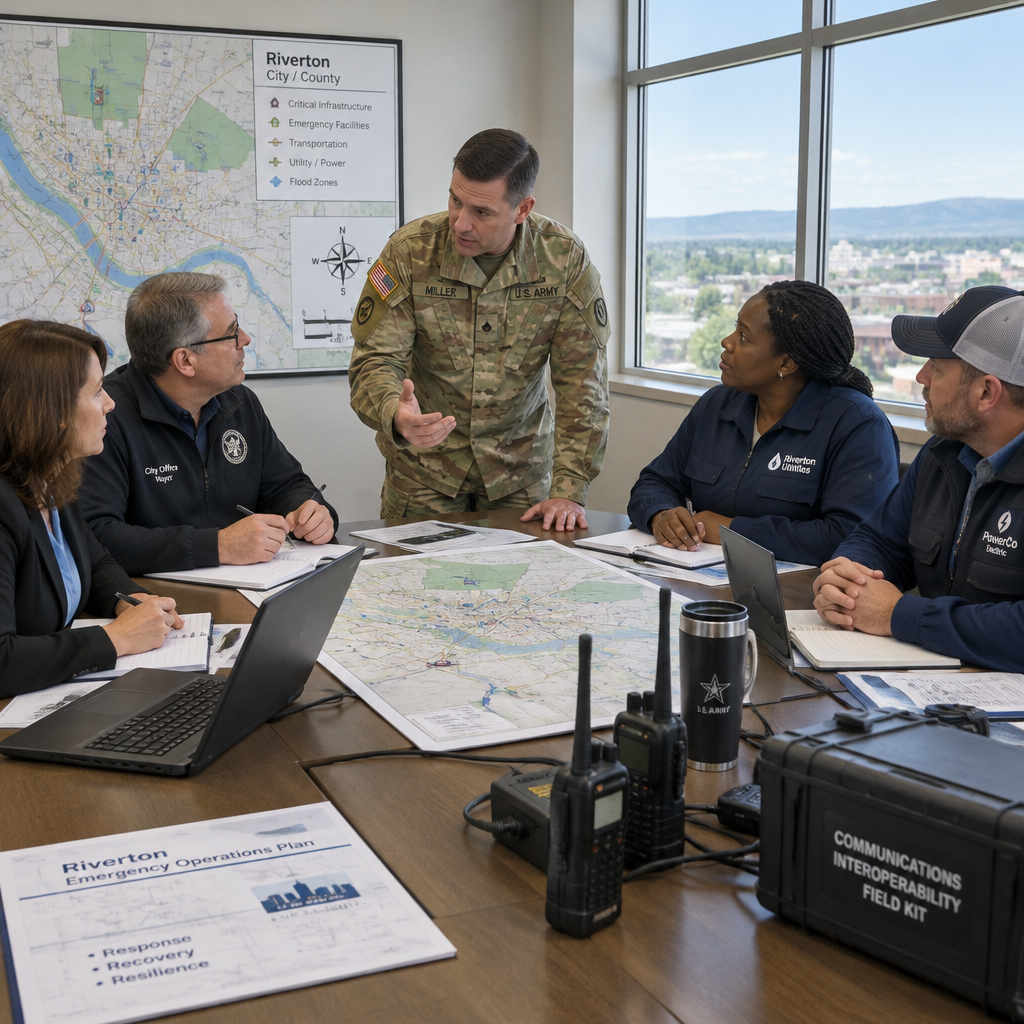
The Army released its Defense Critical Infrastructure (DCI) community coordination guide Thursday, following the service's second DCI summit of the year. The handbook offers suggested approaches for Army installation officials to coordinate with local governments, utilities, and other services so that lines of communication and responsibilities are already in place before disasters or attacks disrupt normal operations.
How the Army frames its dependencies — power, water, fuel, ports
The guide and summit messaging emphasized that Army installations are deeply interconnected with civilian lifelines. Brandon Pugh, chief of staff to the acting Army secretary, stressed that readiness depends on "power, communication, transportation networks, fuel, water, and ports, just to name a few." Lt. Gen. Matthew McFarlane, who commands Joint Base Lewis‑McChord and the corps that oversees Army infantry divisions in Hawaii, Alaska, Washington, and Colorado, warned that "when an adversary or natural disaster disrupts a municipal power grid, a water system, or a fiber trunk, the mission feels it immediately."
The guide specifically calls out locally shared infrastructure: electricity that powers operations centers; water that sustains barracks and families; communications networks; state highways; rail corridors; and deep‑water terminals such as those at the Port of Tacoma that move brigades and units.

Your town's IT department is one person. Maybe.
Ransomware crews target small municipalities because nobody's watching. Nubivance gives Maine and New Hampshire towns a security program sized to a town budget.
Protect the town officeTwo summits: Fort Bragg in May, Joint Base Lewis‑McChord on Thursday
The Army has held two DCI summits this year. The first convened in May at Fort Bragg, North Carolina, and took a national‑level view, according to Pugh. The second occurred at Joint Base Lewis‑McChord (JBLM) and focused on "the particulars of the base’s Pacific Northwest location," Pugh said.
Jordan Gillis, the Army’s civilian head of installations, energy and environment, described those gatherings as opportunities to "sync face to face with the local partners," build relationships, and establish a baseline understanding of mutual needs so that "in any kind of crisis, we've already got those relationships."
Counter‑UAS and the role of JIATF 401, Domestic Shield, and FORTRESS America
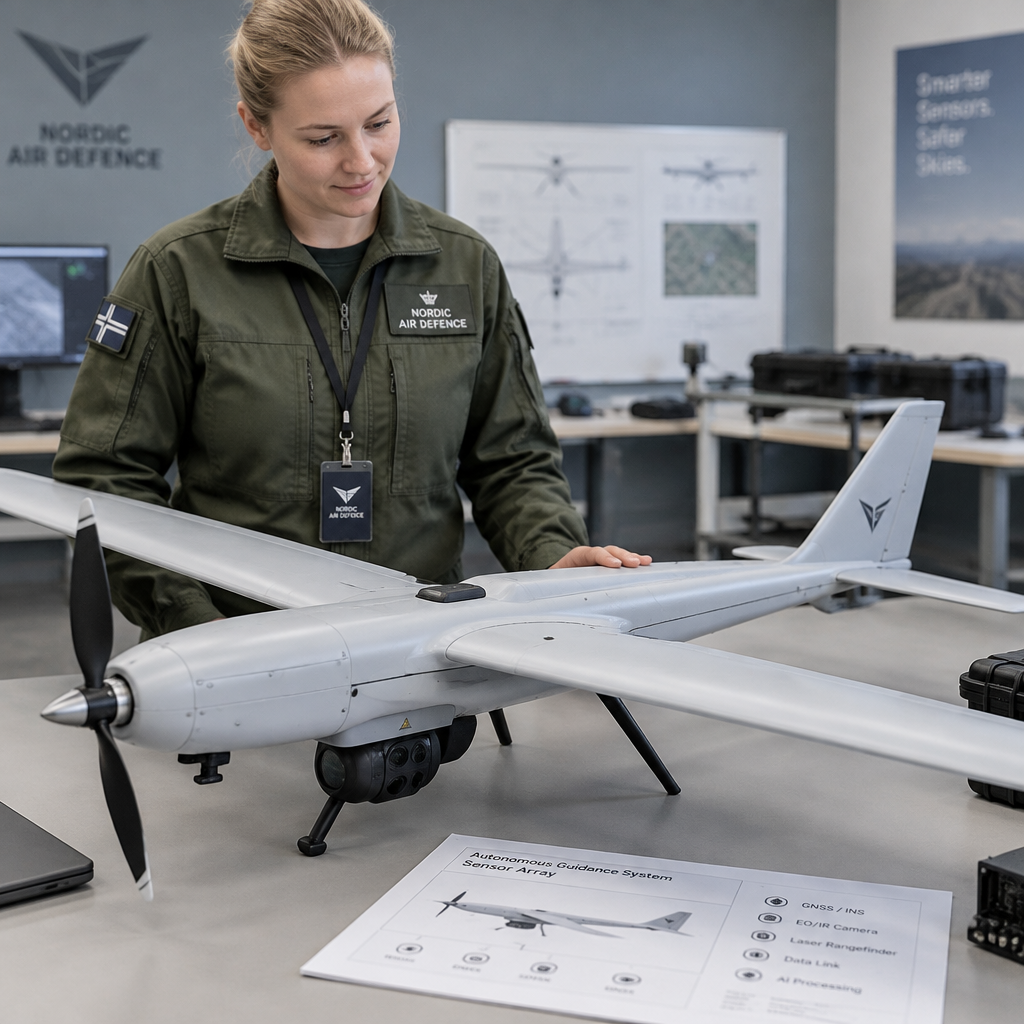
Drone threats were a prominent subject at the JBLM summit. Representatives from Joint Interagency Task Force 401 — described in summit remarks as the Army‑led Defense Department effort to field counter‑unmanned aerial systems throughout DoD and domestic security agencies — highlighted recent operational work at JBLM.
"We have prioritized the protection of critical installations and power projection capabilities, including the first ever fielding of counter‑UAS equipment through the Domestic Shield program, right here at Joint Base Lewis‑McChord," Sgt. Maj. Kellen Rowley, JIATF 401’s senior enlisted adviser, told reporters. Rowley added that there is a need for "a training ecosystem that exists between our state, local, territorial, and tribal law enforcement partners and our military members" to rehearse battle drills and "effectively counter UAS."
The summit discussion linked DCI work to broader domestic security programming, naming DoD’s new FORTRESS America domestic security program alongside the Domestic Shield counter‑UAS fieldings.
How installation leaders, local governments, and law enforcement are responding
- Installation leaders: Army officials are using face‑to‑face summits and the new guide to formalize pre‑event contacts and responsibilities with neighboring communities so mission‑critical functions continue when municipal systems fail.
- Local governments and utilities: The Army is urging utilities and local agencies to establish baseline understandings and lines of communication with installations over services such as water, wastewater, electric and natural gas supply, and transportation links that support military movements.
- Law enforcement and DoD counter‑UAS programs: JIATF 401 and summit participants are pressing for joint training ecosystems that allow state, local, territorial, tribal law enforcement and military personnel to rehearse coordinated responses to drone threats under Domestic Shield and related programs.
The guide and the two summits together frame a clear operational assumption: Army readiness is only as resilient as the civilian networks that support it. With 288 camps, posts, and stations across the force tied to local power, water, fuel, and transport, the Army is pushing to convert ad hoc contacts into rehearsed, documented coordination before the next crisis makes those links critical.