What does it mean when a privately developed "best drone" goes from a competition floor to a research partnership with the Army Research Lab — and what do the soldiers who judged it say about how the service should use that momentum?
What was reported
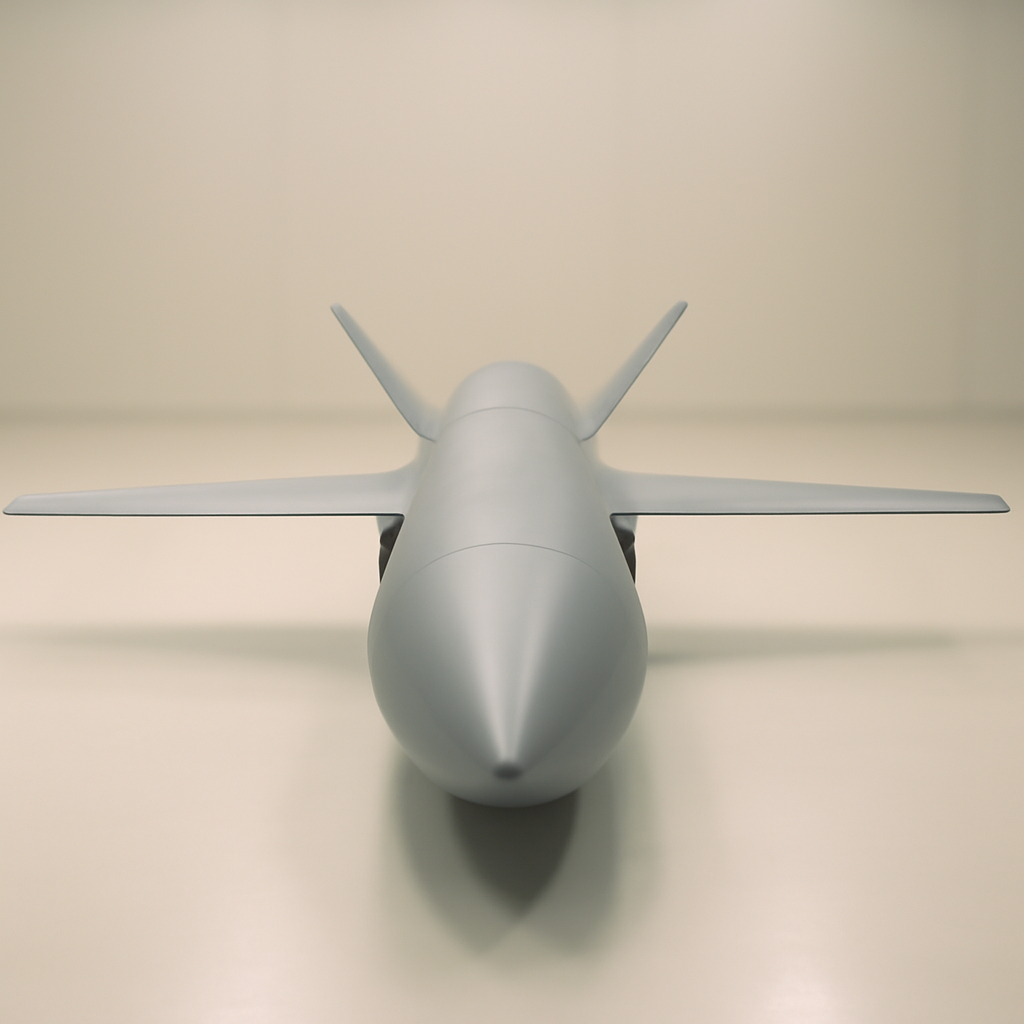
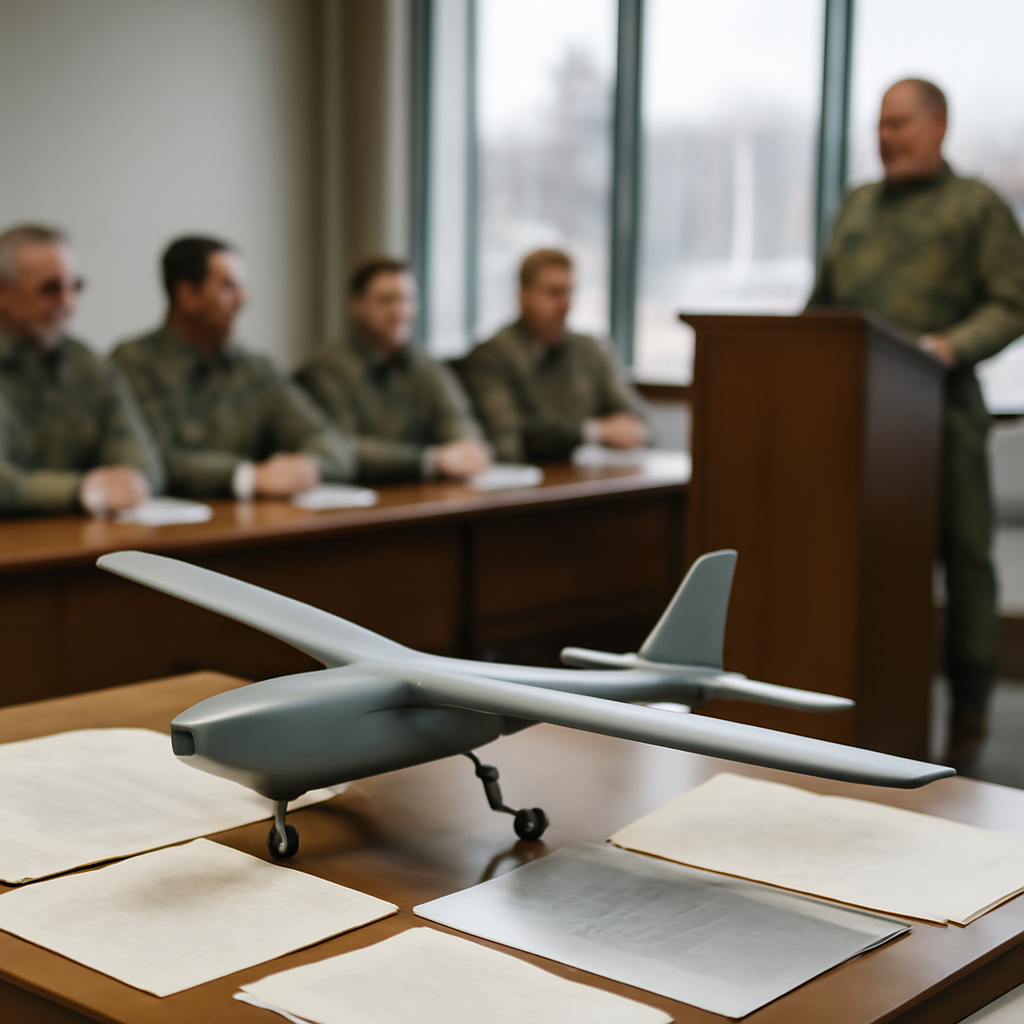
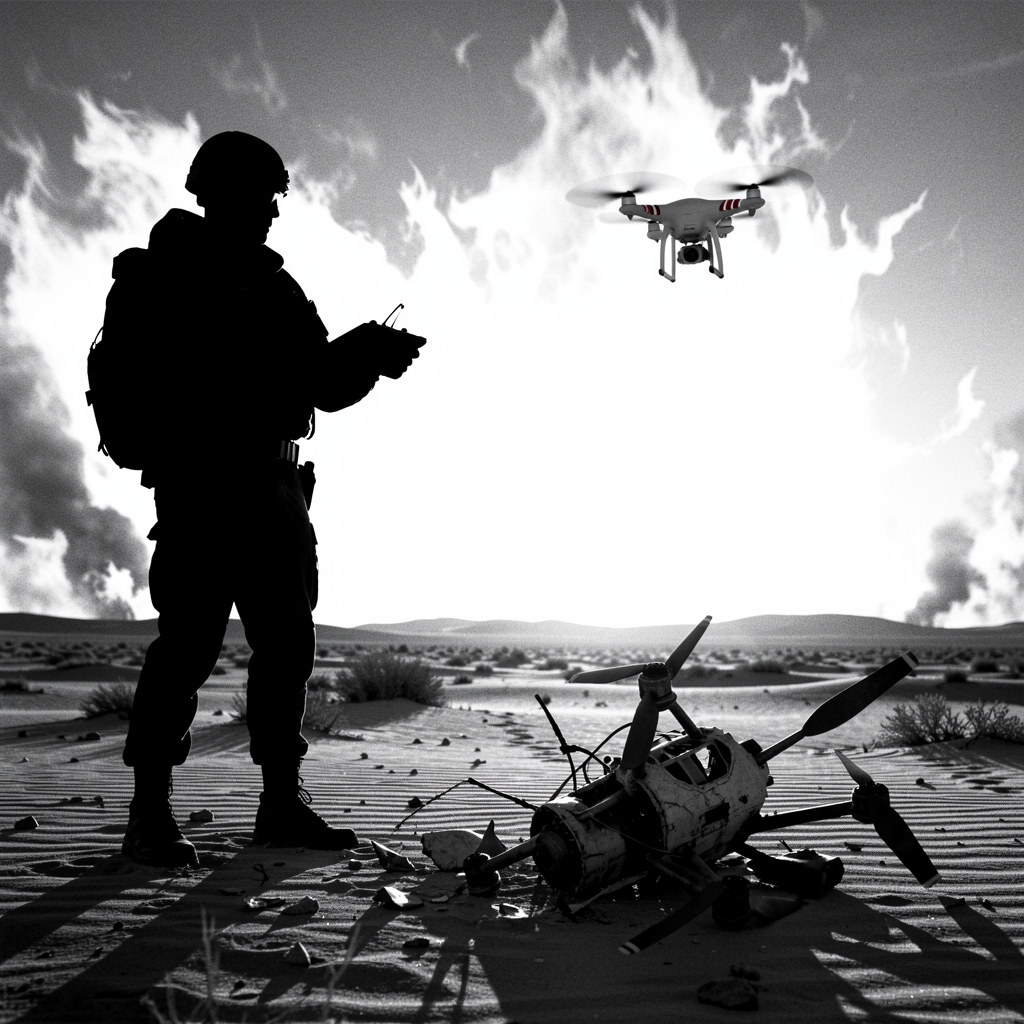
The winner of the Best Drone innovation competition is developing an "enemy drone recovery system" in collaboration with the Army Research Lab, according to reporting on the project. At the Army Aviation Warfighter Summit, soldiers who participated in the first Best Drone Warfighter competition shared lessons learned from that event.
Context and immediate implications
Two facts stand out from the coverage: a competition-winning innovation has moved into a formal research partnership with a government lab, and soldiers who took part in the inaugural competition publicly discussed their operational takeaways at a service conference. Together, those details indicate a pathway from warfighter-driven experimentation to institutional research engagement and public feedback by end users.

The cyber insurance questionnaire just landed. Now what?
SOC 2, HIPAA, insurance renewals - someone has to own security strategy. Nubivance provides fractional CISO leadership without the full-time salary.
Get a security leadWhy this matters
- For technologists: a competition win that leads to lab collaboration can accelerate prototype development and testing under government auspices, potentially changing timelines for refinement and fielding.
- For military users: soldiers sharing lessons at the Army Aviation Warfighter Summit signals that operational experience from the competition is informing thinking inside the force — from tactics to requirements — rather than remaining confined to the demonstration floor.
- For policymakers and program managers: the reported partnership raises questions about how the service and its laboratories choose to scale, integrate, and fund promising commercial or competition-born technologies.
- For potential adversaries: a development described as an "enemy drone recovery system" suggests an operational focus on interacting with hostile unmanned systems, although the reporting does not detail capabilities or employment concepts.
Lessons and unanswered questions
Solders' public lessons from the first Best Drone Warfighter competition are a key piece of the record; they show that the event produced operational insight worth airing at the Army Aviation Warfighter Summit. The move from competition to research collaboration also raises practical questions that the reporting does not resolve: how the Army Research Lab and the innovation winner will structure development, what timelines or tests are planned, how soldier feedback will be incorporated, and what metrics will determine success.
Those gaps matter because they shape whether a promising concept becomes a durable capability or a one-off demonstration. They also determine how rapidly armies can learn from experiments and convert that learning into equipment and doctrine.
In the end, the story is as much about process as it is about technology: a competition seeded a prototype, soldiers turned their experience into lessons, and a national lab took on development. Will that chain — from contest to lab to force — produce the practical tools soldiers need? Only continued transparency about goals, testing, and results will tell.