"We need information for sure," Sen. Kevin Cramer said after a hearing this week — a terse demand that captures the twin pressures now bearing on the Air Force’s KC‑46 Pegasus program: a delayed vision upgrade and a steep projected price increase for future aircraft.
Air Force and Boeing outline a three‑pronged readiness plan
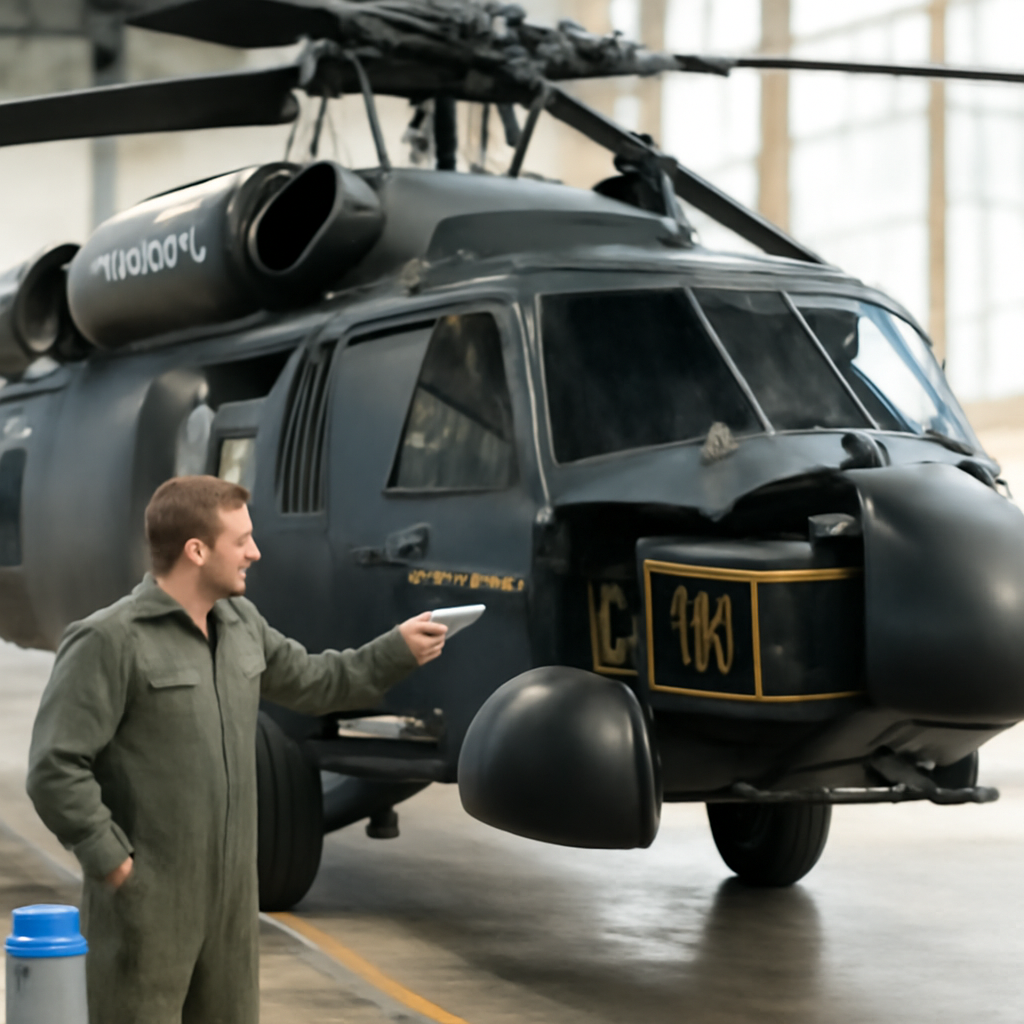
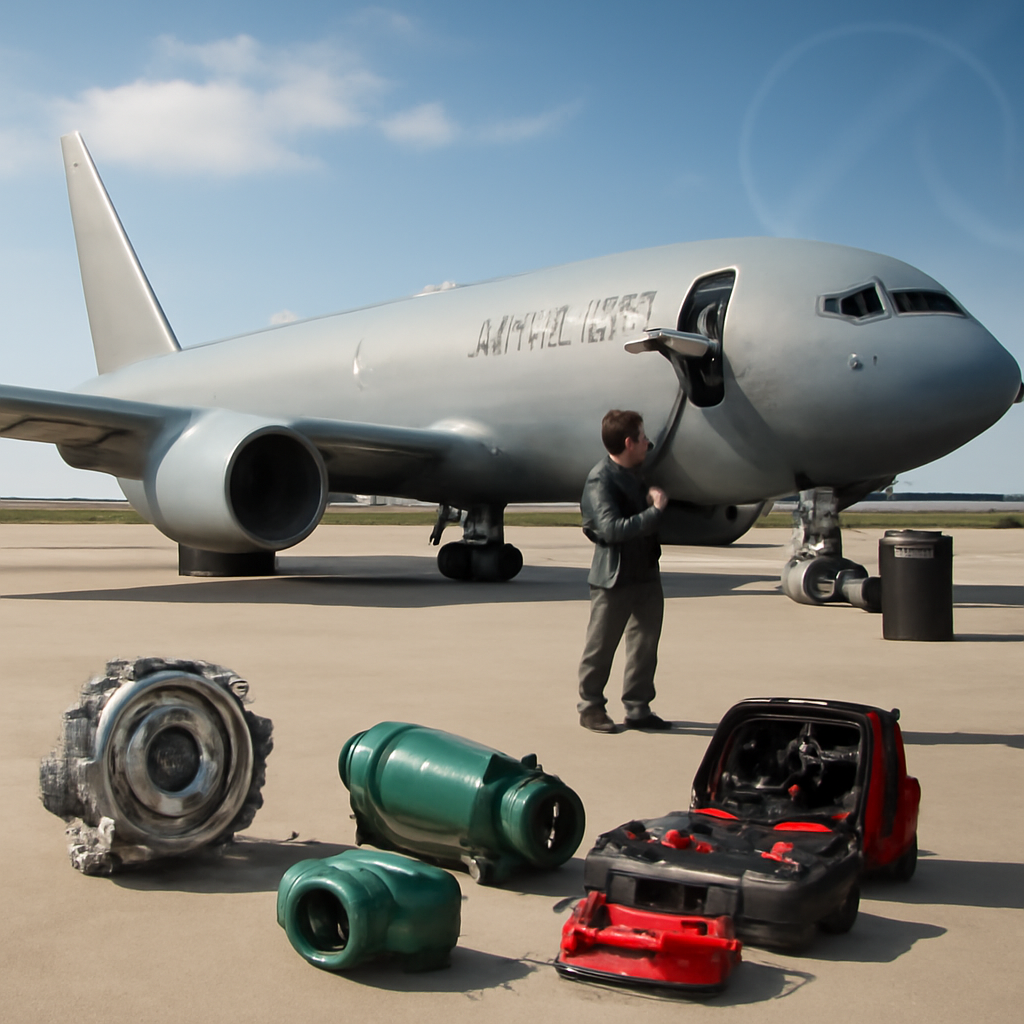
The Air Force and Boeing announced a coordinated set of actions intended to boost KC‑46 readiness, the service said in a press release. The plan includes repurposing five earlier KC‑46s into "dedicated test assets" to free up "high‑value spare parts" for operational jets; a "temporary, performance‑based logistics agreement" for the tanker’s "aerial‑refueling subsystem and other key components," which the Air Force calls the largest detractors of KC‑46 availability; and accelerated retrofits of the jet’s vision system through bundled installation and depot maintenance.
The service said those measures, together with investments proposed in the Air Force’s fiscal 2027 budget request, should boost near‑term aircraft availability by six percent, rising to 20 percent by 2030. The Air Force did not respond by press time when asked for the Pegasus’ current availability rate. Separate reporting by Air & Space Forces Magazine last year put the jet’s mission capability at 61 percent in fiscal 2024, down from 65 percent in FY23.
RVS 2.0 vision upgrade slips; retrofit timeline shortened
The Air Force disclosed a new schedule slip for the KC‑46’s updated vision system, known as RVS 2.0, saying it is now "[s]cheduled to begin fielding in early 2028." That pushes back a previous service expectation of summer 2027 and follows even earlier forecasts that the system would be ready in 2023. The Air Force has previously attributed delays to the Federal Aviation Administration’s certification process.
The service said it will shorten the overall retrofit timeline for the fleet from 13 years to seven by bundling vision‑system installation with depot maintenance — a move intended to speed fielding across the fleet even as the initial fielding date has shifted.

Audit-ready is a season. It shouldn't be.
Evidence in spreadsheets, controls drifting between audits, frameworks multiplying on flat headcount. Nubivance runs continuous compliance on Rapid7 Cyber GRC - SOC 2, HIPAA, ISO 27001, PCI, CMMC.
End the scrambleProduction extension, price jump, and purchasing conditions
The Air Force is seeking authority to buy as many as 75 more KC‑46s under a production extension program and wants to raise the annual production rate from 15 to 18 aircraft. Fiscal 2027 budget documents included in the announcement show a gross unit price of roughly $334 million for jets bought in FY28, compared with $235 million in FY27 — a roughly $100 million per‑copy increase that drew pointed questions from lawmakers.
The Air Force has made clear it will not implement a new production contract unless lingering top issues, characterized as category 1 deficiencies, are resolved. Negotiations with Boeing are "ongoing" to try to keep costs "as competitive as possible," Lt. Gen. David Tabor, the Air Force’s deputy chief of staff for plans and programs, told senators during a hearing.
Tabor also told the committee that current production aircraft "are perhaps the cheapest tankers that we’re buying" and that Boeing sold at a loss under earlier fixed‑price development and production options. The plane maker has reported "staggering losses of over $7 billion," and disclosed a fresh $565 million charge in January, the Air Force statement noted. Boeing did not respond to a request for comment by press time.
Sen. Ted Budd’s and Sen. Kevin Cramer’s questions to the Air Force
At a Senate Armed Services Airland subcommittee hearing, Sen. Ted Budd pressed Air Force officials on why the unit cost would rise for "the same capability being delivered in 2027." In response, Lt. Gen. Tabor described the earlier production runs as unusually inexpensive and said discussions aimed at driving a competitive price are underway.
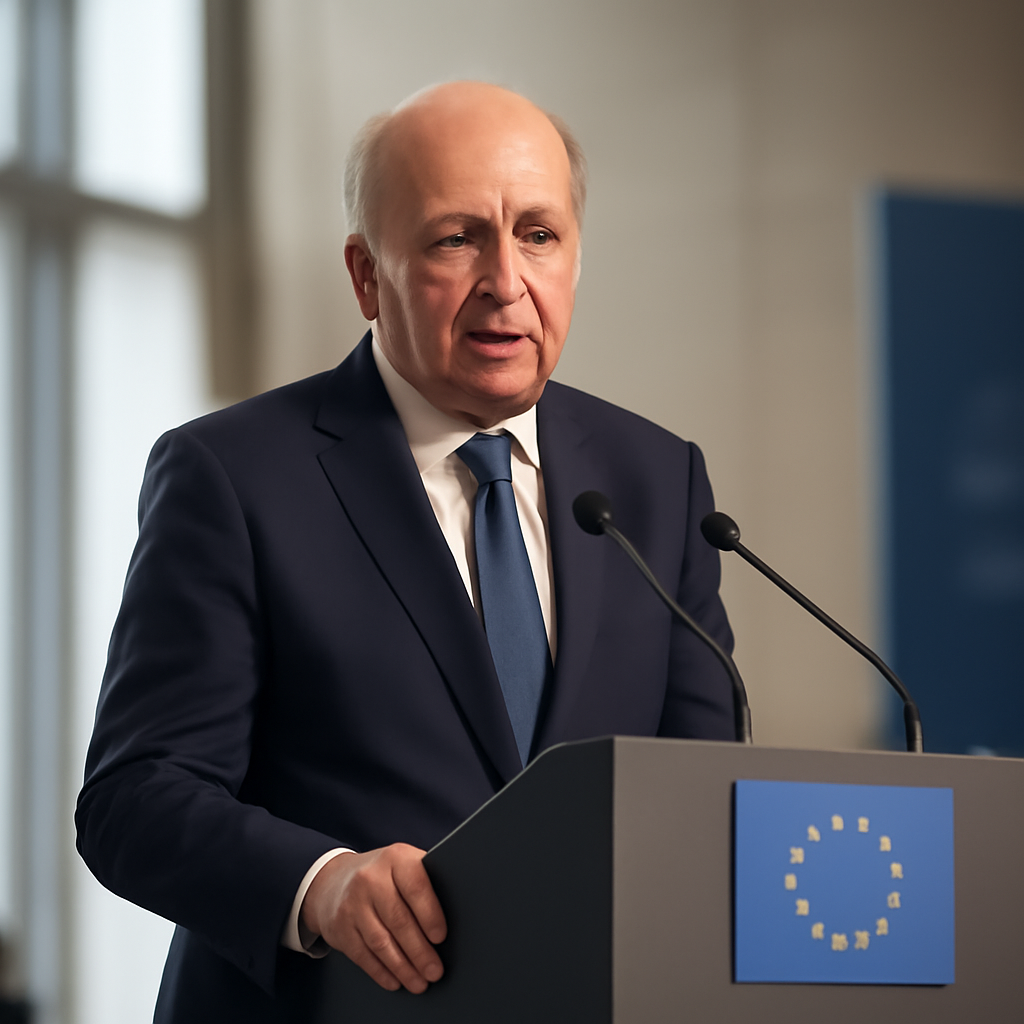
After the hearing, Sen. Kevin Cramer said the cost increases raised concerns about motive and process, and he called for modernization of the procurement approach: "We need information for sure" and "we’ll see what the answers are," Cramer told reporters.
How lawmakers, the Air Force, and Boeing are responding
- Lawmakers: Senators on the Airland subcommittee pressed for explanations of the roughly $100 million unit cost increase and signaled they will seek more information about pricing motives and procurement reforms.
- The Air Force: The service is pursuing a three‑part plan — test asset repurposing, a temporary performance‑based logistics agreement, and bundled retrofit work — while conditioning any new production contract on resolution of category 1 deficiencies.
- Boeing: The company faces ongoing negotiations over future production pricing while absorbing prior losses and recent charges, and it did not provide comment to reporters on the new schedule and cost figures.
The KC‑46 program now carries overlapping technical, schedule and financial inflection points: RVS 2.0 is slated to begin fielding in early 2028 even as retrofit pacing is accelerated, lawmakers demand answers about a roughly $100 million per‑aircraft cost rise shown in the FY27 budget outlook, and the Air Force conditions any new production contract on correcting top deficiencies. With as many as 75 more tankers proposed and negotiations still underway, the coming months should determine whether the service can square improved availability targets with the higher projected unit price.