"We’re grateful for the trust the U.S. Air Force continues to place in our team," Jake Kwasnik, Boeing’s vice president for the KC-46 program, said in a company press release.
Lot 13 award and contract details
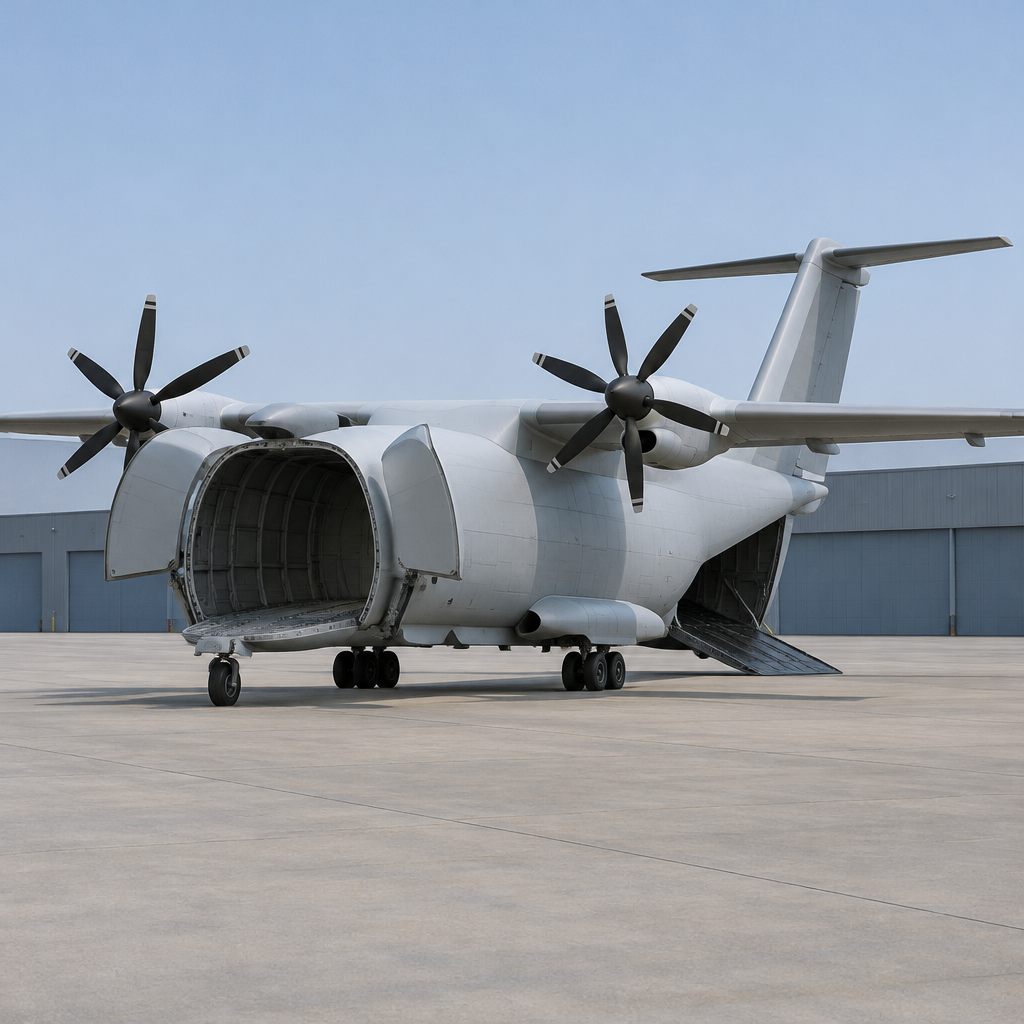
The Pentagon announced that the U.S. Air Force has awarded Boeing $2.8 billion to build the KC-46 Pegasus aircraft in the program’s 13th production lot. The Lot 13 award covers 15 aircraft, with work expected to wrap up by the end of June 2030, according to a Defense Department contract notice published Tuesday. Boeing manufactures the KC-46 at its facilities in Seattle, Wash.
Lot 13 is also the final award under the program’s original fixed-price contract, which began in 2011. That contract track, the notice and company reporting make clear, produced a long-running production line that now reaches a contractual turning point: the Air Force intends to continue the tanker’s run under a separate "extension" program that would begin with Lot 14.
Deliveries to the Air Force, Japan and Israel
Boeing says the Lot 13 award brings the total number of KC-46 refuelers under contract to 203, inclusive of foreign sales. According to the company, Boeing has delivered 116 Pegasus aircraft to the Air Force, six to Japan and two to Israel. The U.S. also cleared a KC-46 sale for Qatar in August, the company said.
The KC-46 is based on Boeing’s 767 commercial jet and is described in the announcement as the U.S. Air Force’s newest air refueler. In addition to in-flight refueling, the Pegasus can move cargo and people similarly to other large mobility aircraft.

Audit-ready is a season. It shouldn't be.
Evidence in spreadsheets, controls drifting between audits, frameworks multiplying on flat headcount. Nubivance runs continuous compliance on Rapid7 Cyber GRC - SOC 2, HIPAA, ISO 27001, PCI, CMMC.
End the scrambleProgram losses, extension plans, and price jumps
The original fixed-price contract that began in 2011 saw developmental challenges and production woes that “have driven billions of dollars in losses for Boeing,” the reporting states. Even so, the Air Force has signaled an intent to continue producing the KC-46 under an "extension" program with the potential to order up to 75 additional aircraft, beginning with Lot 14, according to a previously published Air Force document cited in the report.
Officials have warned that future aircraft under the extension would come with price jumps. Separately, Air Force officials have pledged not to move forward with the extension unless the jet’s lingering top issues — identified as category 1 deficiencies — are resolved.
RVS 2.0 vision upgrade and schedule
A major category 1 deficiency the service wants fixed concerns the KC-46’s vision system, which operators use to guide a refueling boom to receiving aircraft. The Air Force plans a key upgrade: a new remote vision system called RVS 2.0. The service expects to begin fielding RVS 2.0 in early 2028, according to the report.
The timetable for RVS 2.0 and the Air Force’s refusal to sign on to the extension until category 1 deficiencies are addressed link technical fixes directly to production and procurement decisions on the Lot 14 and extension buys.
How Boeing, the Air Force, and allied customers are positioned
- Boeing: The company has secured Lot 13 and emphasized the KC-46’s operational role, while also carrying the financial burden described in the reporting — "billions of dollars in losses" under the original fixed-price contract. Boeing’s immediate task is to complete Lot 13 work by June 2030 and to deliver on the company’s commitments to the Air Force and foreign customers.
- The Air Force: The service is balancing continued procurement against unresolved category 1 deficiencies. It is buying more KC-46s as it evaluates follow-on tanker options and has launched a new round of analysis for refueling plans, with an emphasis on enhancing existing aircraft, according to Aviation Week.
- Allied customers (Japan, Israel, Qatar): Japan and Israel are already recipients of KC-46 deliveries; the U.S. cleared a sale to Qatar in August. Those partners will watch the Air Force’s remediation of category 1 deficiencies and the fielding of RVS 2.0, since those fixes bear directly on operational utility and interoperability.
At the same time, alternative visions for future tanker capability are in circulation. A report by the Hudson Institute recommended buying newly designed air refuelers — specifically a blended-wing body aircraft — to provide greater range and fuel offload. The report’s authors argue that such an aircraft would be better suited for conflict with China, presenting a strategic contrast to buying more KC-46s or extending the Pegasus production line.
The Lot 13 award closes one chapter — the original fixed-price contract — while leaving several decisive questions on the table: will RVS 2.0 and other corrections clear the category 1 deficiencies in time to trigger the extension and up to 75 more aircraft, and how will projected price increases reshape the Air Force’s refueling plans as it weighs redesigned tanker concepts? Those are the milestones to watch as Lot 13 work proceeds toward its June 2030 completion.